Anti-amyloid therapy (Alzheimer's antibody infusion)
Anti-Amyloid Therapy(Alzheimer's antibody infusion)
Lecanemab · Donanemab
Is dementia the end once you have it? … Inside the brain A new drug that reduces amyloid — not the symptom, but Treatment targeting the cause of dementia
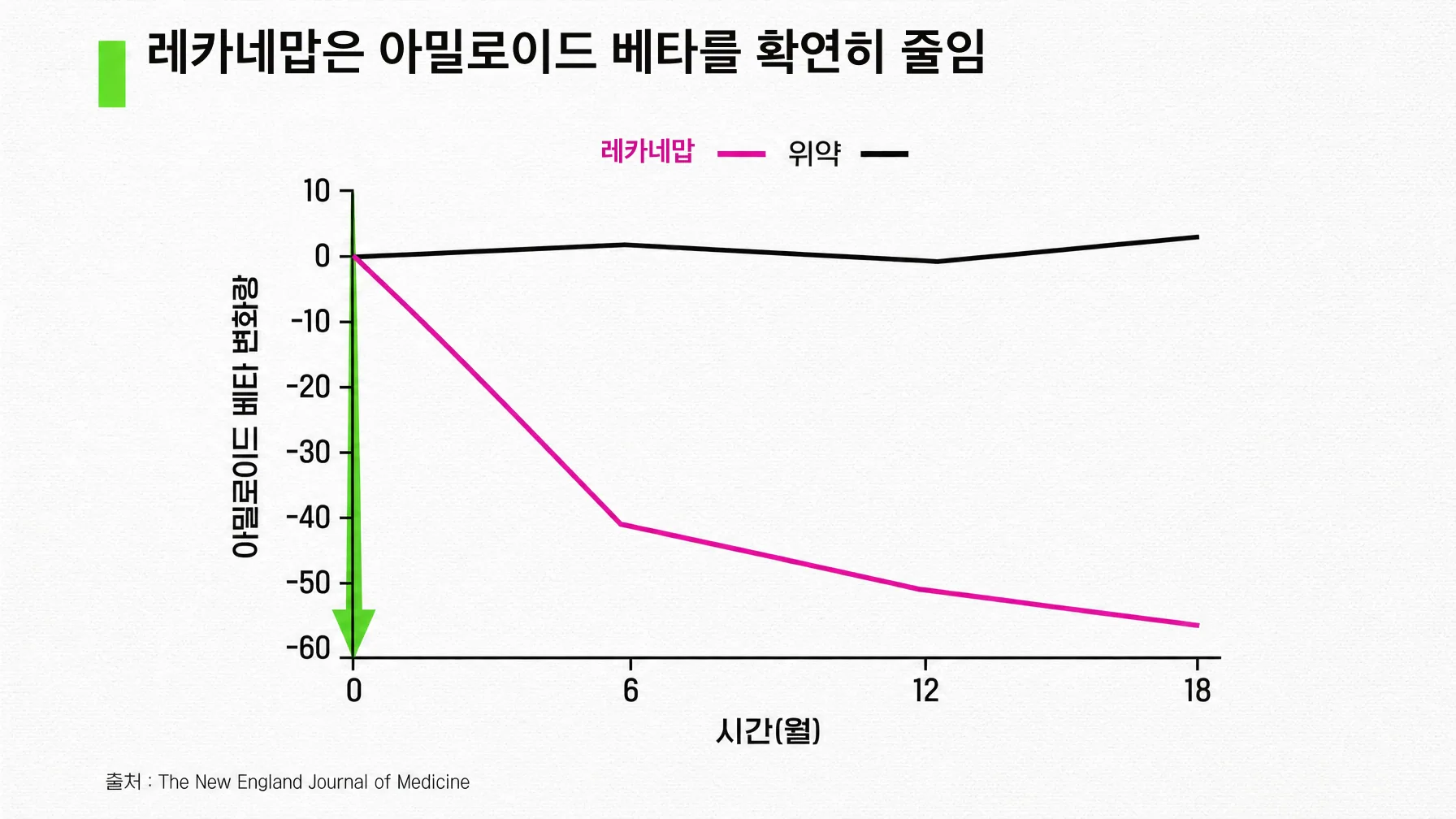
Earlier dementia drugs went no further than easing symptoms by modulating neurotransmitters. Anti-amyloid antibodies target Beta-amyloidbinds directly and clears it from the brain.
Amyloid begins, before dementia symptoms appear, From 10 to 20 years earlier accumulates in the brain. In large studies, among those over 70 with normal cognition, About one thirdwere amyloid positive.
A treatment that preserves the brain function that remains, and The earlier the stage — before nerve damage spreads widely — the greater the treatment effect.
From screening through treatment and follow-up 6 stages
Anti-amyloid therapy is not a treatment that ends with a single infusion. It requires a connected sequence: confirming that antibody therapy is indicated and that amyloid pathology is present, verifying that the patient can start safely, and monitoring closely for abnormalities throughout the course. A complete framework must be in place, with neurologists and specialist testing continuously available so that examinations can be performed promptly and accurately.
- 1Consultation · cognitive assessment
- 2APOE genetic testing
- 3Amyloid PET or cerebrospinal fluid amyloid testing
- 4Anti-amyloid antibody therapy
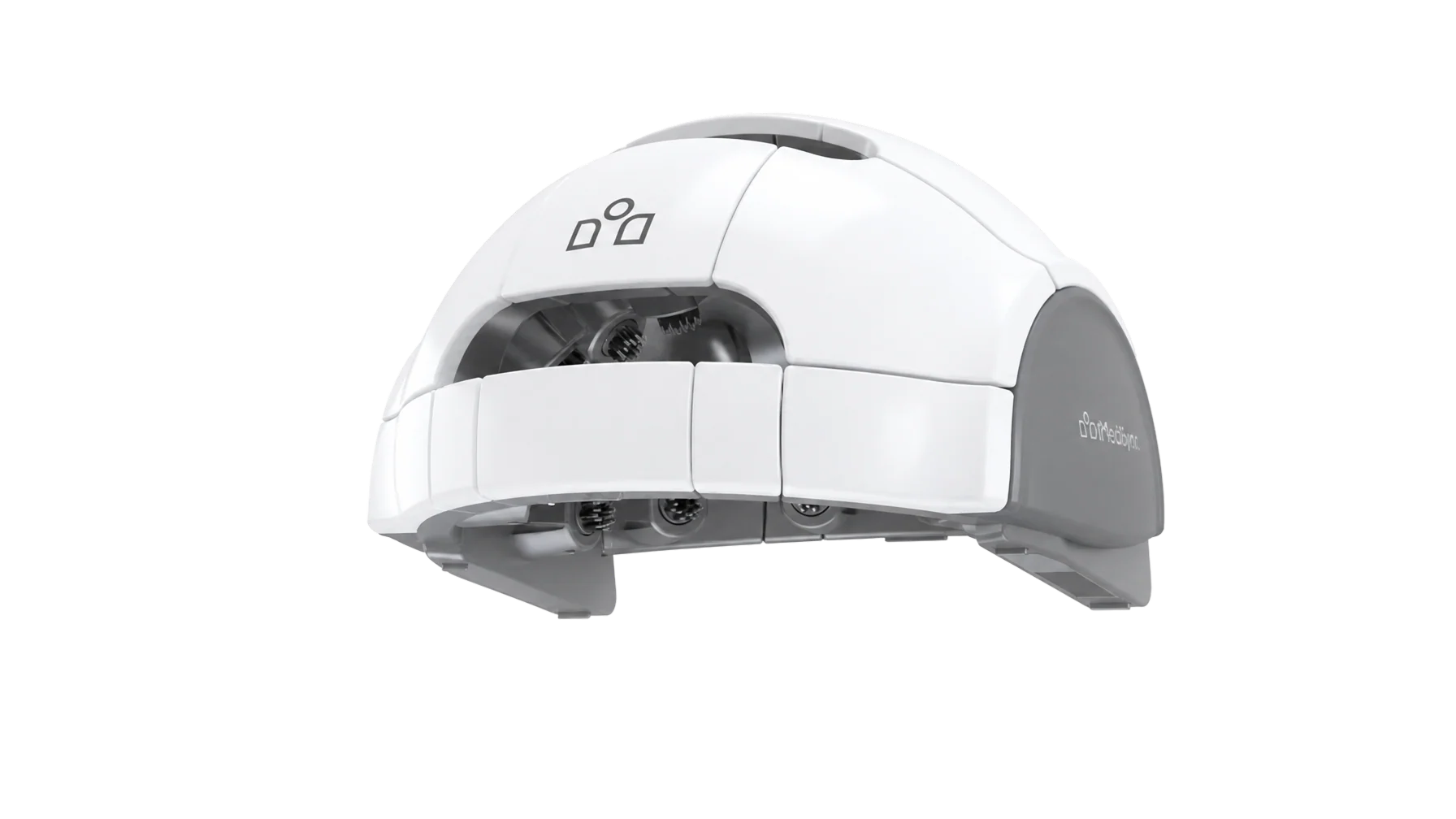
- 5Cognitive training · combined with TMS
- 6Regular monitoring
Evidence for treatment
presented at Clinical Trials on Alzheimer's Disease (CTAD 2025) Results of a 10-year long-term projection. The study drew on the Open-Label Extension (OLE) of Clarity AD, the global phase 3 trial of lecanemab, together with data from 16 clinical studies of monoclonal antibodies in Alzheimer's disease, to estimate ten-year disease progression and the delay achieved by continued lecanemab treatment.
The analysis found that in patients who continued lecanemab, progression from mild cognitive impairment to mild Alzheimer's dementia took 9.7 years, a delay of 2.5 years compared with 7.2 years in the natural history groupwas the result.
The effect was particularly pronounced in the low-amyloid group (amyloid PET <60 centiloids), whose amyloid burden was relatively small at the start of treatment. Progression from mild cognitive impairment to mild Alzheimer's dementia took 13.2 years, a delay of 6.0 years compared with the natural history groupwas the finding.
Time to progress from mild cognitive impairment to moderate Alzheimer's dementia was also longer in the lecanemab group at 13.6 years, 3.5 years more than the natural history group (10.1 years). In the low-amyloid group, 18.4 years, a delay in progression of up to 8.3 yearswas confirmed.
| Natural course | Continued lecanemab treatment | When started at an earlier stage | |
|---|---|---|---|
| Mild cognitive impairment → mild dementia | 7.2 years | 9.7 years (+2.5 years) | 13.2 years (+6.0 years) |
| Mild cognitive impairment → moderate dementia | 10.1 years | 13.6 years (+3.5 years) | 18.4 years (+8.3 years) |
※ "Started at an earlier stage" refers to the group with relatively low amyloid accumulation at treatment initiation (amyloid PET <60 centiloids) · Source: presented at CTAD 2025
Currently in use Two things Antibody therapy
Both agents target beta-amyloid, but they differ in the form they bind to and in dosing interval. Lecanemabbinds mainly to protofibrils, the intermediate stage of aggregation, and Every 2 weeks, Donanemabbinds to plaque that has already hardened, and Every 4 weeksby intravenous infusion.
Which agent is appropriate is decided by considering cognitive stage, degree of amyloid accumulation, APOE genotype, and MRI findings together. Both agents are used only in early Alzheimer's disease.
confirmed before starting, and After treatment We check again
Source : EBS Health "Myeongui" (4 Feb 2026)
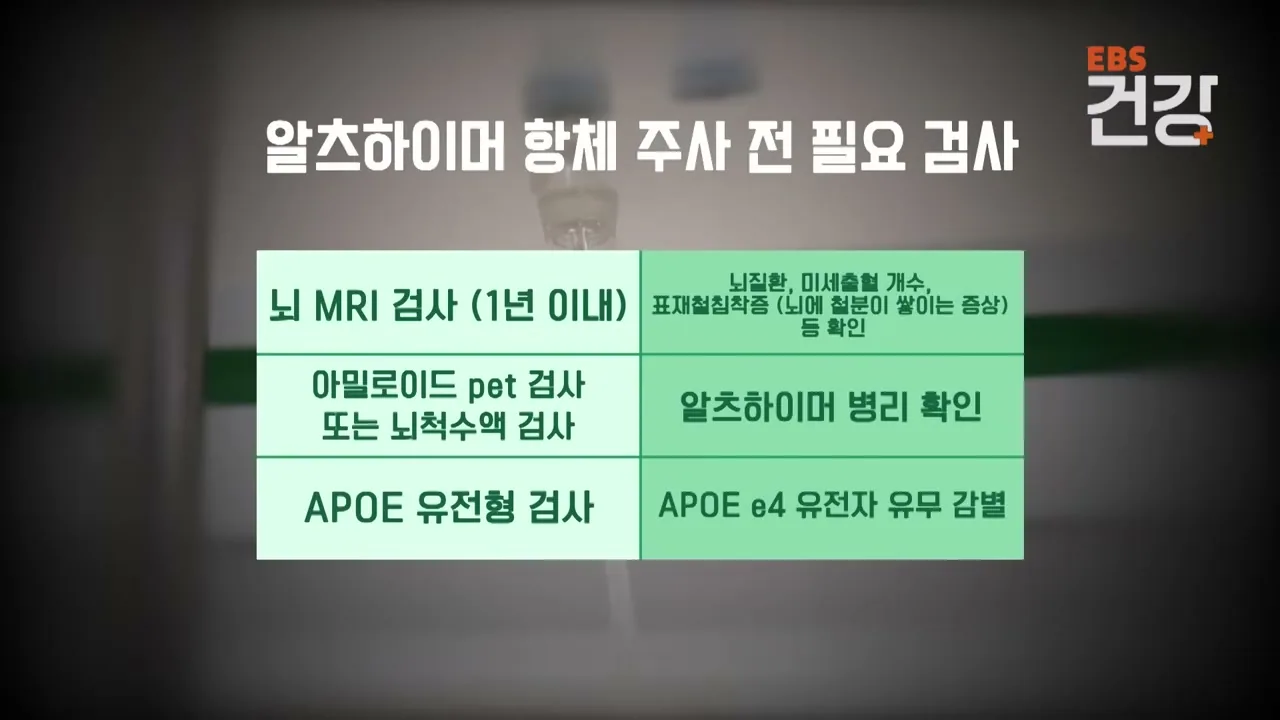
Anti-amyloid therapy is a treatment whose beginning and end are both confirmed by testing. Three things must be checked before starting — Brain MRI within the past yearconfirms microhemorrhage and superficial siderosis, and Amyloid PET or cerebrospinal fluid testingdetermines whether Alzheimer's pathology is genuinely present, and APOE genotype testing, stratifying adverse event risk in advance. If even one of these is unconfirmed, treatment is not begun.
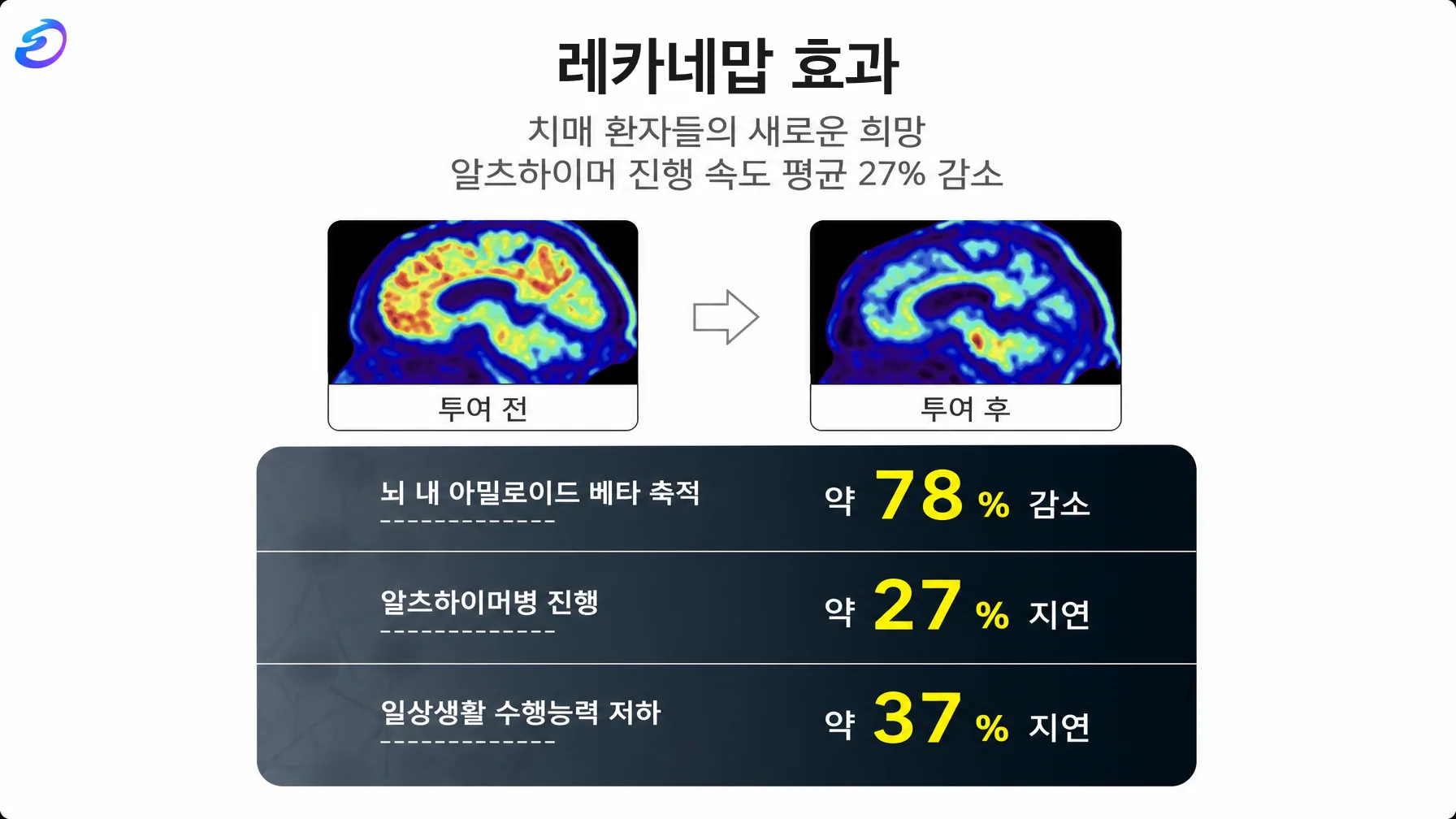
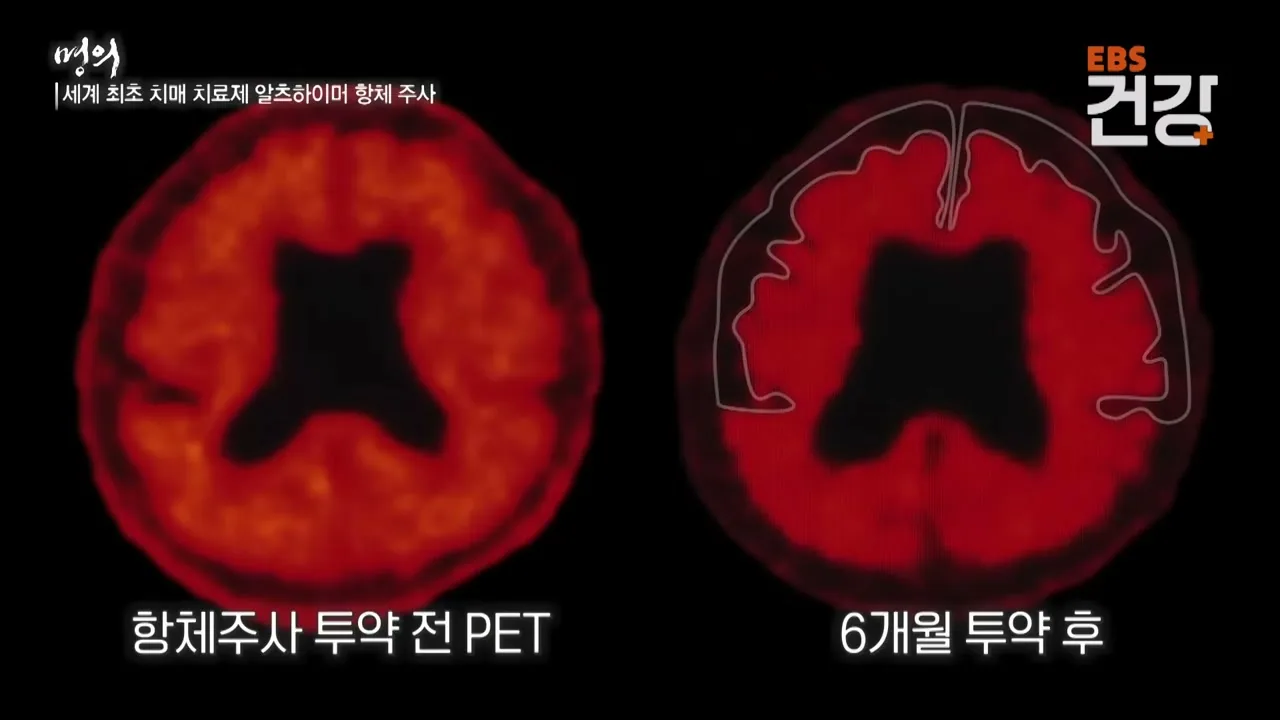
The amyloid that appeared spread in red on the image above markedly faded after six months of treatmentcan be seen. This change Centiloid value. Quantifying it this way allows the degree of reduction to be compared against a consistent standard, and provides a practical basis for deciding how long to continue treatment.
Changes in amyloid and tau protein in cerebrospinal fluid can be identified, and We check again after treatment.
Minimized side effects
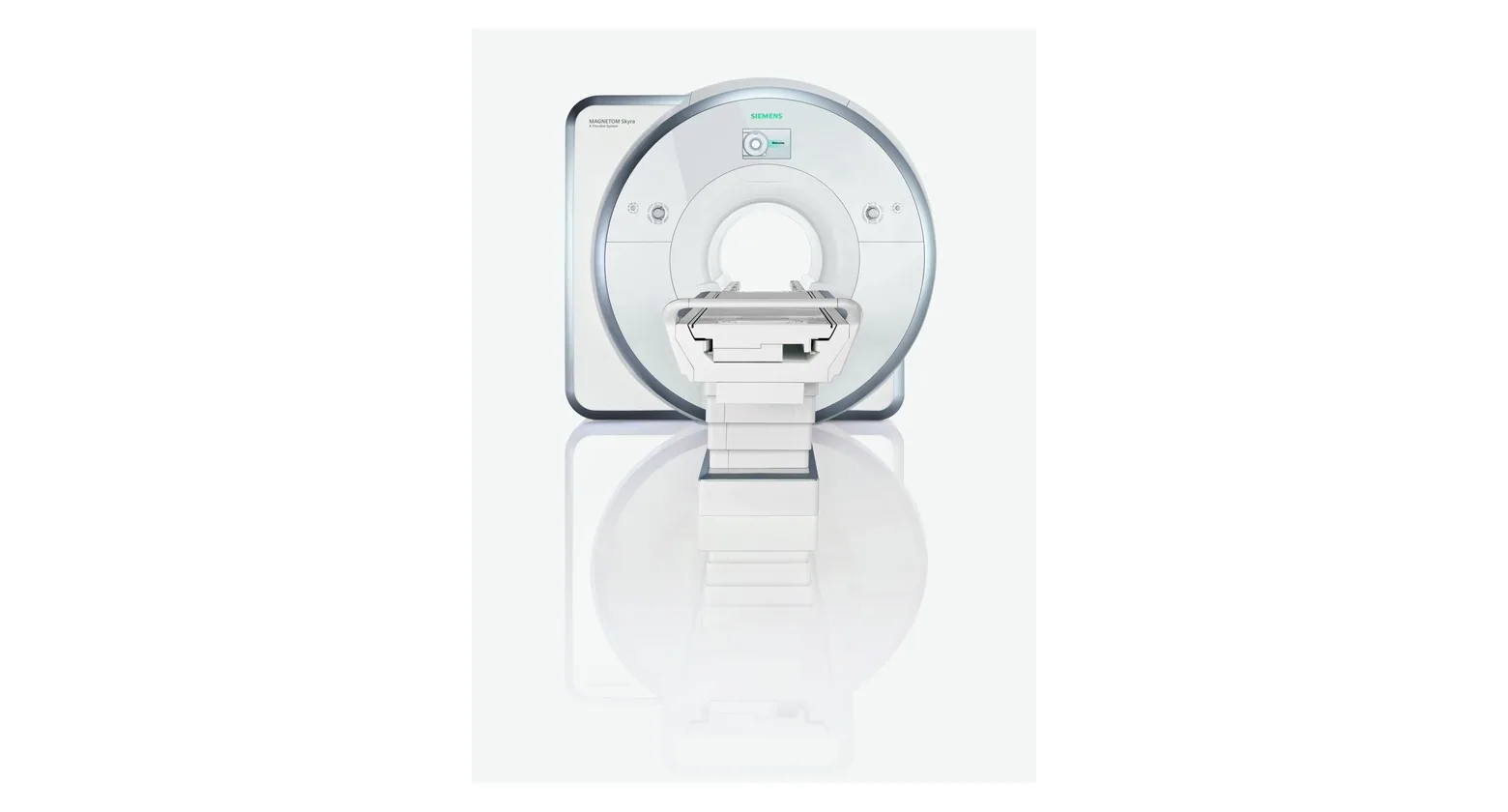
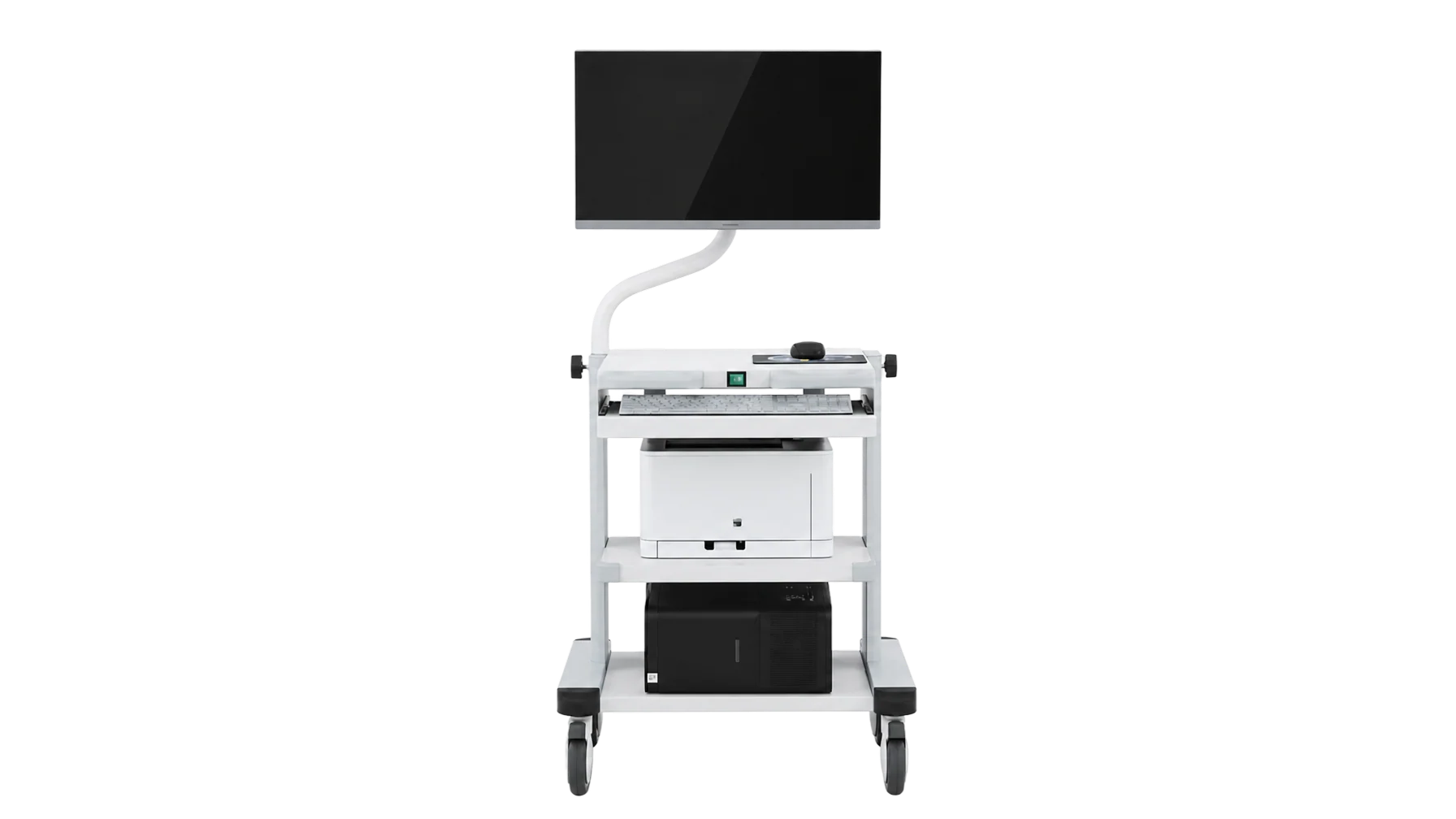
Before treatment, brain MRI confirms pre-existing microhemorrhage and cerebrovascular status; regular MRI is also required during the course of treatment. Safety is not secured by a particular MRI scanner alone. What matters is proper acquisition and interpretation, together with a systematic framework for withholding or discontinuing treatment when an abnormality is found.
Patients carrying the APOE ε4 gene may face a relatively higher risk of ARIA. Anticoagulant use, pre-existing cerebral microhemorrhage, and a history of cerebrovascular disease must also be checked before treatment.
Summary Q&A
Q1.What are lecanemab and donanemab, the latest dementia therapies, and how are they administered?
Lecanemab and donanemab are antibody therapies that directly clear beta-amyloid, the causative protein in Alzheimer's disease. They have demonstrated efficacy in slowing disease progression in early Alzheimer's (mild cognitive impairment to mild dementia), and are administered by regular intravenous infusion after eligibility is assessed through detailed testing.
Duration & frequency — approximately one hour per intravenous infusion, plus post-infusion observation. Depending on the agent, dosing is every two weeks (lecanemab) or every four weeks (donanemab).
Q2.I'm forgetful — can I get the dementia prevention injection right away?
Forgetfulness or a low cognitive test score alone does not qualify a patient for lecanemab. Depression, sleep disorders, thyroid dysfunction, vitamin deficiency, medication side effects, and cerebrovascular disease can all cause memory decline, so the cause must be identified first. Neurological examination, neuropsychological testing, blood work, and brain MRI establish the degree of cognitive decline and whether another brain disorder is present; only when other causes are excluded is Alzheimer's pathology confirmed by cerebrospinal fluid analysis or amyloid PET.
Q3.How does it differ from existing dementia drugs?

Source : EBS Health "Myeongui" (4 Feb 2026)
Where earlier dementia drugs only eased symptoms by modulating neurotransmitters, anti-amyloid antibodies bind directly to beta-amyloid — the causative substance in Alzheimer's disease — and clear it from the brain. Once the antibody attaches to a plaque, the brain's own immune cells (microglia) recognize it as a target and remove it together. Because it acts on the cause, the goal is not symptom relief but slowing the progression of the disease itself, and the effect is greatest in the early stage, when amyloid has accumulated but neuronal damage is not yet widespread.
Treatment that acts on the cause · Rigorous pre-treatment screening · Systematic management of adverse events · Combination treatment strategy
Recommended for — those diagnosed with mild cognitive impairment or early Alzheimer's disease · those positive on amyloid PET or CSF testing · those cleared by APOE genotyping and MRI safety assessment
Q4.What side effects are there?
The adverse effect requiring the closest watch is ARIA — Amyloid-Related Imaging Abnormalities. It may appear as edema or effusion around the cerebral vessels, as microhemorrhage, or as superficial siderosis. In the trials most cases were silent and visible only on imaging, but some patients experienced headache, confusion, dizziness, visual changes, gait disturbance, or seizures.
Lecanemab is not a general dementia medication that can be prescribed to anyone. Early-stage Alzheimer's status, amyloid accumulation, bleeding risk, and current medications must all be assessed together. If someone repeatedly asks about recent events, or makes more mistakes on familiar routes and routine tasks, it is best not to dismiss it as aging. Early diagnosis — identifying the cause before neuronal damage advances — is what widens the range of treatment options.
ARIA, knowing in advance allows it to be managed
ARIA (Amyloid-related Imaging Abnormalities) refers to transient cerebral edema (ARIA-E) or microhemorrhage (ARIA-H) arising as the antibody clears amyloid. Most cases pass without symptoms and are seen only on MRI, but The frequency is markedly higher in those carrying APOE ε4. This is why genotype is confirmed before treatment. The frequencies below are from the phase 3 trial (CLARITY AD), in which lecanemab was administered to 1,795 participants.
| ε4 non-carrier | 1 ε4 allele | 2 ε4 alleles | |
|---|---|---|---|
| ARIA overall | 13% | 19% | 45% |
| Symptomatic cerebral edema (ARIA-E) | 1% | 2% | 9% |
| Microhemorrhage (ARIA-H) | 11.9% | 14% | 39% |
During treatment, therefore, MRI is performed at set intervals to detect ARIA early, and dose and schedule are adjusted if needed. Most cases resolve simply by pausing the infusion.
※ This is general medical information provided for understanding only. Whether and how to treat is determined by a specialist after examination, based on the individual patient's condition.