Stroke
Once a stroke has occurred, it is already too late.
Early screening and prevention are what matter
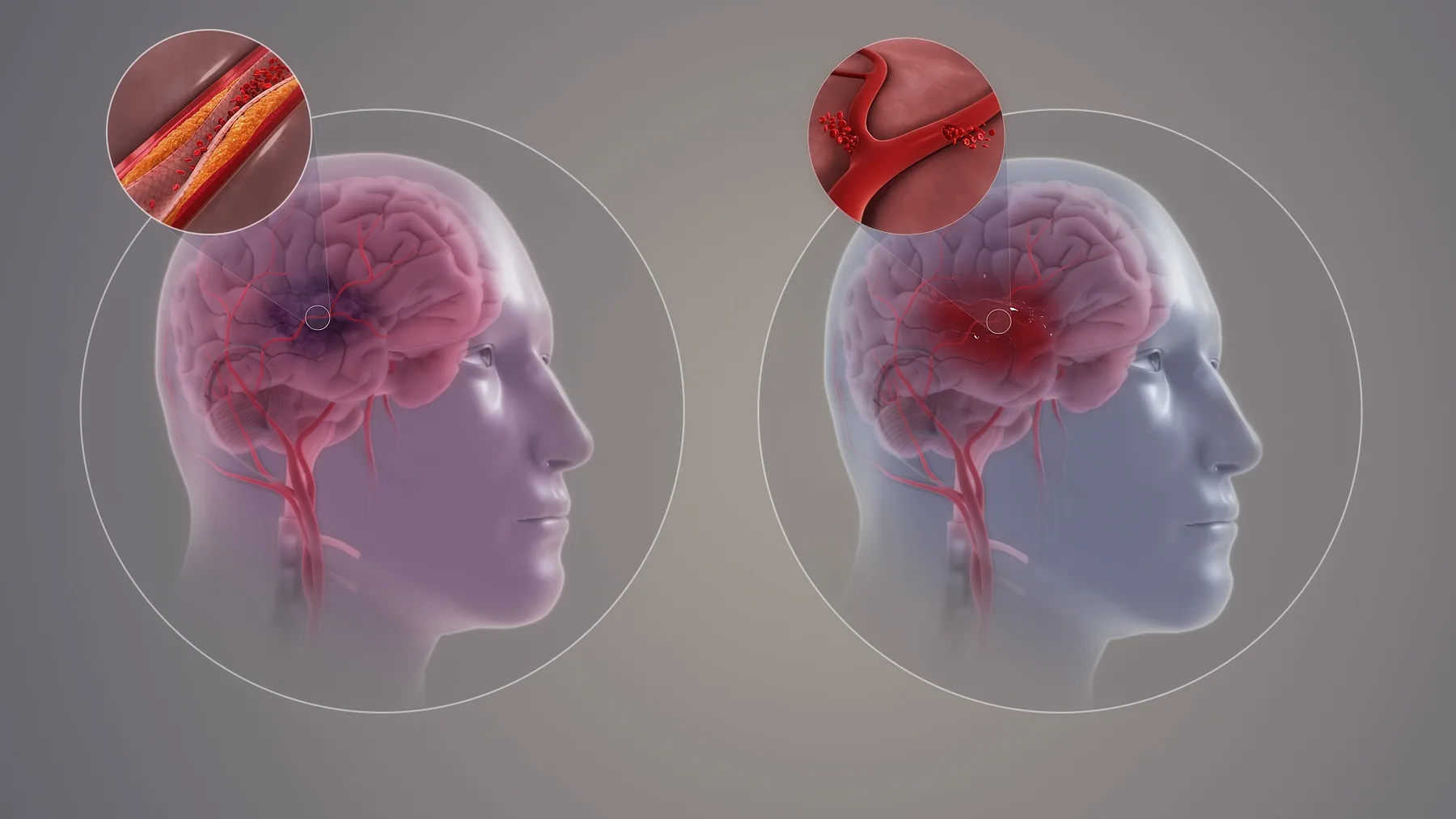
Source : Types of Stroke · scientificanimations.com · CC BY-SA 4.0 (Wikimedia Commons)
Stroke usually occurs in older age, but these days it is not uncommon in people in their thirties and forties.
Stroke is divided into cerebral infarction, caused by blockage of a vessel in the brain or neck, and cerebral hemorrhage, caused by a vessel rupturing. The most common cause of infarction is arterial narrowing from atherosclerosis; for hemorrhage it is cerebral aneurysm.
Cerebral atherosclerosis can be prevented by controlling risk factors such as hypertension, diabetes, dyslipidemia, obesity, and smoking. Cerebral aneurysm, however, can occur without any particular risk factor. As the most common cause of brain hemorrhage (subarachnoid hemorrhage) in younger people, there is no way to prevent it other than early screening.
Symptoms suggesting a stroke
| 말 | Speech is slurred |
|---|---|
| Strength and sensation | Weakness or reduced sensation in the arm and leg on one side of the body |
| Dizziness and gait | Sudden dizziness makes walking difficult |
| Visual field and diplopia | Vision in one eye becomes blurred, or objects appear double (diplopia) |
| Thunderclap headache | Thunderclap headache, like being struck with a hammer |
| Early-morning headache | Severe headache during sleep or on waking |
| Concentration and memory | Sudden, unexplained decline in concentration and memory |
| Blackout | Unexplained blackout (syncope) |
If any of the following symptoms appear suddenly, stroke is highly likely.
Rules for preventing cerebrovascular disease
| Assessed numerically | Judge your health by blood pressure, blood glucose, and blood test values — not by how you happen to feel |
|---|---|
| Regular testing | Regular testing of blood pressure, blood glucose, and lipids (particularly LDL) |
| Immediate treatment | Begin treatment immediately if hypertension, diabetes, or dyslipidemia develops |
| Absolutely no smoking | Smoking is the single most powerful cause of cerebrovascular damage |
| Moderate drinking | Moderate your drinking |
| Exercise | Combined with appropriate walking and strength exercise |
| Sleep and stress | Managing adequate sleep and controlling stress |
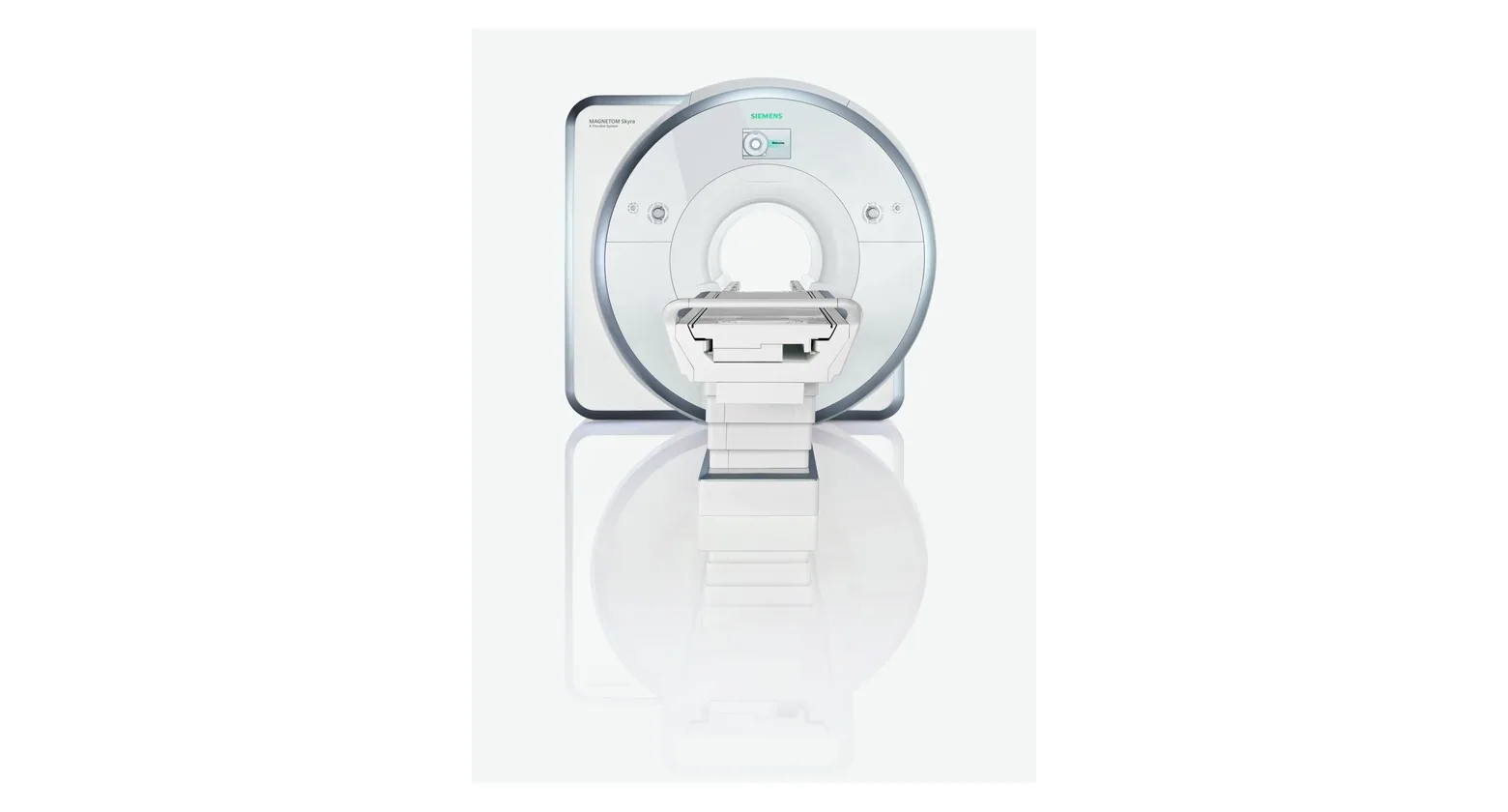
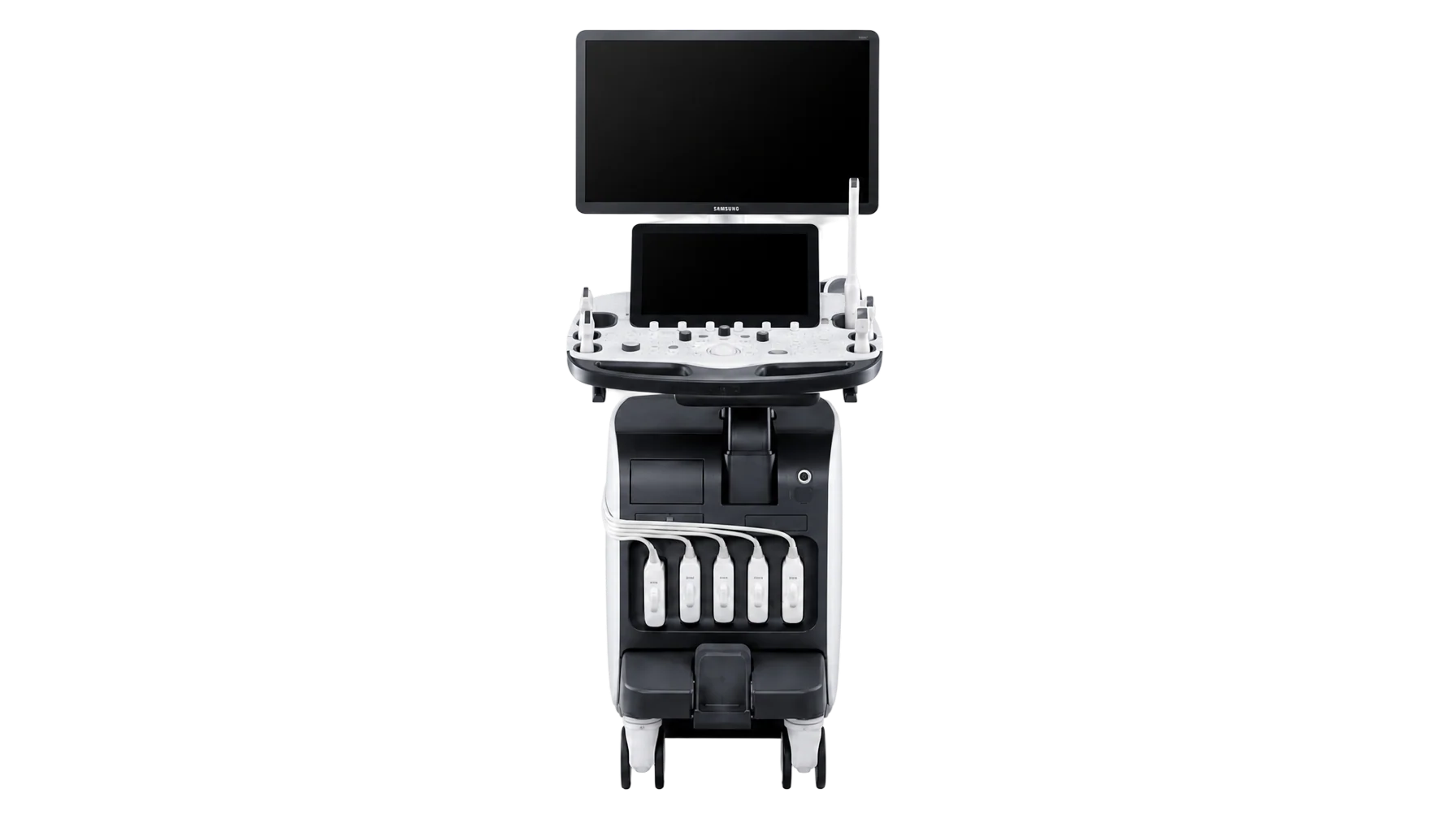
| Early screening | Even with normal values, carotid ultrasound is recommended from the forties and cerebrovascular MRA from the fifties |
There are two things you can do to prevent a stroke
Explained by the Centum Neurology team, who directed cerebrovascular centers at general and university hospitals for many years.
1) Eliminate the habits that lead to atherosclerosis, and
2) from your forties onward, undergo early screening even without any symptoms — this is what we recommend.
※ This is general medical information provided for understanding only. Actual diagnosis and treatment are determined by a specialist after examination, based on the individual patient's condition.