Cervical and Lumbar Disc Disease
Cervical and Lumbar Disc Disease
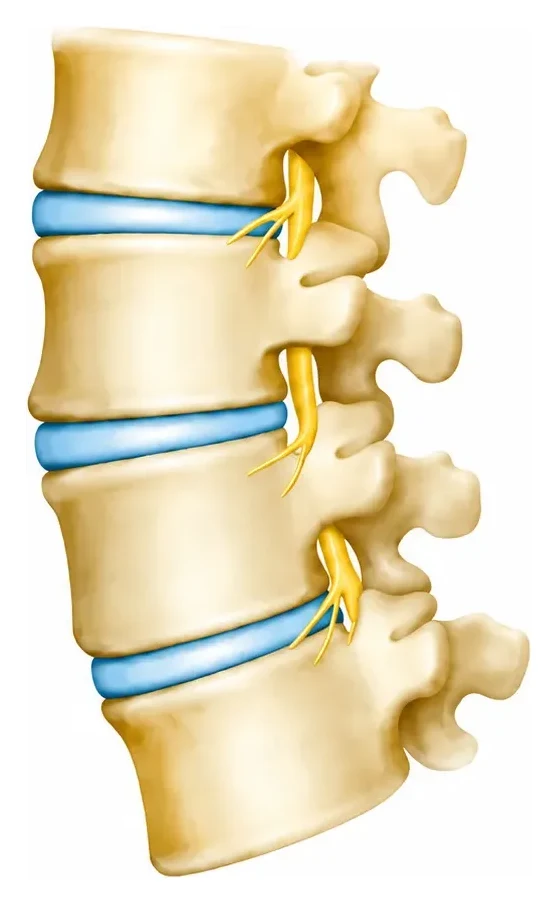
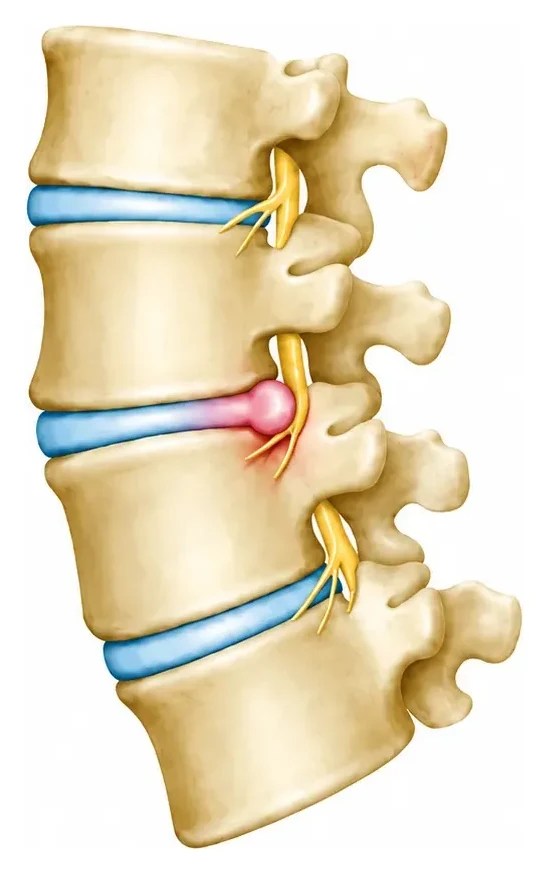
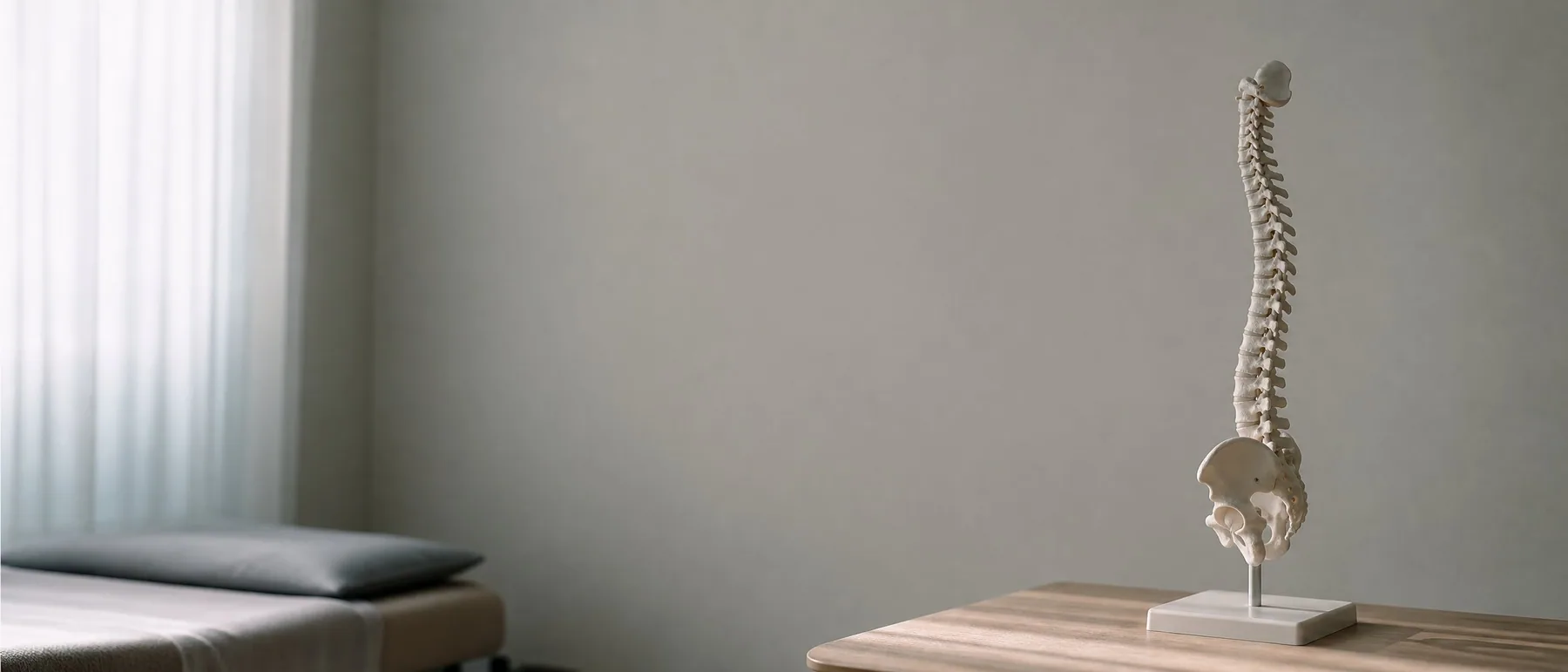
A disc consists of a soft nucleus pulposus surrounded by a tough, elastic annulus fibrosus. Poor posture, injury, or degenerative change can cause the annulus to tear, allowing the inner nucleus to protrude and compress a nerve or provoke severe surrounding inflammation. This can produce a range of symptoms caused by disc damage.
In severe cases this may be accompanied by neurological emergencies such as difficulty walking or bladder and bowel dysfunction, so prompt diagnosis and treatment may be necessary.
Check the main symptoms of cervical disc disease
| Persistent Pain | Persistent pain at the back of the neck or between the shoulder blades |
|---|---|
| Radiating Pain · Numbness | Pain radiating into the arm or hand when moving the neck or shoulder, with numbness or altered sensation |
| Worse with Movement | Pain that worsens with neck movement, or a feeling of stiffness |
| Hand Weakness | Weakening grip, with difficulty holding objects or performing fine tasks |
| With Headache · Dizziness | Neck pain accompanied by headache, dizziness, or reduced balance |
Check the main symptoms of lumbar disc disease
| Persistent Pain | Persistent low back or buttock pain that worsens with movement or change of posture |
|---|---|
| Radiating Pain | Pain radiating from the low back into the buttock and leg |
| Numbness · Altered Sensation | Numbness, tingling, or reduced sensation in the leg or foot, usually on one side |
| Leg Weakness | Leg weakness, with difficulty walking or lifting the ankle |
| Worse with Posture · Walking | Pain that worsens with prolonged sitting or bending forward, and difficulty standing or walking for long periods |
In disc disease, surgery is rarely necessary
Except when limb weakness is severe enough to prevent normal daily activity or walking, or when spinal cord compression is severe enough to impair bladder or bowel function, most cases can be treated without surgery.
From diagnosis to treatment — here is how it works
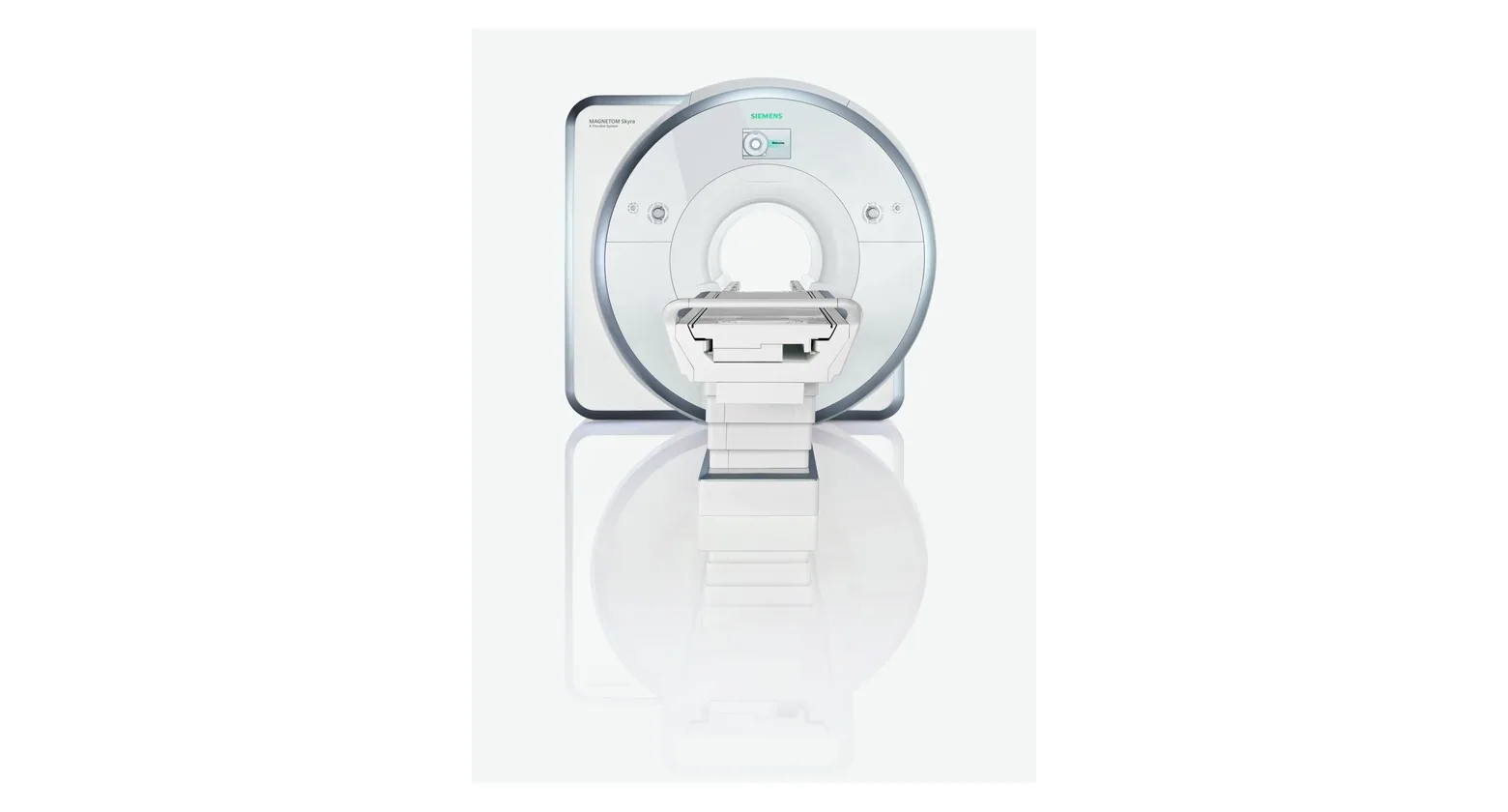
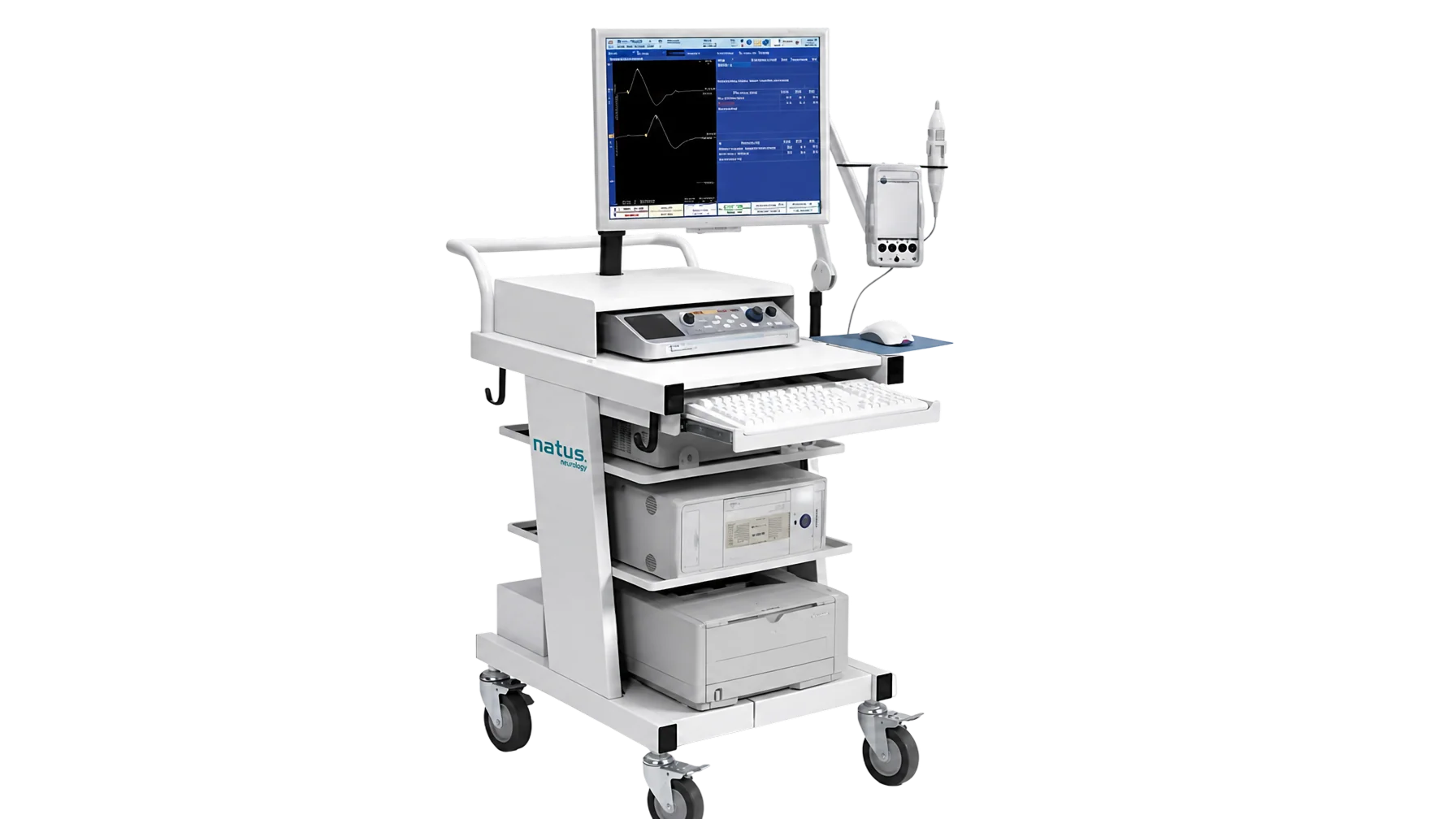
High-resolution cervical or lumbar MRI identifies which disc level is damaged and shows the underlying spinal structure. Nerve conduction and EMG studies pinpoint exactly which nerve is compressed, and with that information most patients can expect improvement with non-surgical treatment.
At our clinic we select only what is needed from epidural nerve block, selective nerve root injection, intradiscal anti-inflammatory treatment, medication, and physical therapy and proceed step by step.
History & Physical Examination
In most cases, history-taking together with physical examination is sufficient.
MRI if needed
MRI is added when symptoms are severe or a precise diagnosis is required.
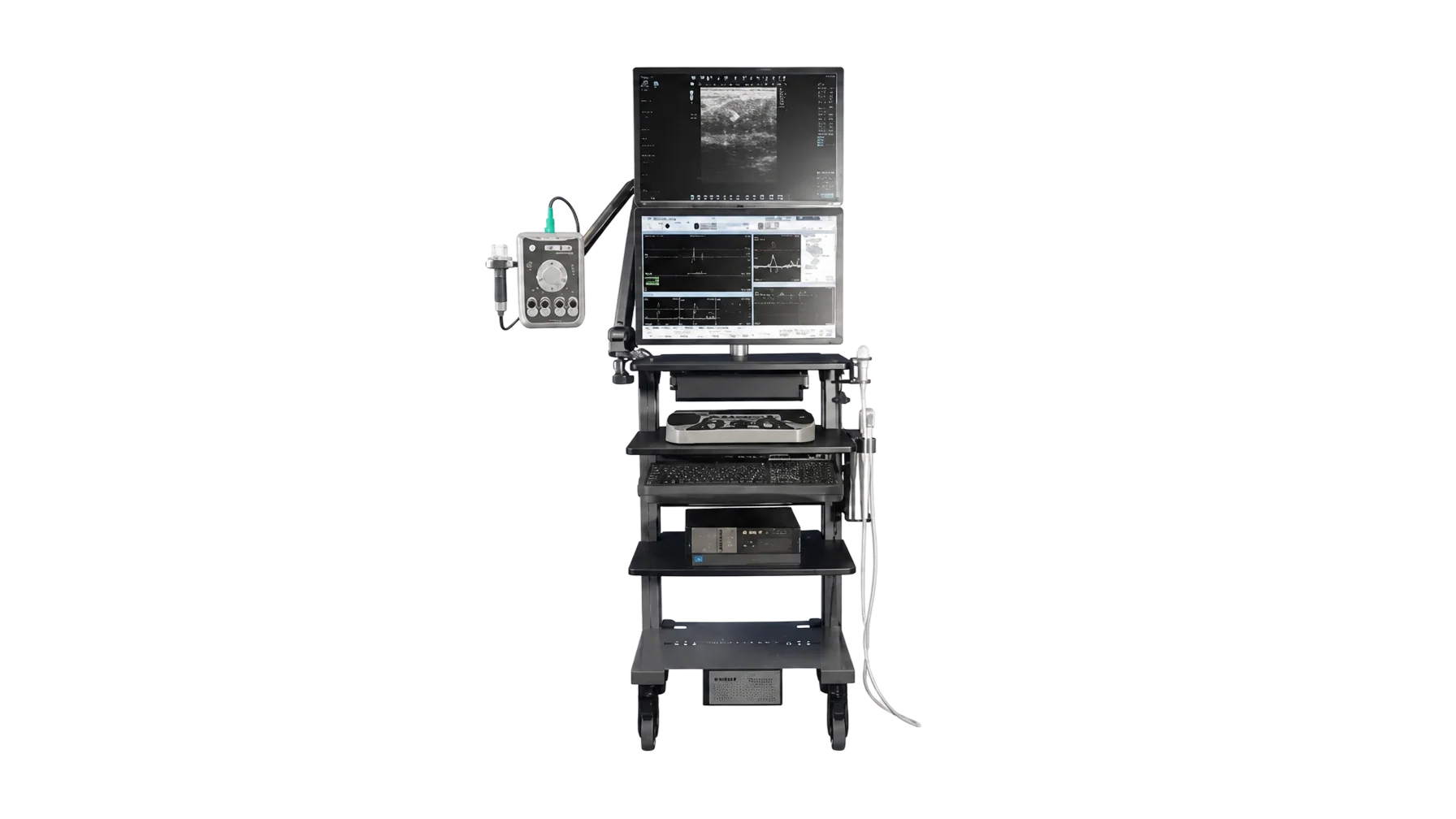
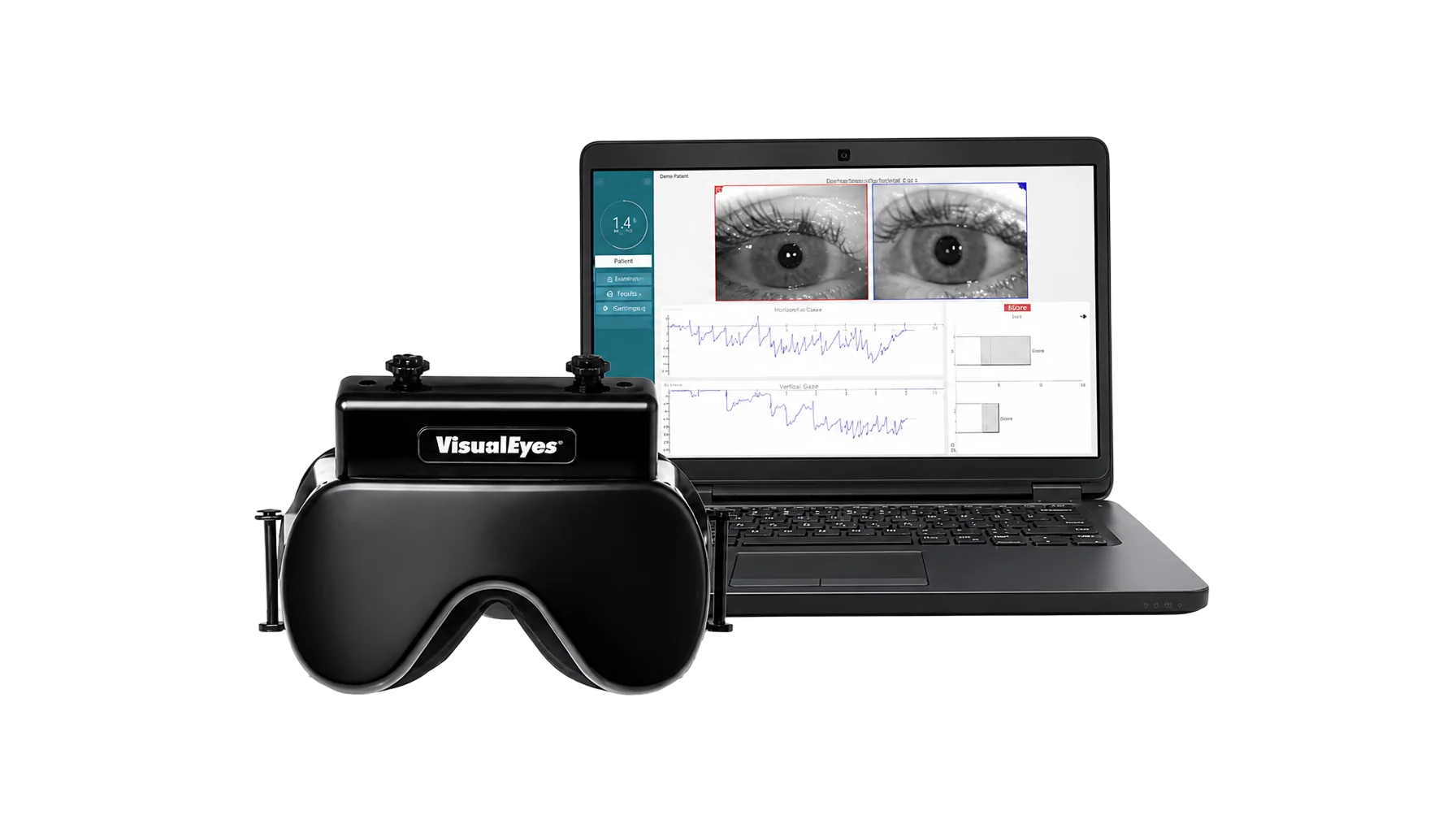
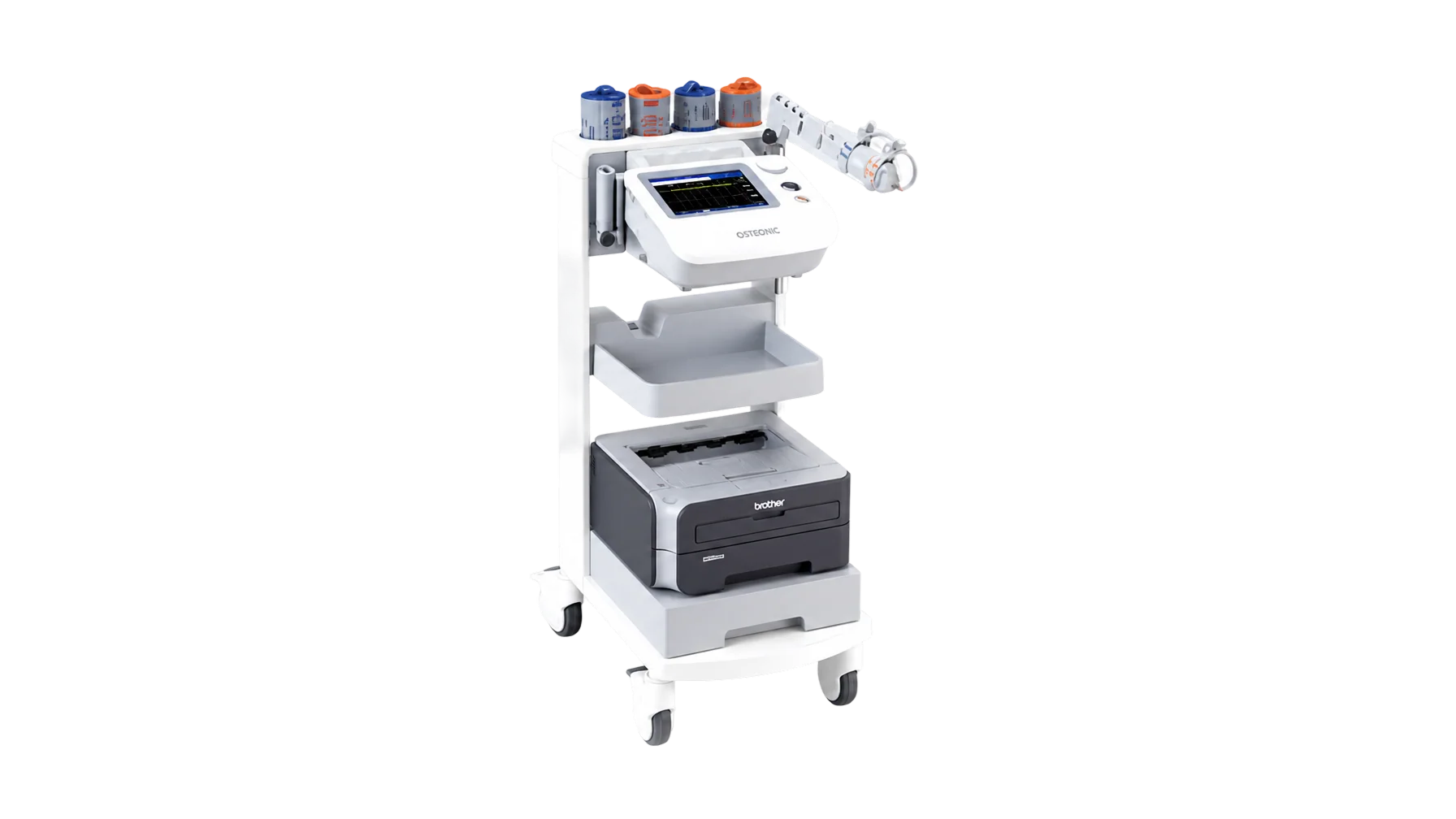
Nerve Conduction & EMG
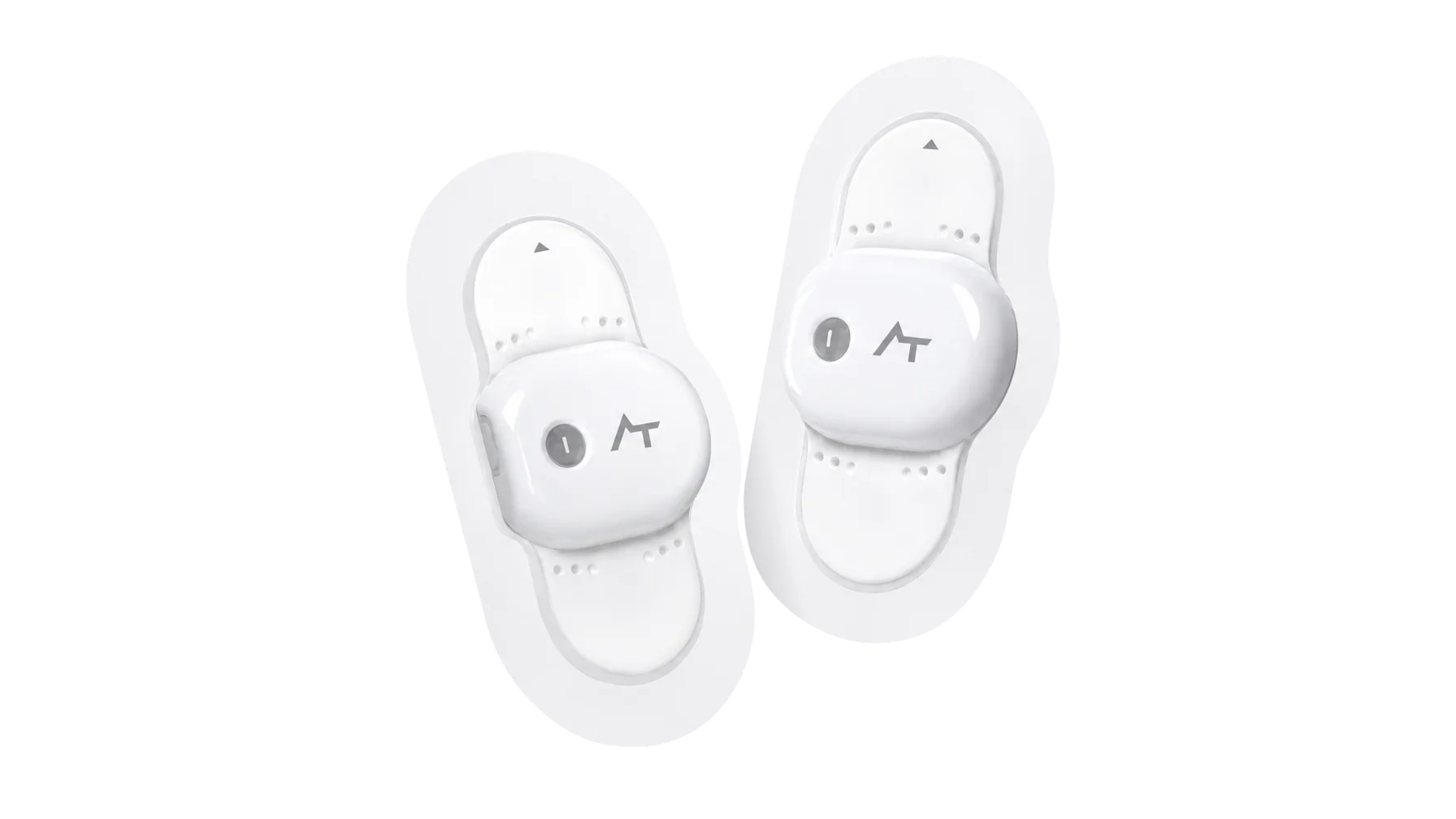
May be needed to rule out other conditions or to determine the exact level and severity of nerve root compression.
Medication & Rehabilitation Therapy
Nerve Block · Anti-inflammatory Treatment
When pain is severe enough to hinder rehabilitation and recovery, nerve block and peri-discal anti-inflammatory treatment may be considered.
※ This is general medical information provided for understanding only. Actual diagnosis and treatment are determined by a specialist after examination, based on the individual patient's condition.