Secondary Headache
Secondary headache — what kind of headache is it?

Source : Wikimedia Commons (CC BY 2.0)
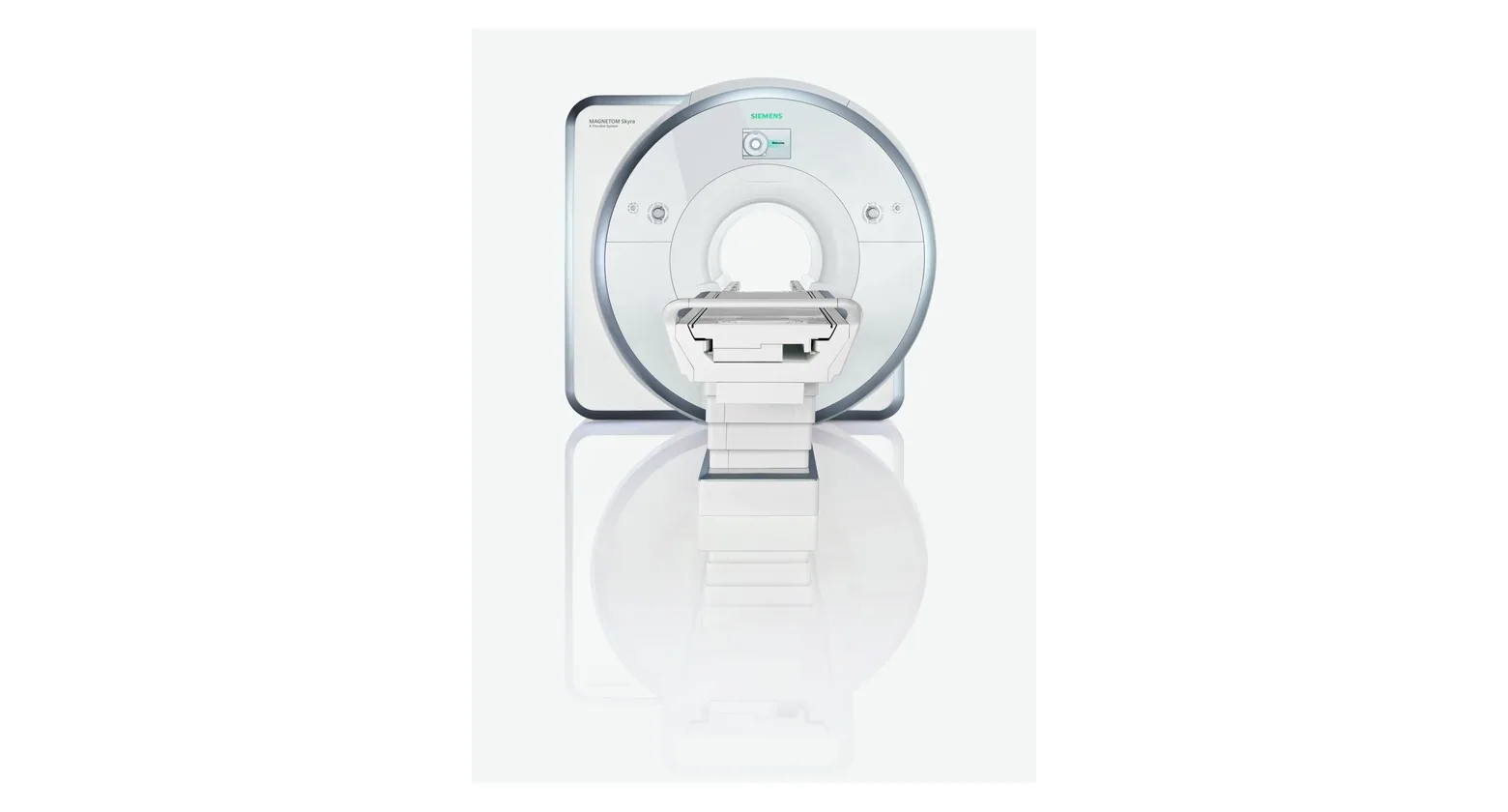
The headache symptoms below suggest secondary headache with a structural abnormality of the brain or its vessels — particularly when a dangerous vascular headache is possible. Prompt brain MRI or MRA is required, and depending on the case, blood tests or cerebrospinal fluid analysis may also be needed.
These headaches require prompt investigation
A previously healthy person reports sudden, excruciating headache
Known as thunderclap headache, it is also a common sign of intracranial hemorrhage.
A severe headache unlike your usual pattern, or newly developed
If the pattern differs markedly from your usual chronic headache, take note.
Moderate or severe headache first occurring after age 50 and lasting several days
Even if mild, a headache you have not had before warrants attention.
Headache accompanied by limb paralysis or reduced sensation, slurred speech, visual field loss, double vision, dizziness, or imbalance
This indicates accompanying brain tissue damage and requires immediate examination and treatment.
Headache with high fever and neck stiffness
It may be a headache caused by meningitis or encephalitis.
Severe headache following trauma
Even minor trauma carries a risk of delayed intracranial hemorrhage, so examination is needed.
Headache first occurring with cancer or in an immunocompromised state
There is a possibility of dangerous headache from brain infection, brain metastasis, or leptomeningeal invasion by a malignancy.
Headache first occurring during pregnancy or after delivery
Obstetric emergencies may be hidden behind it — cerebral venous thrombosis, PRES (posterior reversible encephalopathy syndrome), preeclampsia, and eclampsia.
Headache with a sharp rise in blood pressure or uncontrolled hypertension
It may have arisen from hypertensive encephalopathy or an underlying cerebrovascular condition.
Headache that worsens with change of position
This is a headache related to intracranial pressure; if the pain occurs on standing, the brain or spinal cord must be evaluated.
Headache accompanied by reduced vision, blurred vision, or eye pain
Rather than a brain problem, this may involve the optic nerve or intraocular pressure — optic neuritis or an attack of glaucoma.
Headache occurring together with neck, facial, or jaw pain
There is a possibility of arterial dissection, trigeminal neuralgia, or another facial neuralgia.
Headache accompanied by systemic symptoms (weight loss, low energy, reduced appetite)
It may be a headache related to systemic vasculitis such as temporal arteritis, to a wasting condition, or to malignancy.
Headache unresponsive to existing headache treatment
There are not infrequently structural or vascular lesions of the brain that examination and physical assessment alone cannot detect.
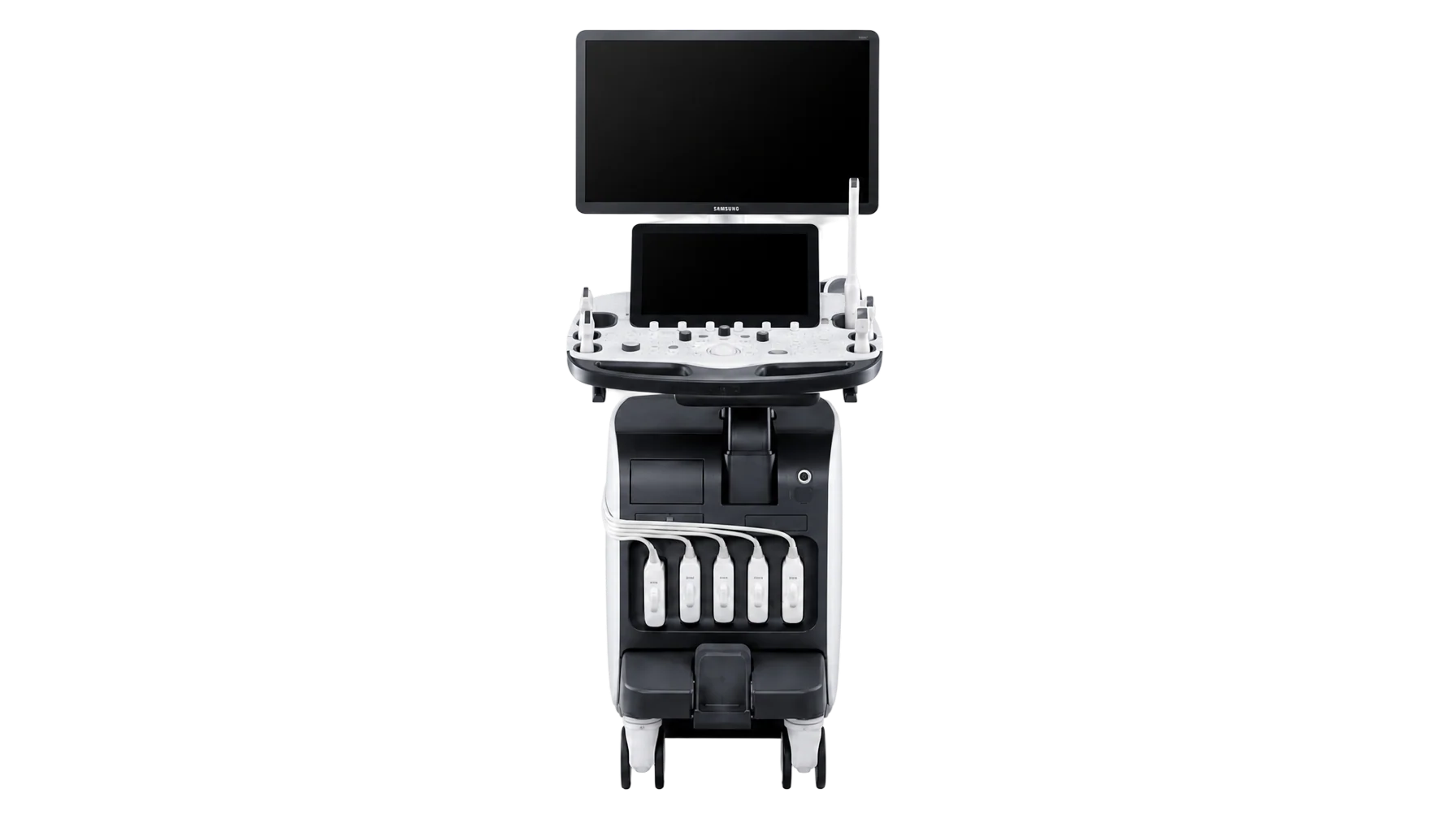
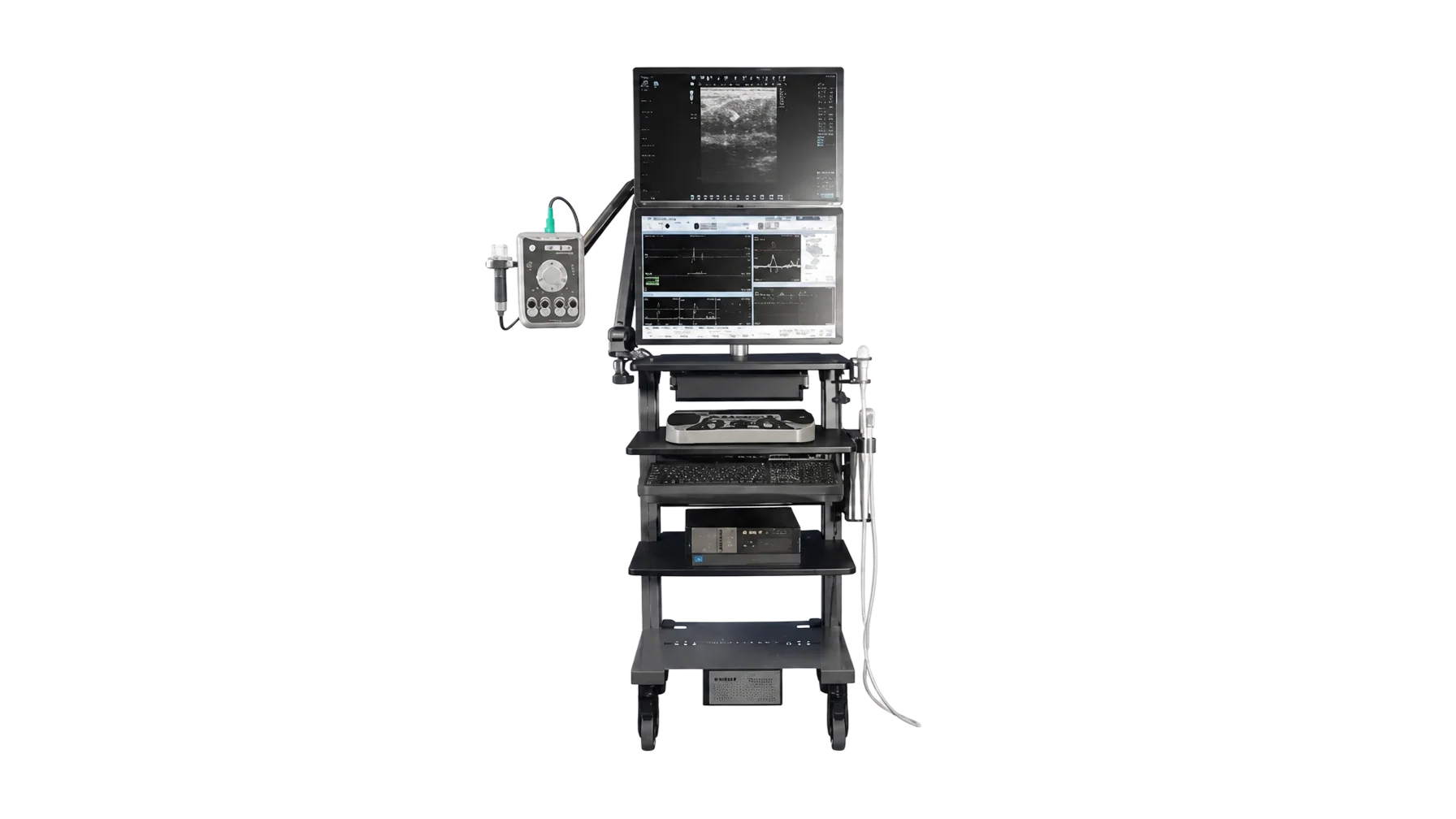
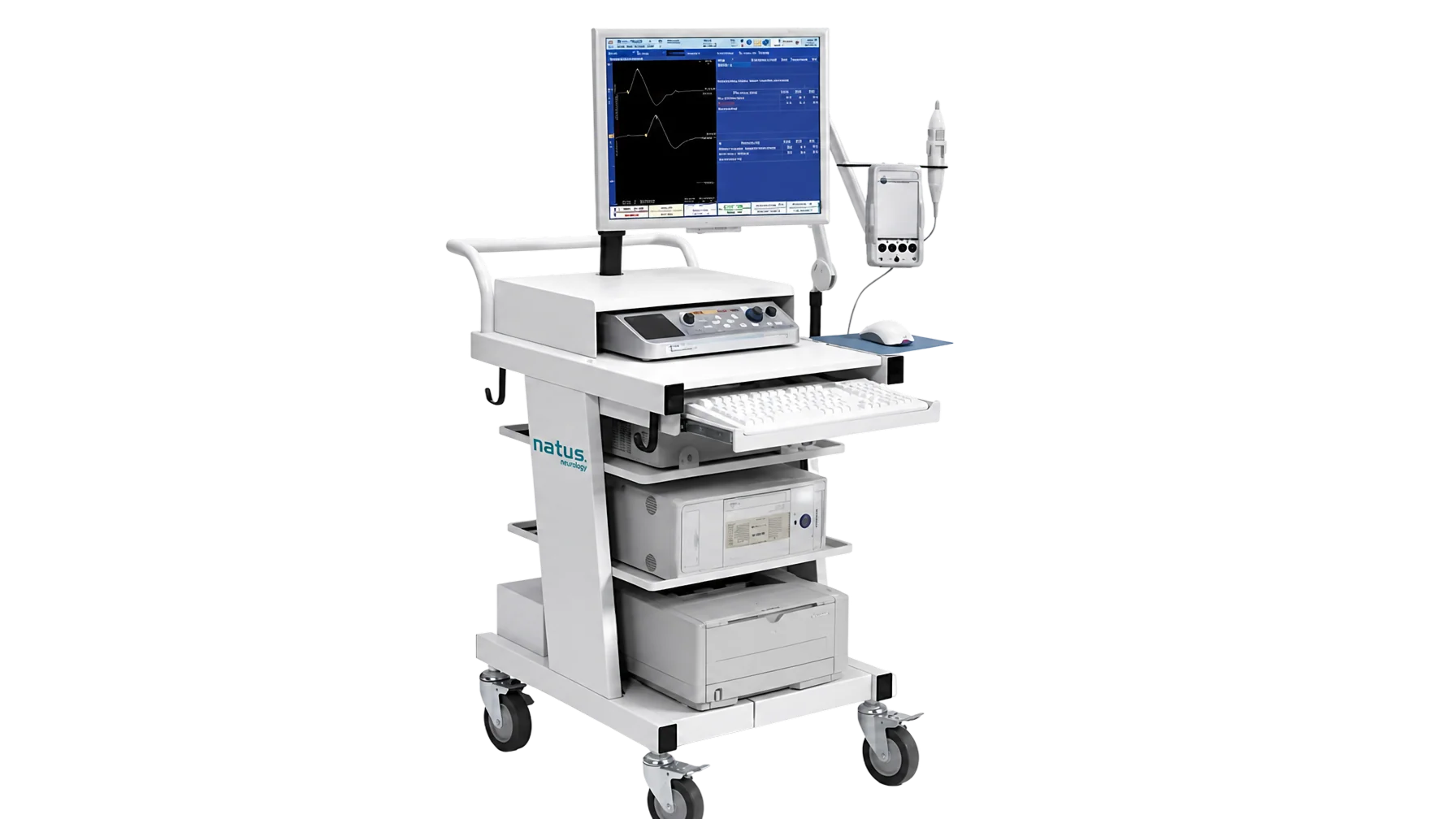
Centum Neurology has all the equipment and clinical staff needed to evaluate secondary headache. We examine promptly on the same day and provide an accurate diagnosis. If the findings indicate that treatment at a tertiary hospital is needed, we arrange prompt transfer to an affiliated tertiary center.
※ This is general medical information provided for understanding only. Actual diagnosis and treatment are determined by a specialist after examination, based on the individual patient's condition.