Memory screening
Memory screening — check while it can still be reversed
28.4% of those aged 65 and over have mild cognitive impairment, and 10–15% of them progress to dementia each year.
Yet most people come in only once daily life is already affected (45.7%), while only 28.6% come at a very early stage. The reasons for delay are believing it to be natural aging (45.2%) and fear of receiving a diagnosis (26.3%).
Some causes — thyroid disease, vitamin deficiency, depression — are conditions that recover once corrected, so telling them apart comes first.
The new Alzheimer's agents are indicated for mild cognitive impairment through early dementia, so the timing of diagnosis is what determines the range of options available. If changes in memory keep recurring, do not put off finding out why.
What this screening can reveal
These are the conditions that must be ruled out before concluding it is dementia. Among them are quite a few causes that recover once treated.
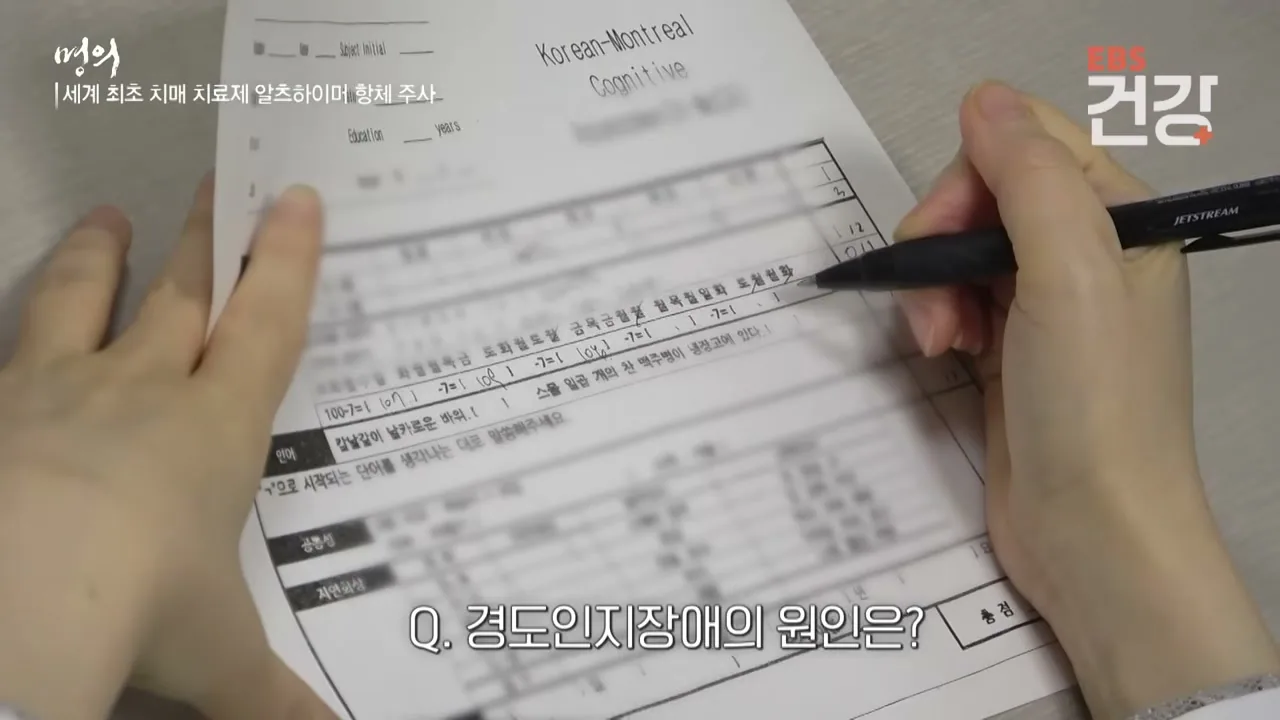
- Objective distinction between normal aging and mild cognitive impairment
- Where cognitive function stands compared with peers of the same age and education
- Differentiating Alzheimer's disease from vascular cognitive impairment
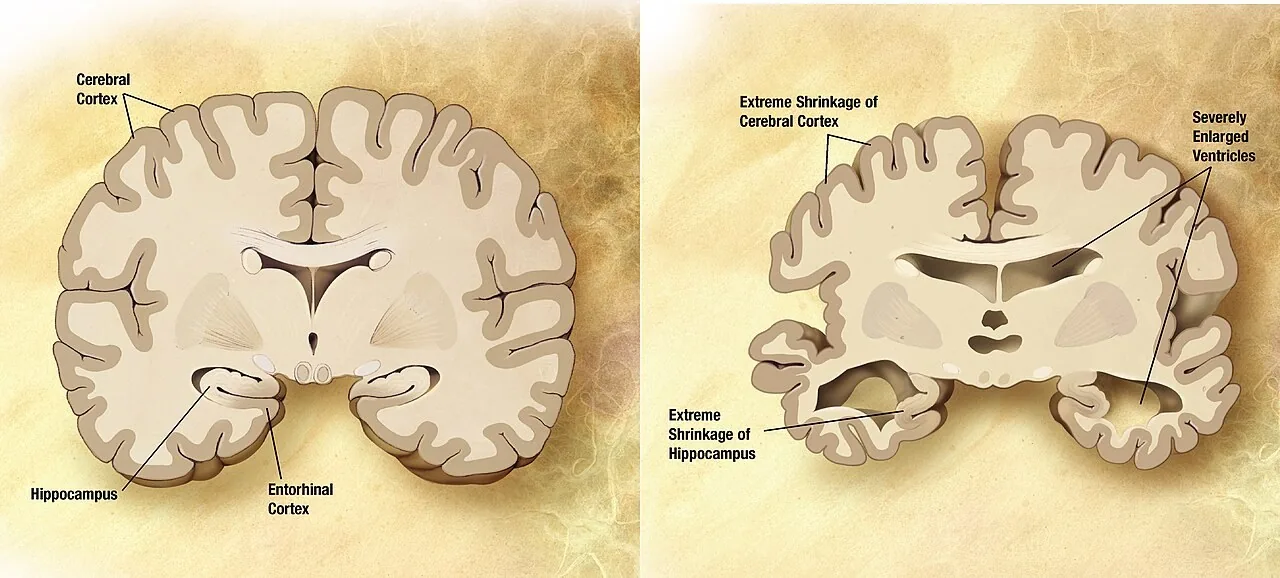
- Structural brain changes such as hippocampal atrophy and white matter degeneration
- Risk of onset by APOE genotype
- Correctable causes such as hypothyroidism and vitamin B12 deficiency
We recommend this for
Changes in memory are often noticed by family before the person themselves. If any of the following applies, it is better to record your current state as a baseline than to keep worrying about it.
- Those concerned about recent memory decline
- Those who repeat the same question or often forget appointments
- Those whose family noticed the change before they did
- Those with a family history of dementia
- Those aged 60 and over who want regular cognitive assessment
- Those who also carry vascular risk factors such as hypertension or diabetes
※ This is general medical information provided for understanding only. The actual screening items and interpretation of results are determined after consultation with a specialist.