Shingles Nerve Treatment
Shingles Not a skin disease but a nerve disease.
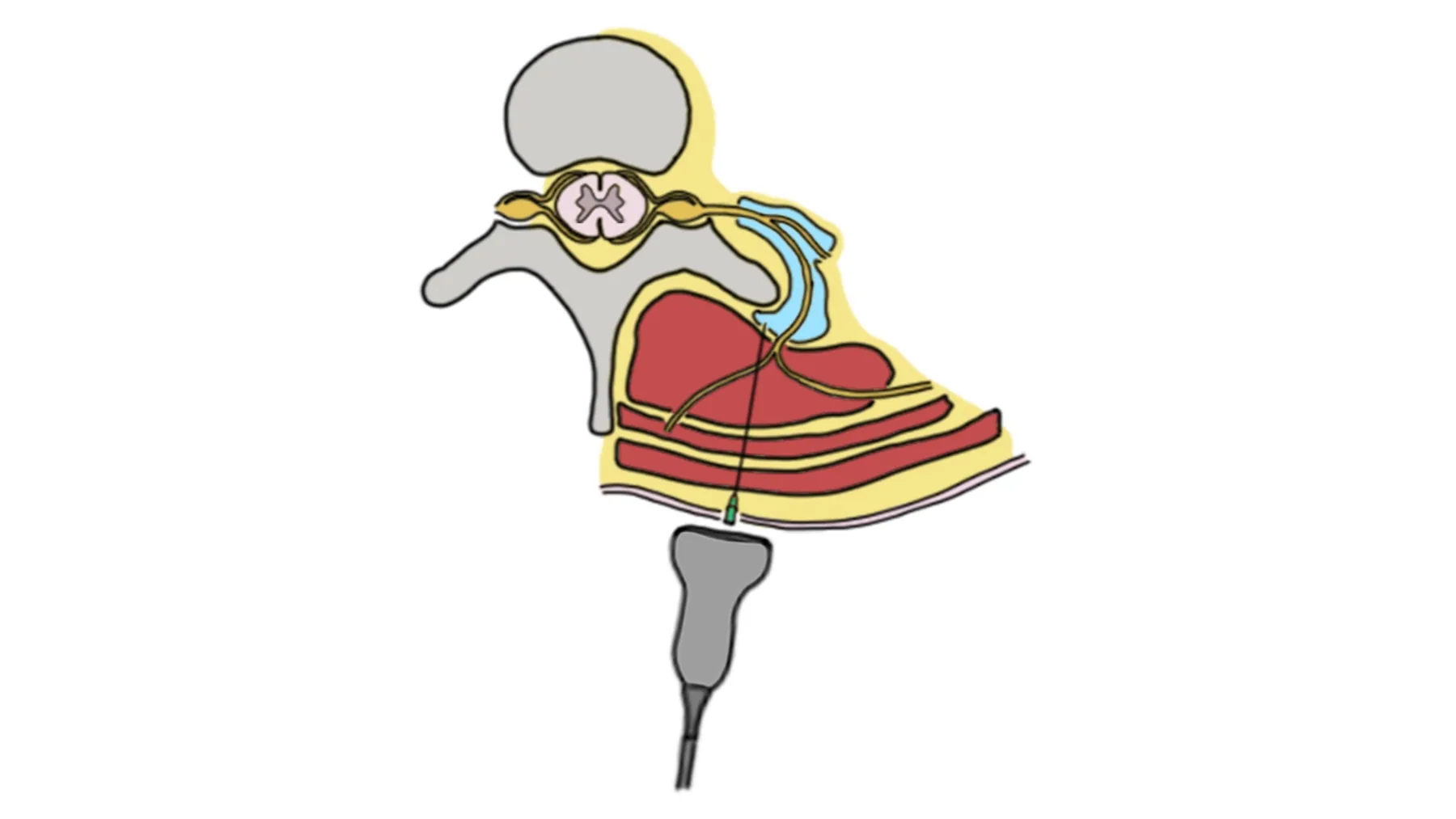
Source : De Cassai et al., Biology (MDPI) 2023;12:1073 · CC BY 4.0
Reactivation of herpes virus lying dormant in a ganglion provokes severe inflammation there.
Early in the course, before the rash appears in the affected dermatome, diagnosis can be difficult.
What matters most is early treatment that minimizes nerve damage.
Shingles Early treatmentmatters
Severe accompanying pain or an extensive rash means the associated nerve damage is severe, and the risk of progressing to postherpetic neuralgia is high.
In such cases, additional medication and nerve treatment given early in the course can do as much as possible to prevent progression to postherpetic neuralgia.
If the window for treatment is missed Progresses to postherpetic neuralgia in 50% of patients in their fifties and 80% of those in their eightiesand you may be left suffering severe pain.
At high risk of progressing to postherpetic neuralgia High-risk group
Advanced age
Patients aged 50 and over, or older
Severe early pain
Severe pain early in the course
Chronic condition
Those with long-standing chronic conditions (diabetes, liver or kidney disease)
Autoimmune disease
Those with an autoimmune condition such as rheumatoid arthritis
Cranial nerve involvement
Shingles involving the cranial nerves (eye, ear, face)
In acute shingles Treatment method?
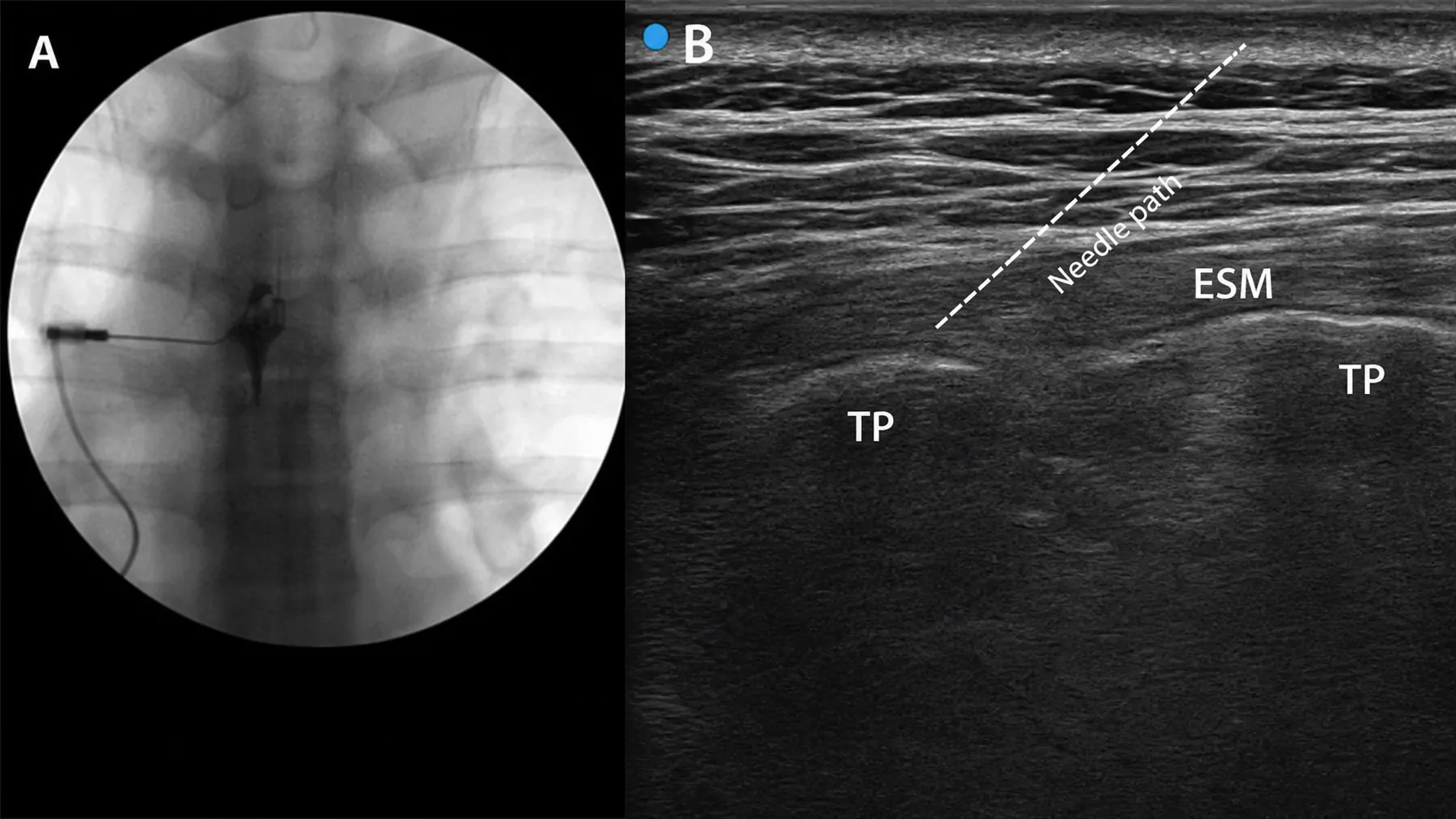
Source : Medicina (MDPI) 2024;60:453 · CC BY 4.0
In the acute phase, the following three are carried out together. The order is the order of priority.
- STEP 01
Prompt administration of antiviral medication
Whether tablet or injection, prompt administration after onset is best.
- STEP 02
Nerve treatment
The aim is to inject directly into the inflamed, damaged spinal ganglion to reduce the intensity of inflammation and calm nerve hyperexcitability.
- STEP 03
Appropriate control of pain intensity
Enduring severe pain is itself harmful to proper recovery of nerve function. Adequate pain control through appropriate prescribing by a specialist, combined with supportive therapy, can reduce the extent of nerve damage.
※ This is general medical information provided for understanding only. Whether and how to treat is determined by a specialist after examination, based on the individual patient's condition.