Occipital Neuralgia
What is occipital neuralgia?
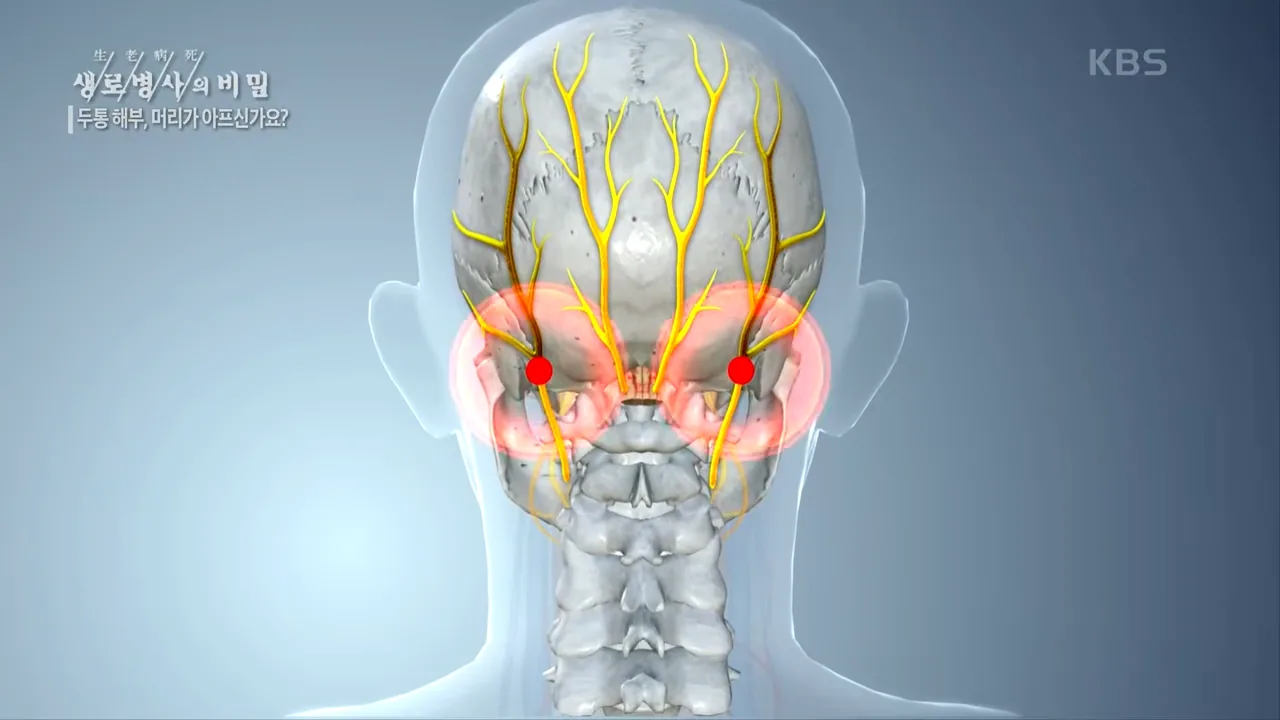
This is a form of neuralgia caused by compression or inflammation of the occipital nerve as it passes through the nape and back of the head. Characteristically, a sharp, electric or needle-like pain occurs on one side of the occiput, recurring at intervals.
When the presentation is typical, the headache is usually not dangerous. However, when the pain is atypical, or severe pain persists over a long period, testing must confirm that it is not a dangerous headache.
Check the main symptoms of occipital neuralgia
Pain at the back of the head and nape
Recurring pain at the back of the head on one side and in the nape, like an electric current or a needle stabbing
Altered scalp sensation
Touching the painful area at the back of the head feels either numb or oversensitive, and stimulating it provokes pain
Worse with neck movement
Pain worsens on turning the neck in a particular direction or tilting it back
Spreading pain
As the pain intensifies it spreads to the crown, the side of the head, and behind the eye, with blurred vision and dizziness
Causes of occipital neuralgia
| Degenerative condition | Degenerative conditions such as cervical arthritis and upper cervical disc disease |
|---|---|
| Muscle tension · trauma | Severe knotting and tension in the neck muscles, or neck trauma (such as whiplash after a traffic accident) |
| Head and neck conditions | Various head and neck conditions that can compress the occipital nerve (cervical bone spurs, brain tumor, and others) |
| Inflammation or infection | Shingles, giant cell arteritis, and others |
| Cerebrovascular disease | Rarely, cerebrovascular conditions such as vertebral artery dissection |
The testing and treatment process
- STEP 01
History-taking and physical examination
In most cases, history-taking together with physical examination is sufficient.
- STEP 02
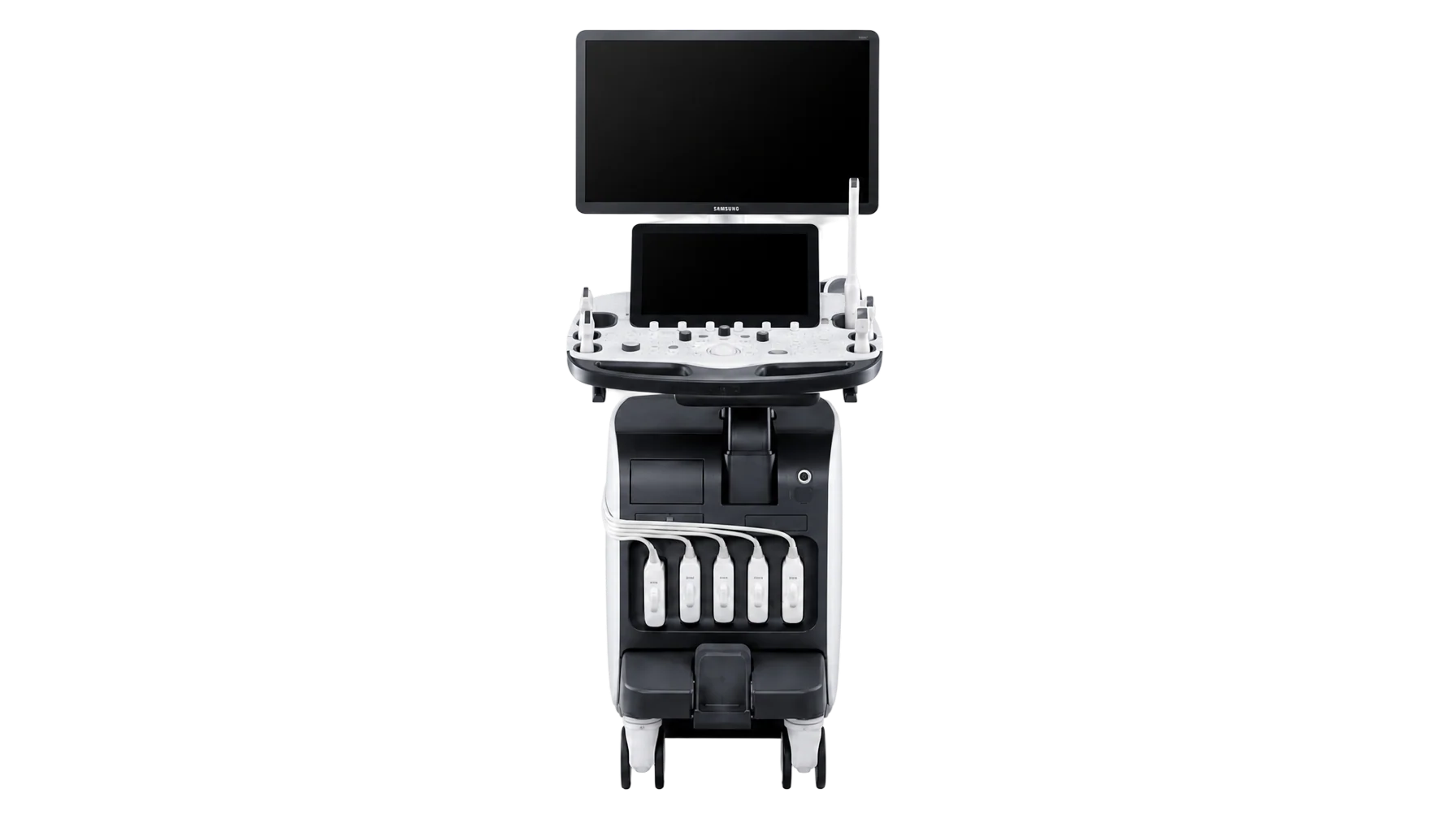
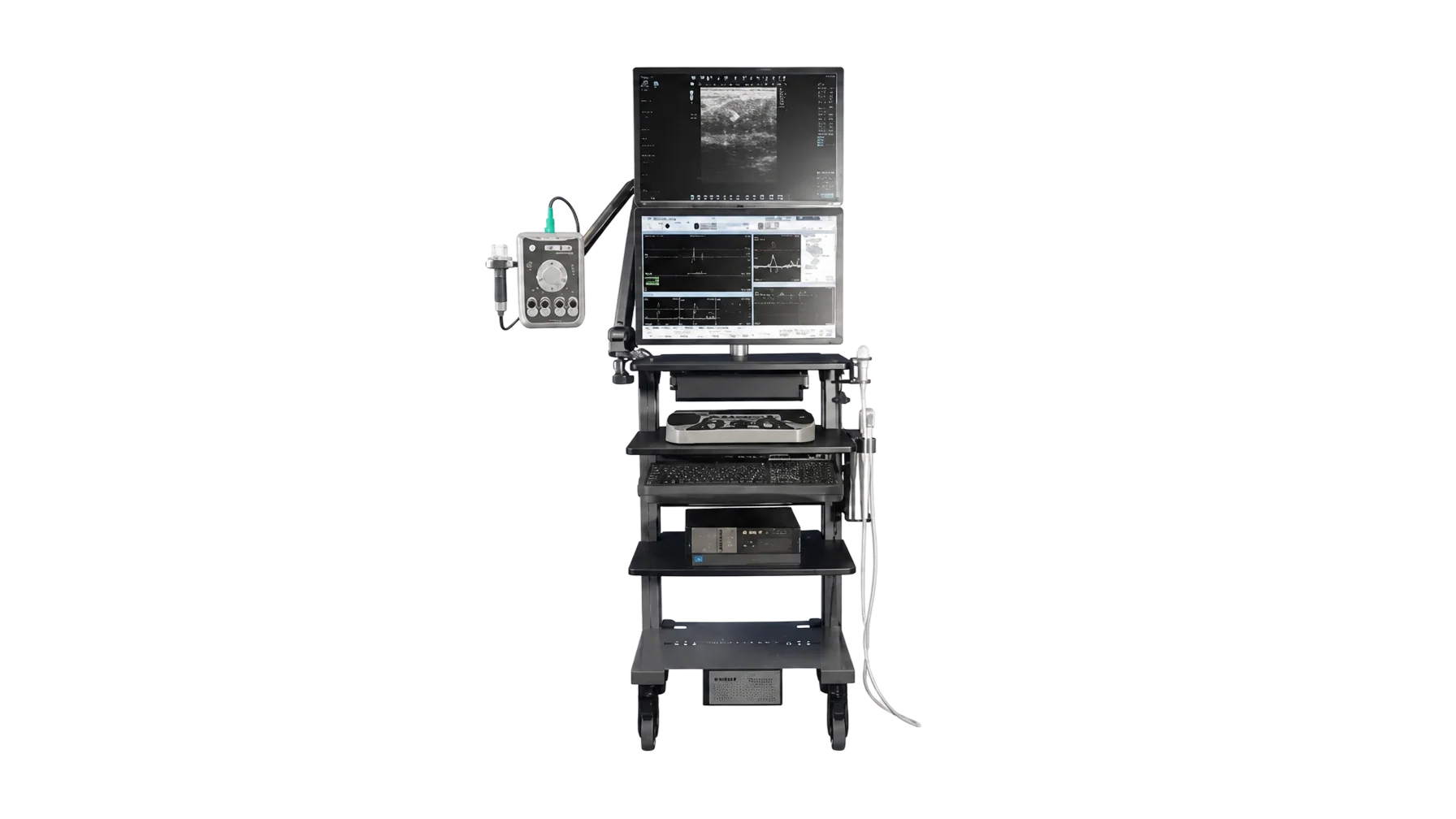
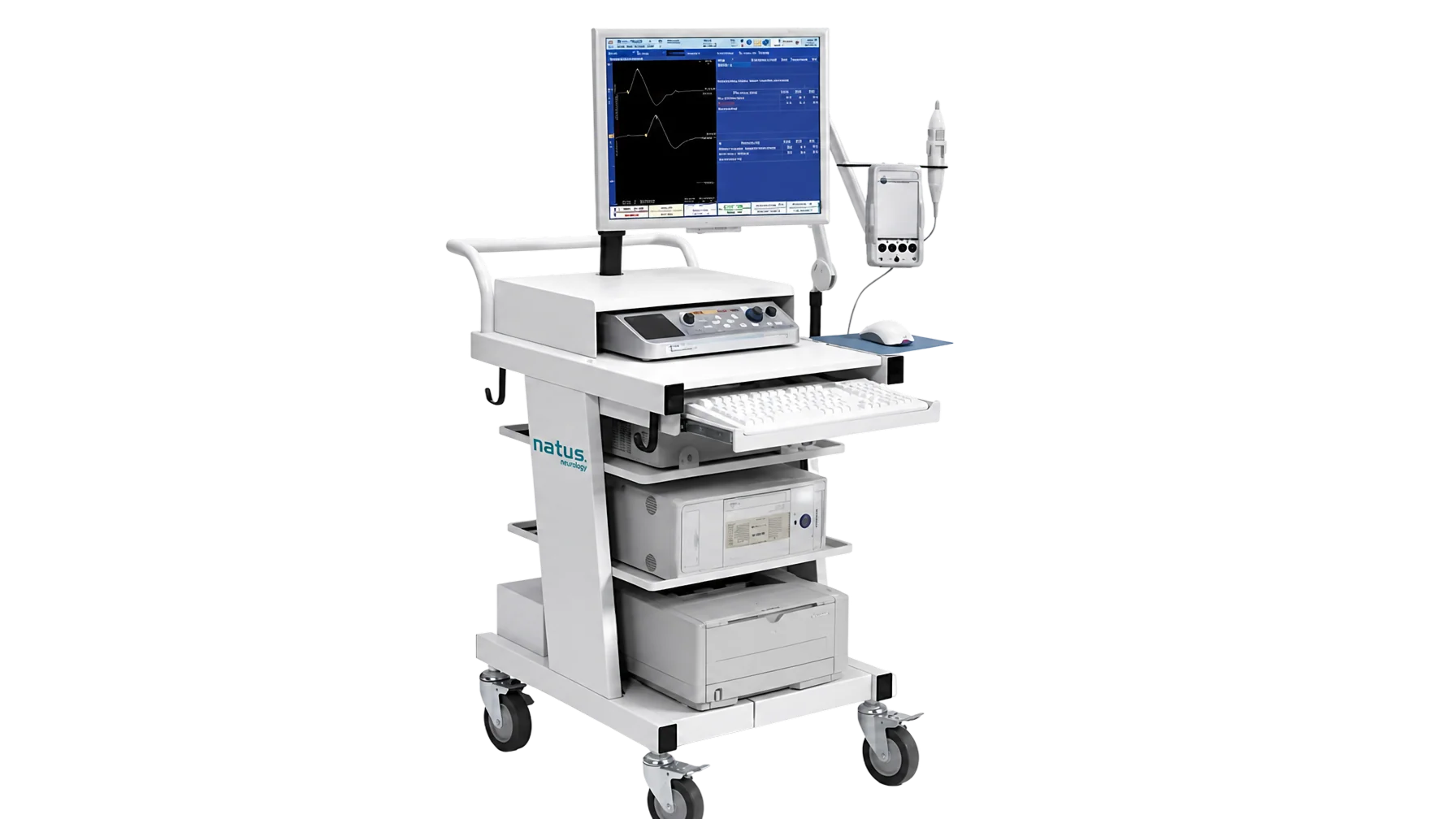
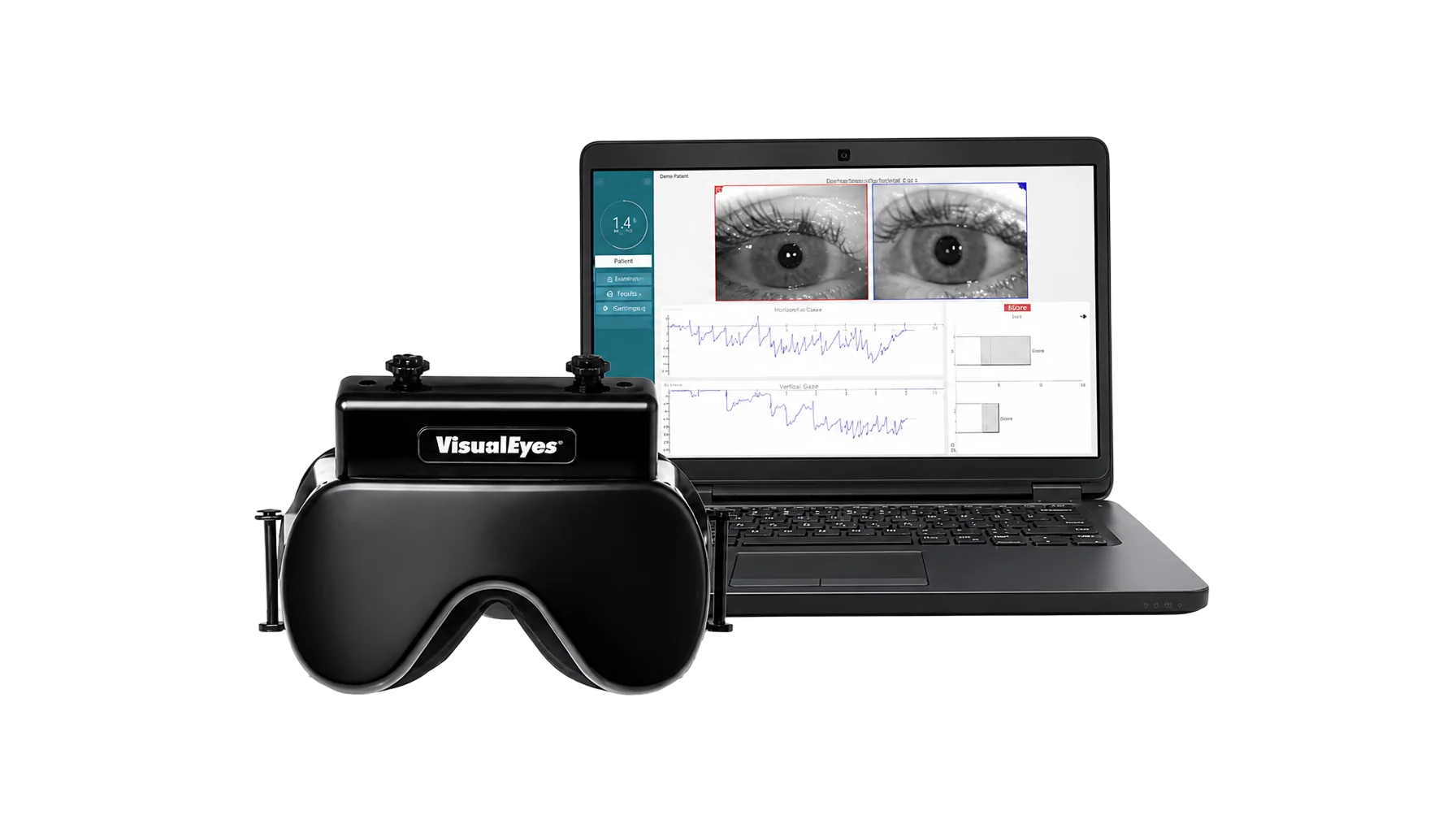
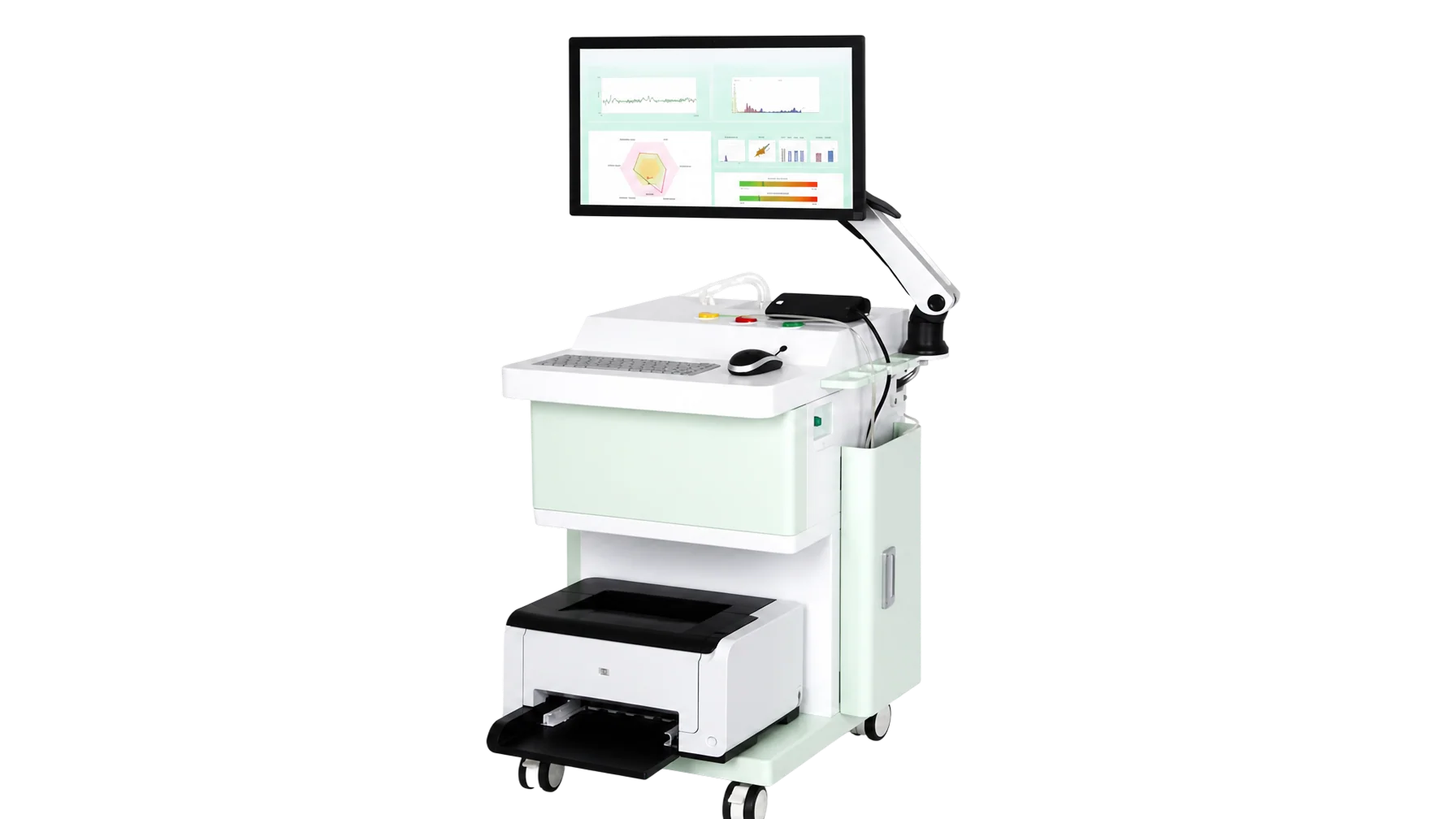
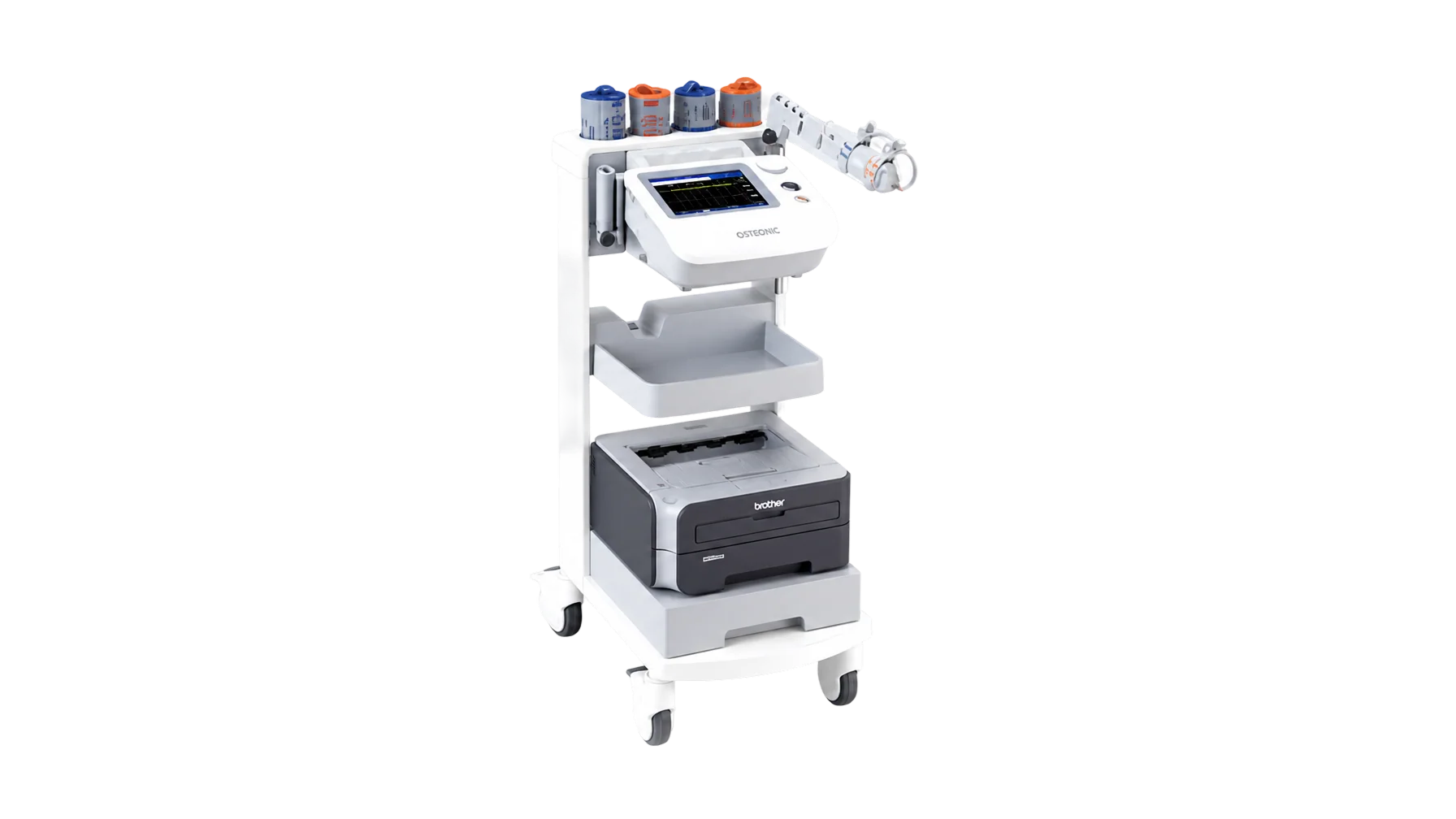
Cervical spine X-ray and neurophysiological testing
A test to evaluate the condition of the cervical spine related to the occipital nerve and to assess nerve function.
- STEP 03
Occipital nerve block or cervical nerve root treatment
In many cases the cervical condition causing the occipital neuralgia can be identified, and acute pain controlled with a safe injection.
- STEP 04
Medication and physical therapy
Pain control and relief of neck muscle tension are carried out together.
- STEP 05
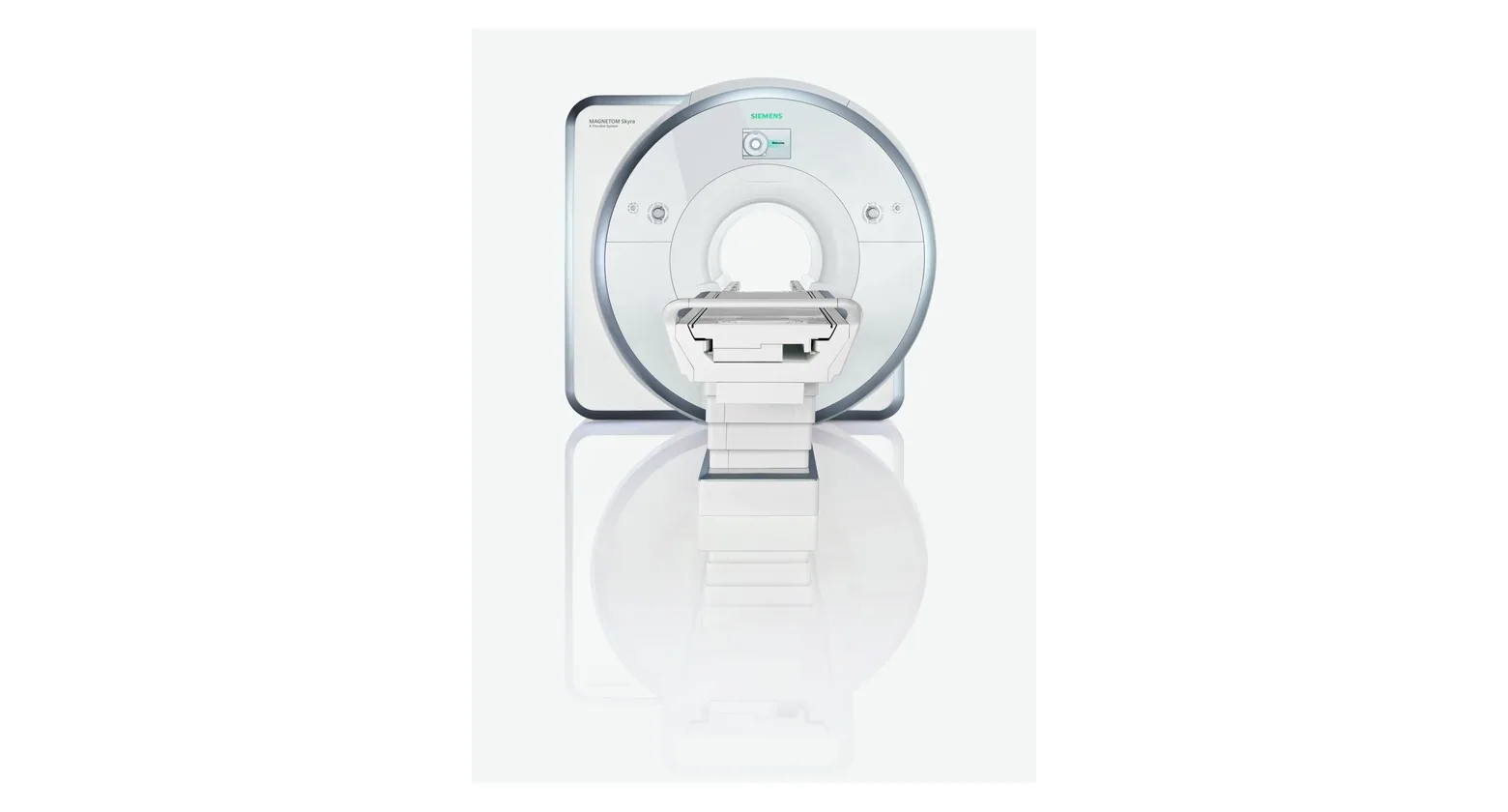
Brain MRI and MRA if needed
When the presentation is atypical, we examine carefully to find the cause.
※ This is general medical information provided for understanding only. Actual diagnosis and treatment are determined by a specialist after examination, based on the individual patient's condition.