

1. Medication
The pain of trigeminal neuralgia responds poorly to ordinary analgesics, so anticonvulsants such as carbamazepine, which calm nerve excitability, are used instead.

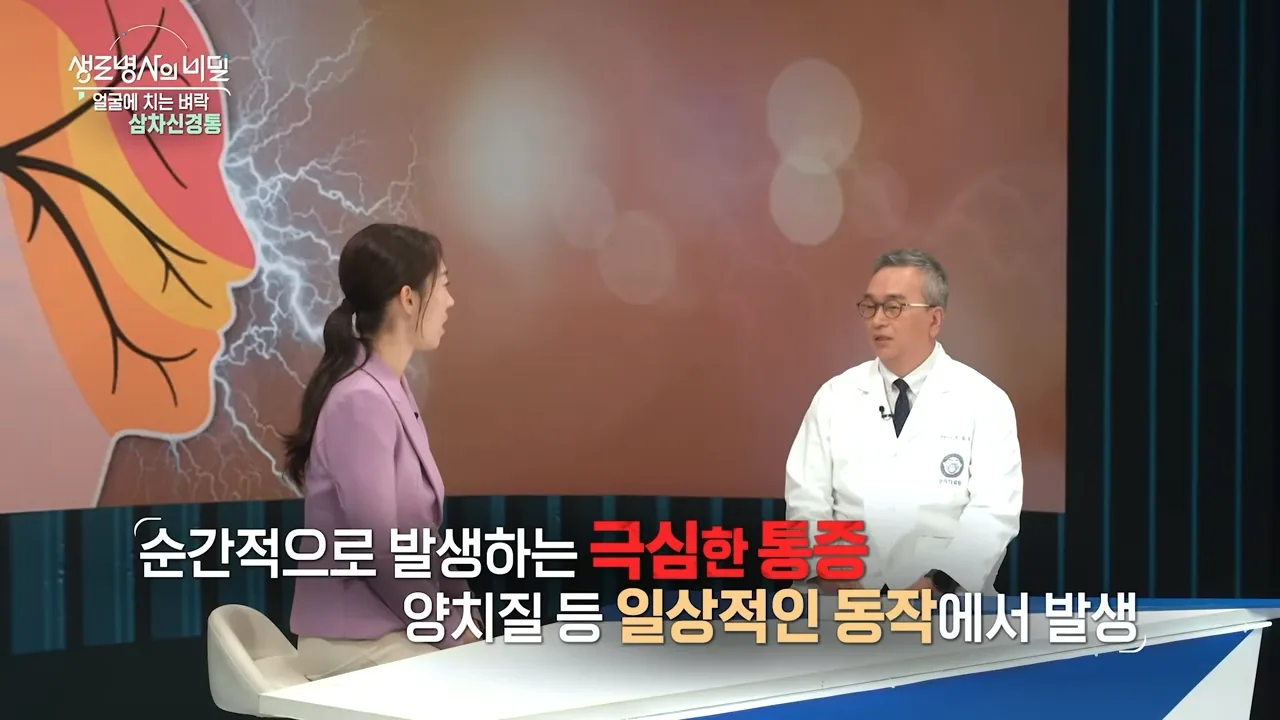
Source : KBS 1TV "The Secret of Life and Death" ep. 994 (20 May 2026)
A disorder of the trigeminal nerve, which carries facial sensation, produces recurring paroxysms of severe pain on one side of the face — like an electric shock or a knife cutting.
Trigeminal neuralgia can usually be diagnosed through careful history-taking, but depending on where the pain is felt, it is frequently mistaken for toothache or another headache.
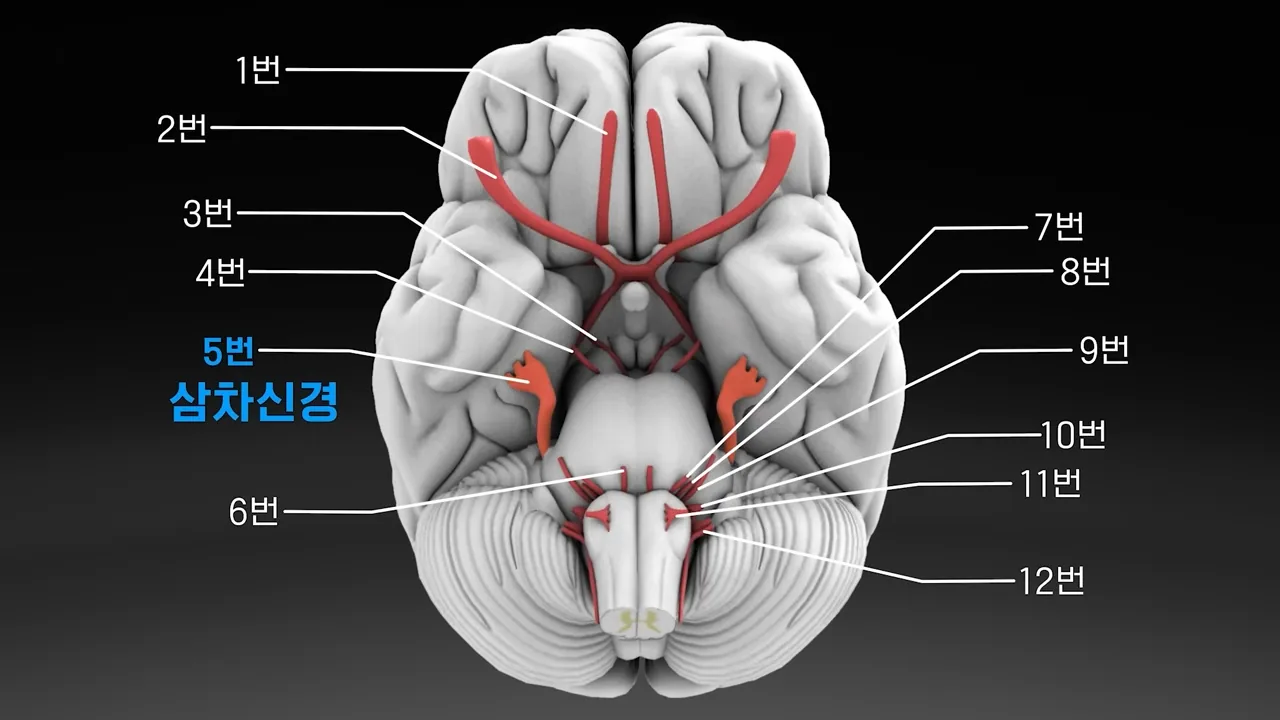
The most common cause is compression of the trigeminal nerve by an aged cerebral vessel, accounting for over 90% of all patients.
The remainder occur secondarily to brain disorders such as tumor, cerebrovascular disease, or multiple sclerosis, accounting for under 10% of cases.
If trigeminal neuralgia has been diagnosed, brain MRI must be performed to establish the underlying cause.
The pain of trigeminal neuralgia responds poorly to ordinary analgesics, so anticonvulsants such as carbamazepine, which calm nerve excitability, are used instead.
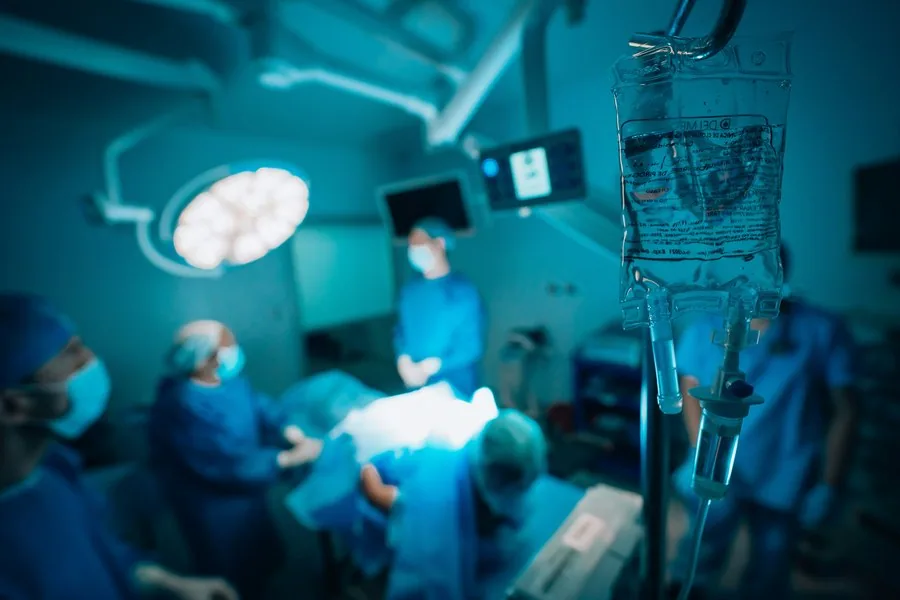
Separating the adherent vessel from the trigeminal nerve addresses the root cause, but re-adhesion and recurrence some years later are not uncommon.
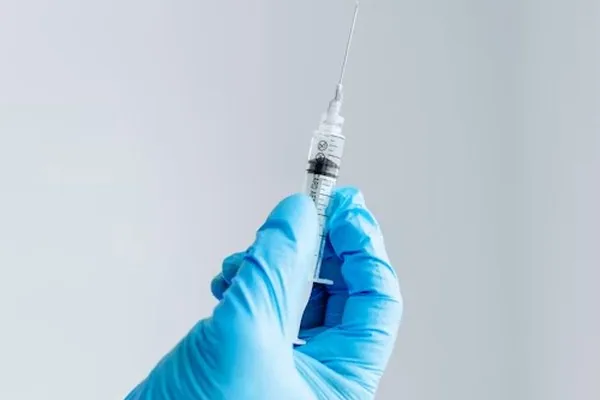
Methods using alcohol or radiofrequency are available. They are not permanent, may require repeat procedures, and can carry considerable side effects.
※ This is general medical information provided for understanding only. Actual diagnosis and treatment are determined by a specialist after examination, based on the individual patient's condition.
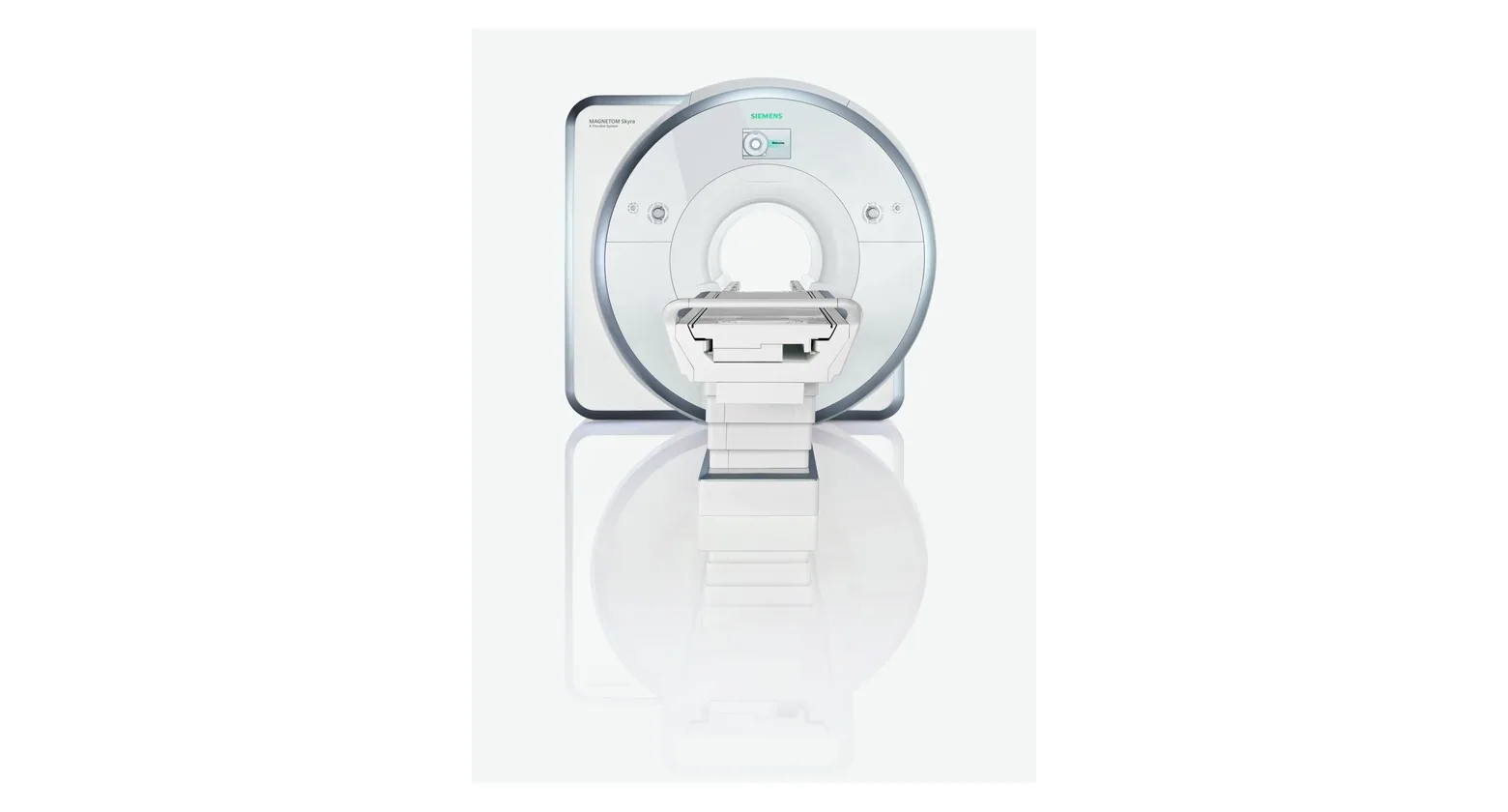 SIEMENS3T AI MRIWe add AI imaging (Deep Resolve) to a proven Siemens 3T MRI to examine neurological conditions faster and more clearly.
 MRABrain and carotid MRAIt accurately evaluates the degree of atherosclerosis, stenosis, structural abnormality, and the presence of aneurysm in the vessels of the brain and neck.
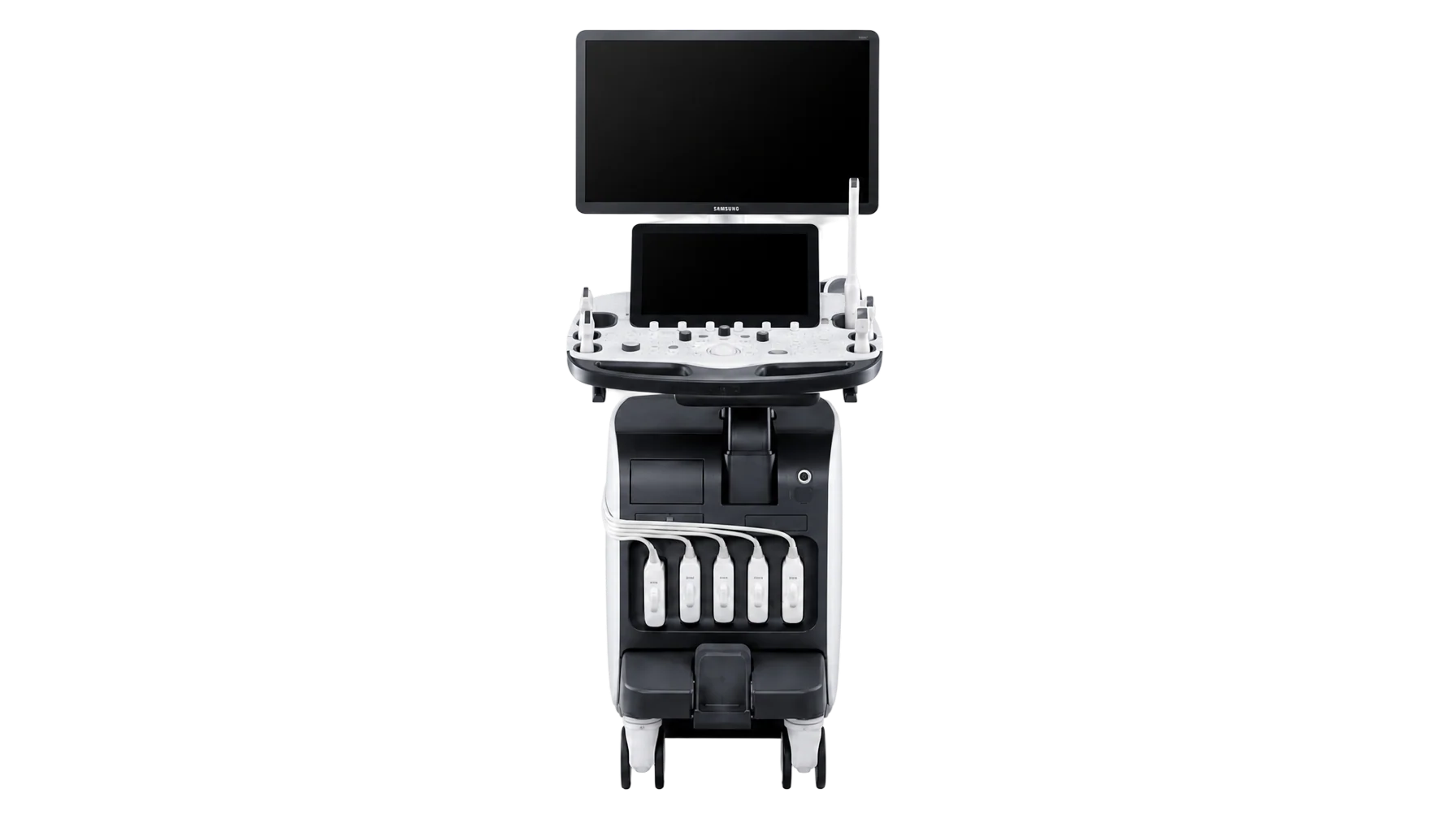 Carotid USCarotid UltrasoundCarotid wall thickness and plaque are examined to assess stroke risk.
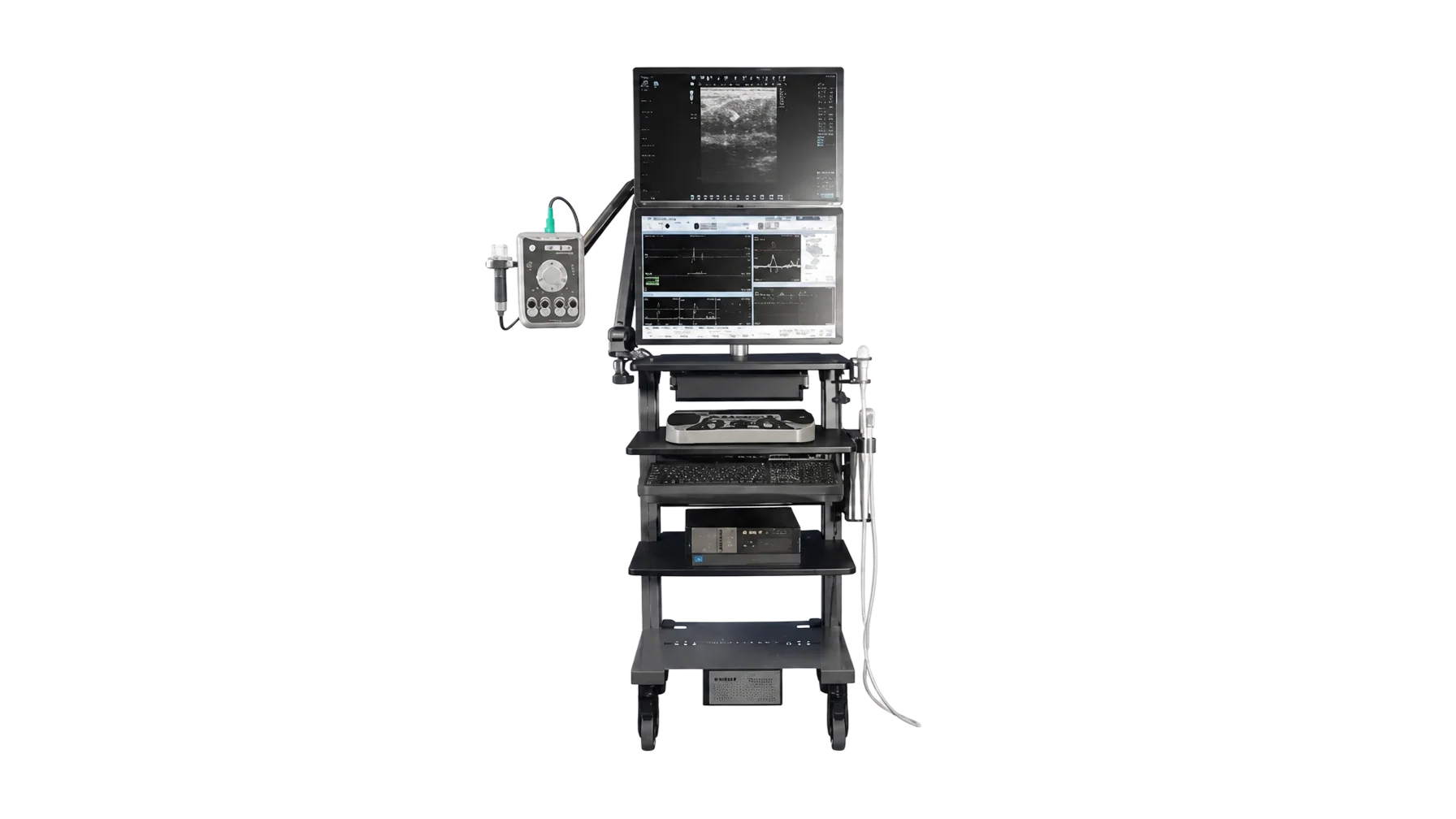 NCS / EMGNerve Conduction StudyNerves in the arms, legs, and face are safely stimulated electrically and the responses recorded, establishing whether peripheral nerve damage is present and how severe it is.
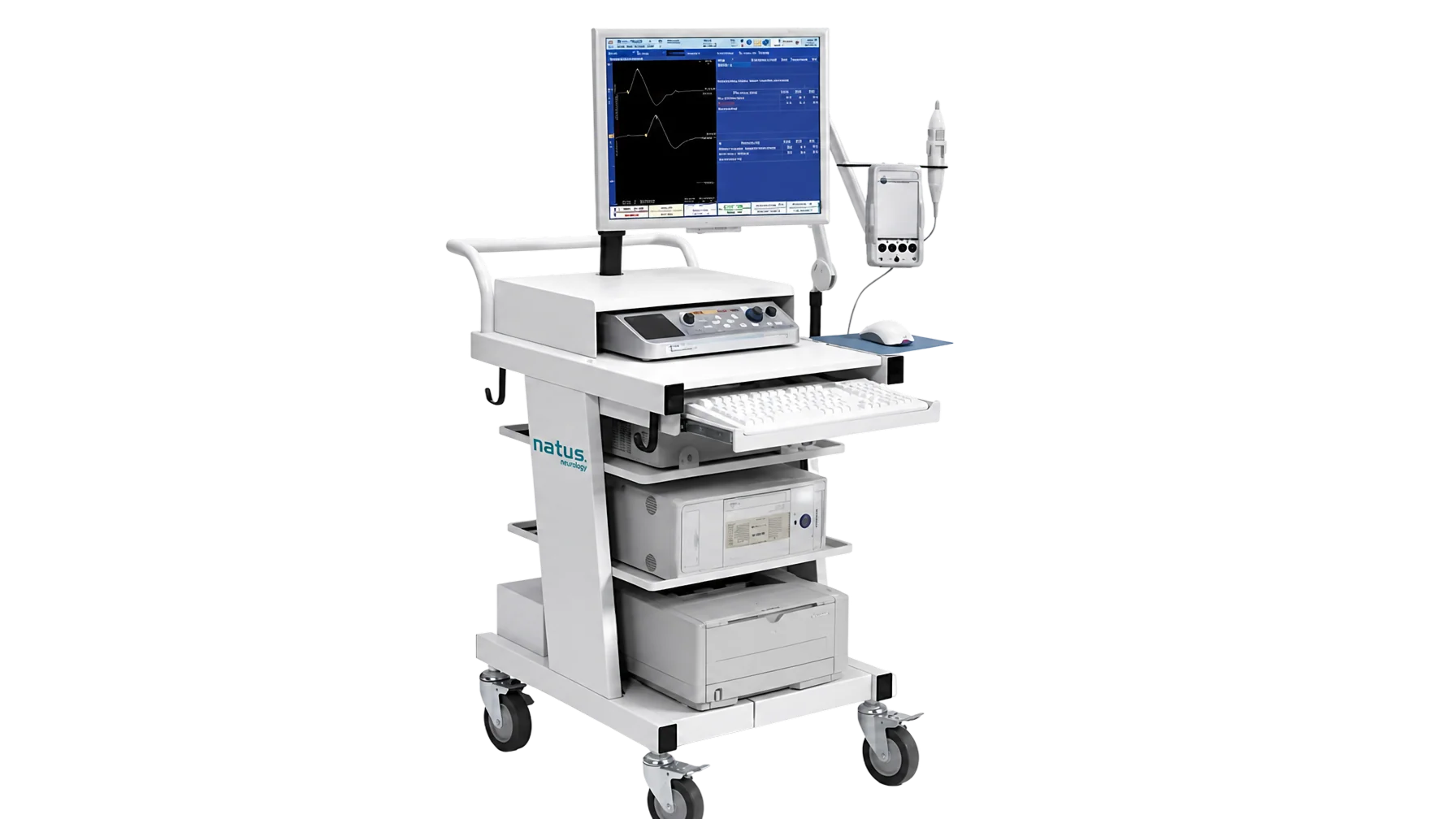 EPEvoked potential testBy safely stimulating the visual and auditory pathways electrically, damage to the cranial nerves can be identified.
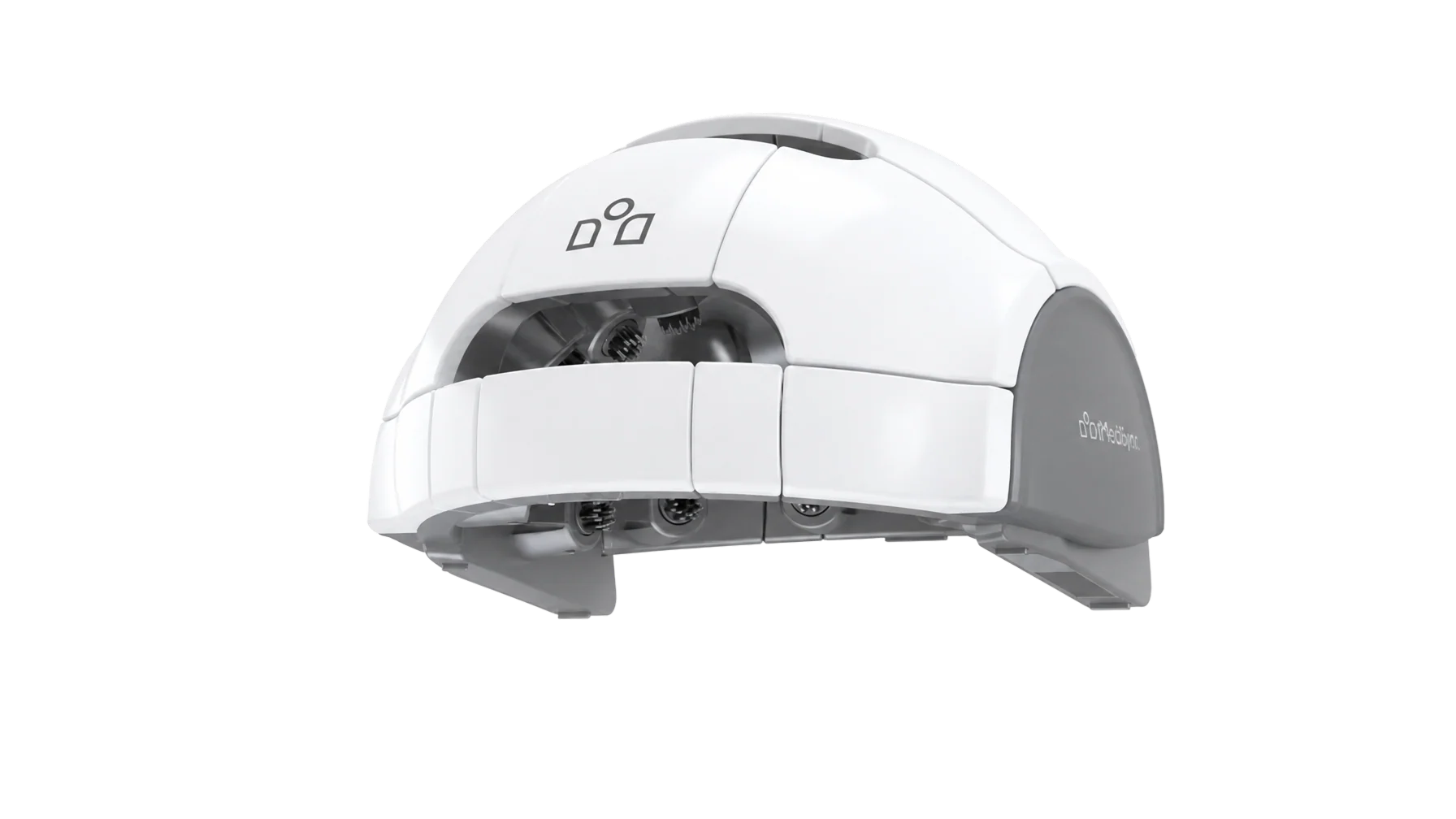 EEGAI digital EEGBeyond the conventional identification of epileptiform waveforms, quantitative EEG with the latest AI software aids in assessing brain function in headache, anxiety, and depression.
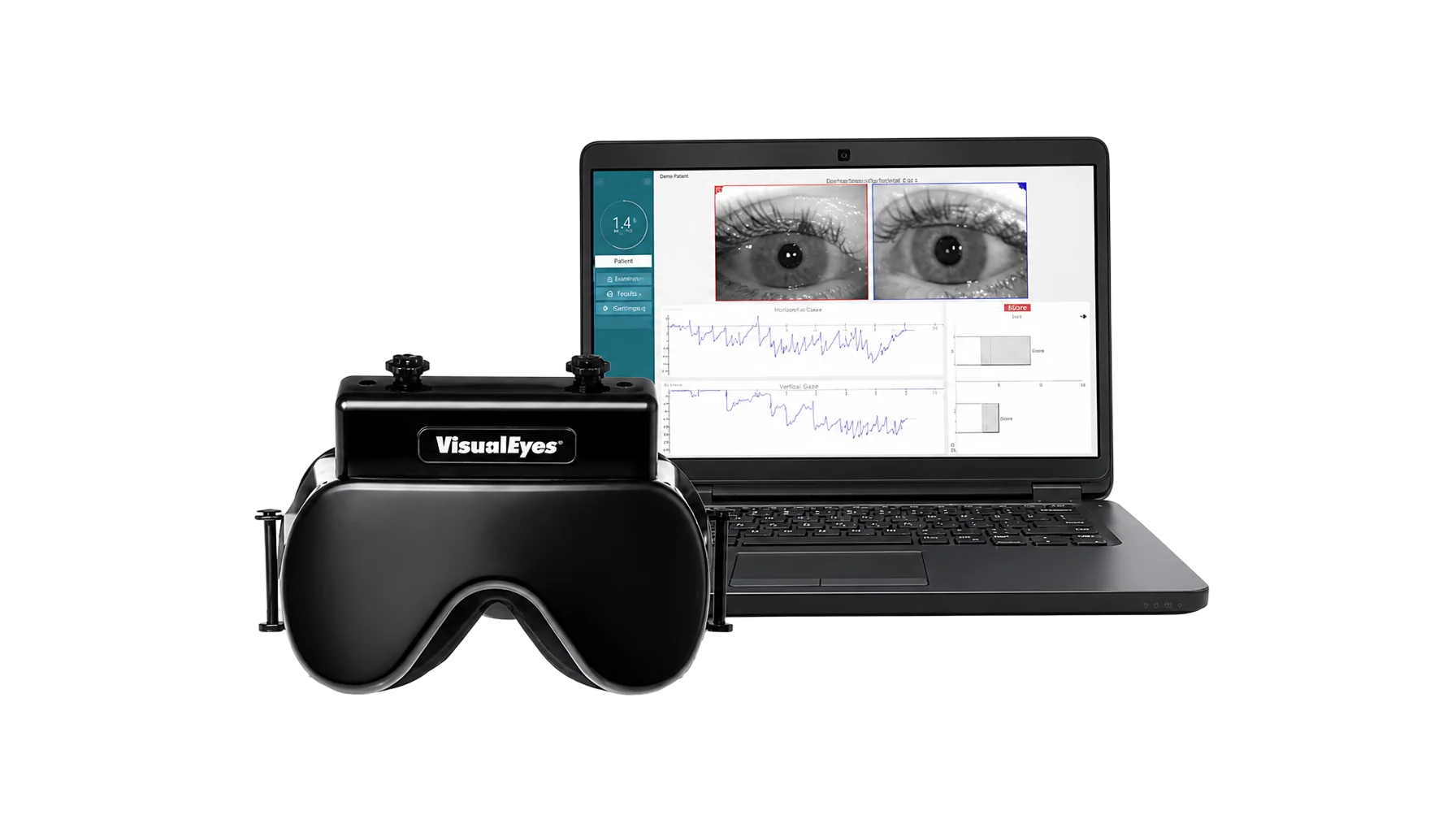 VNGVideo nystagmographyBy recording and analyzing involuntary eye movement on video, this test is useful for distinguishing dizziness disorders such as BPPV and Meniere's disease.
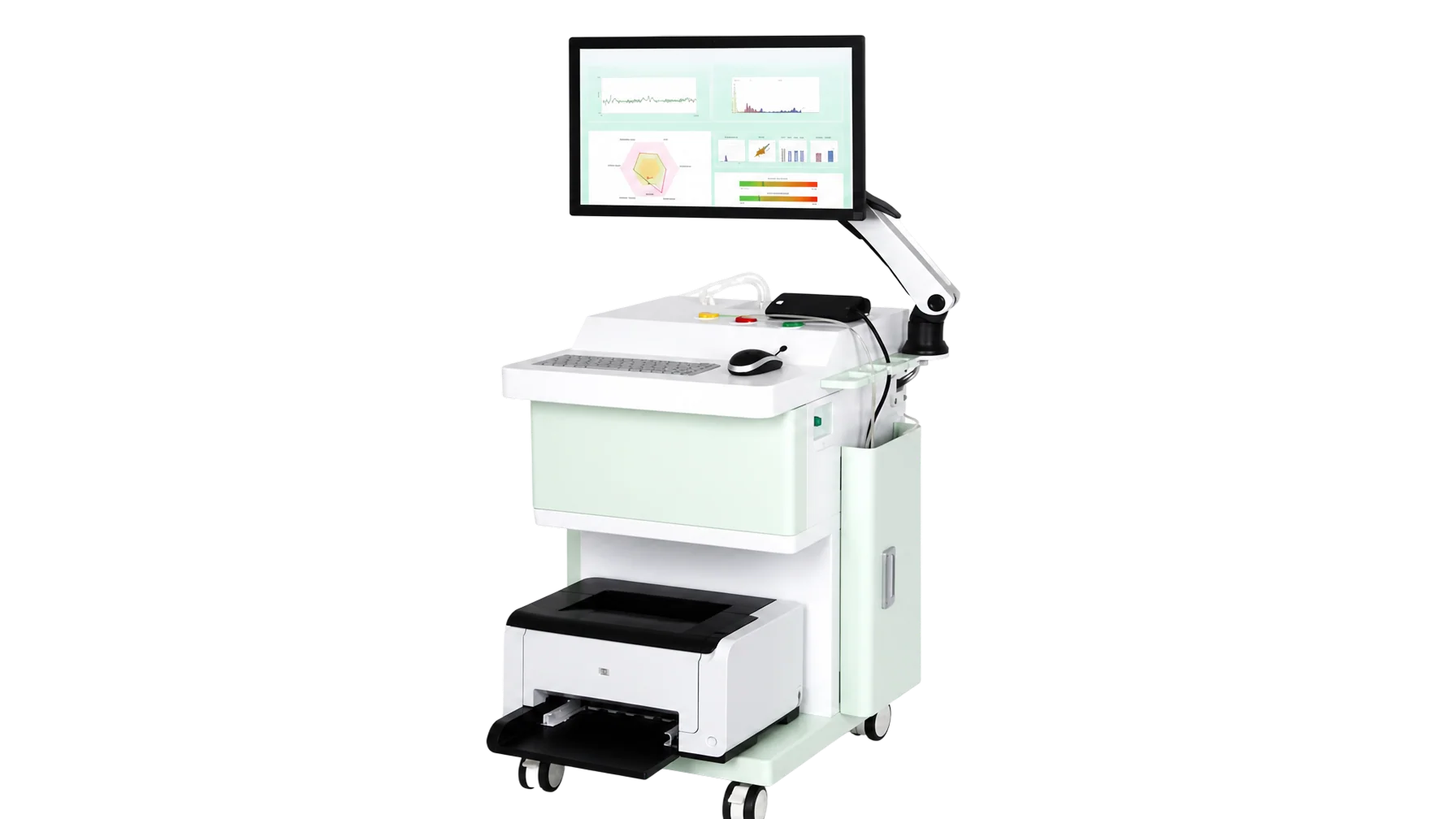 HRV / SSRAutonomic Function TestEquipment that objectively assesses the balance between the body's sympathetic and parasympathetic nerves.
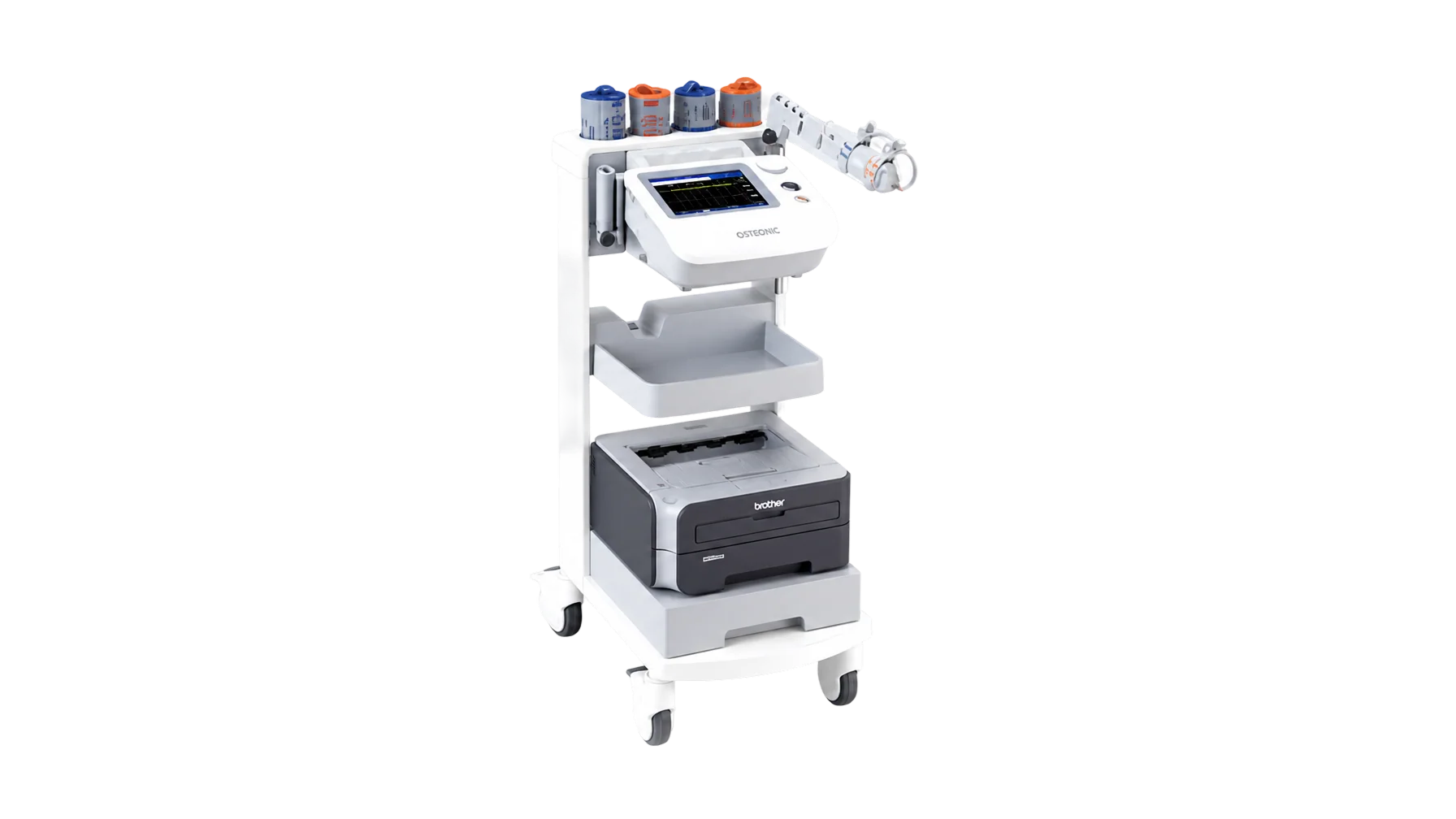 PWV / ABIArterial elasticity testingBy measuring vessel elasticity and the degree of atherosclerosis, it readily assesses the risk of circulatory disturbance and cardiovascular or cerebrovascular disease.
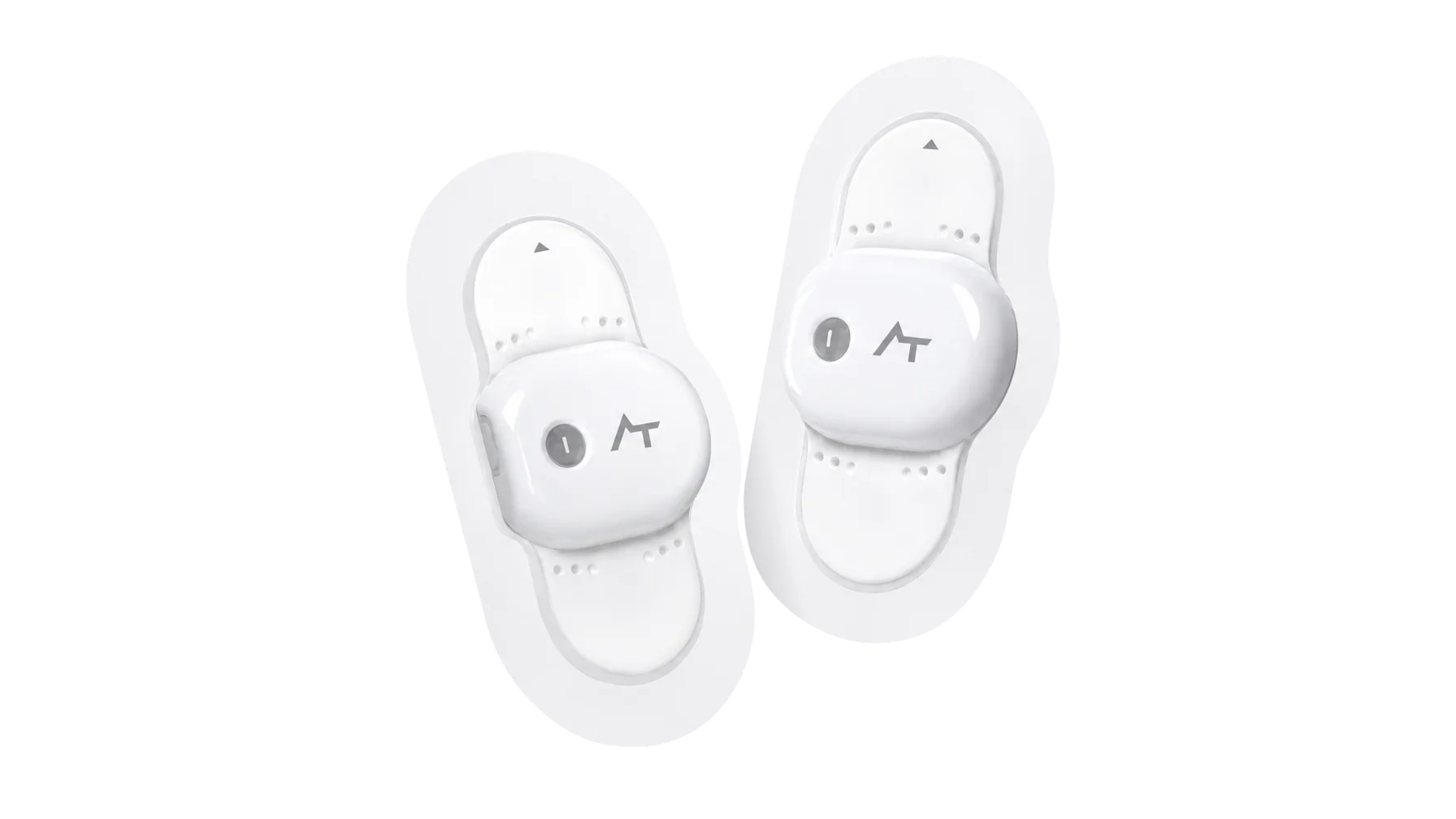 Wearable ECG/BPWearable cardiac function testingA micro-sensor continuously analyzes blood pressure and ECG over 24 hours to identify cardiac dysfunction capable of causing a stroke.
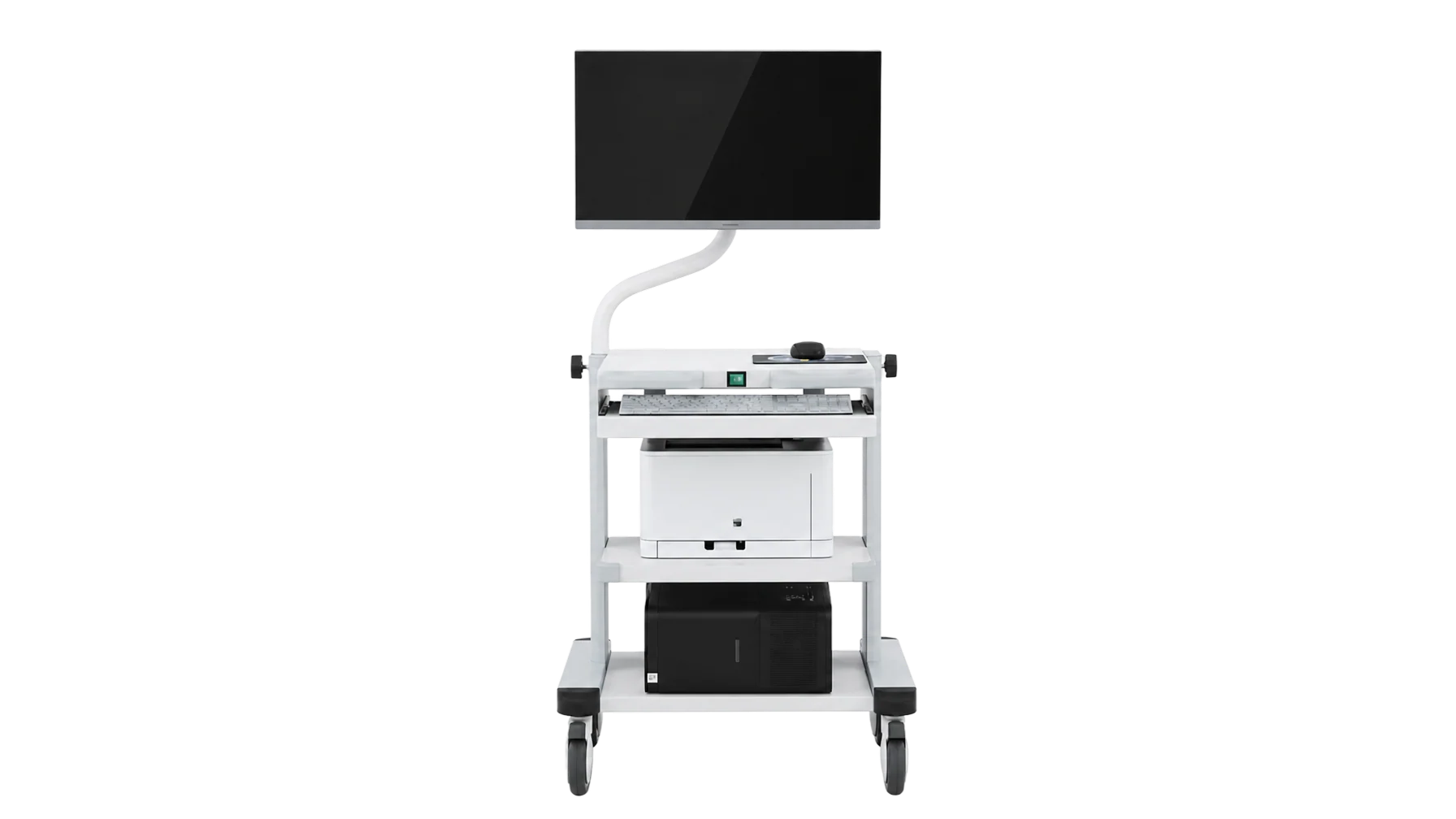 SNSB / CERADNeuropsychological testingIt distinguishes simple forgetfulness from dementia and objectively evaluates cognitive function including memory.
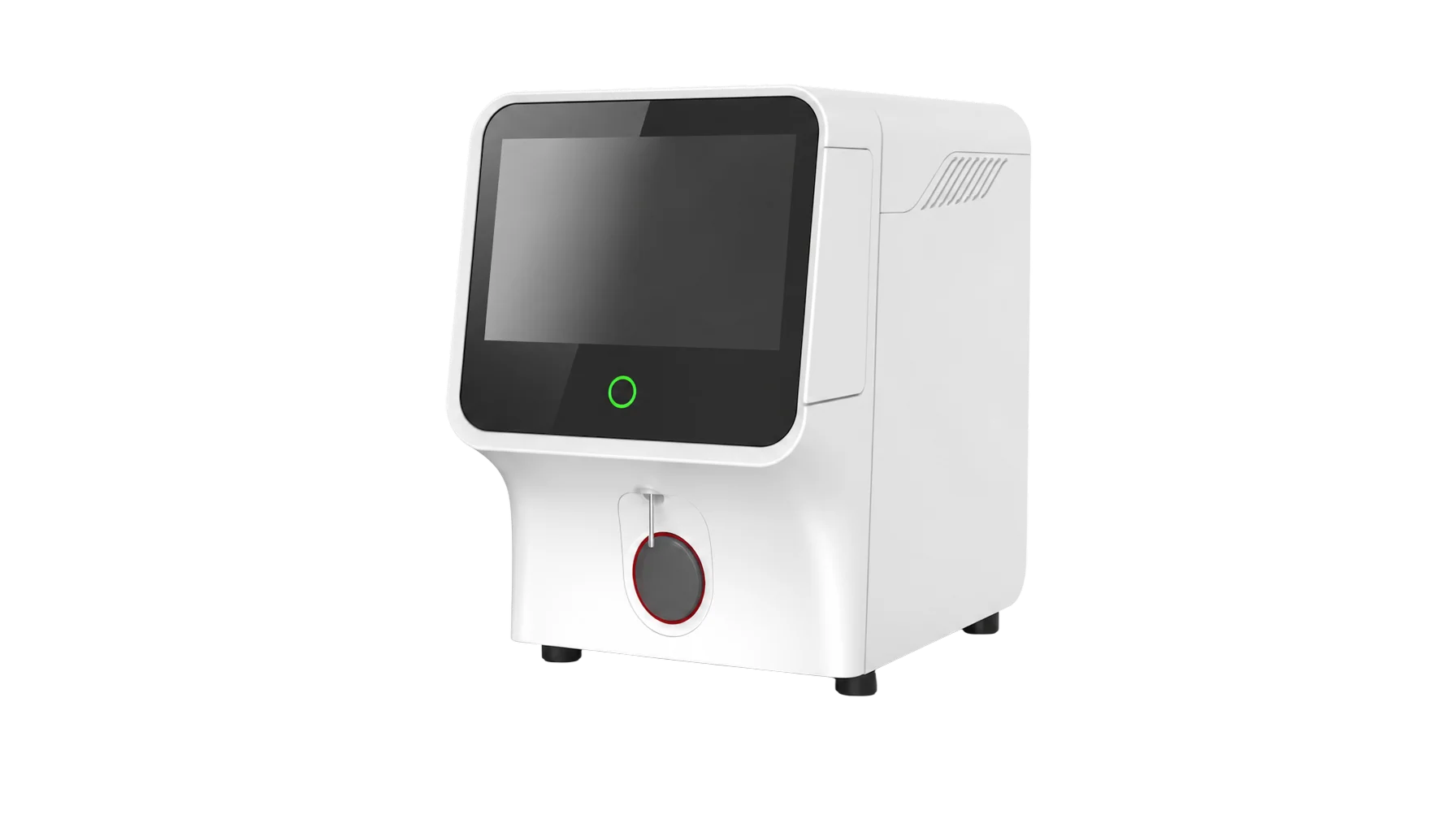 LABBlood and genetic testingWe identify risk factors for cardiovascular and cerebrovascular disease, including dyslipidemia, and look for high-risk dementia genes in advance so that prevention can begin.