Tension Headache
Tension headache — what kind of condition is it?
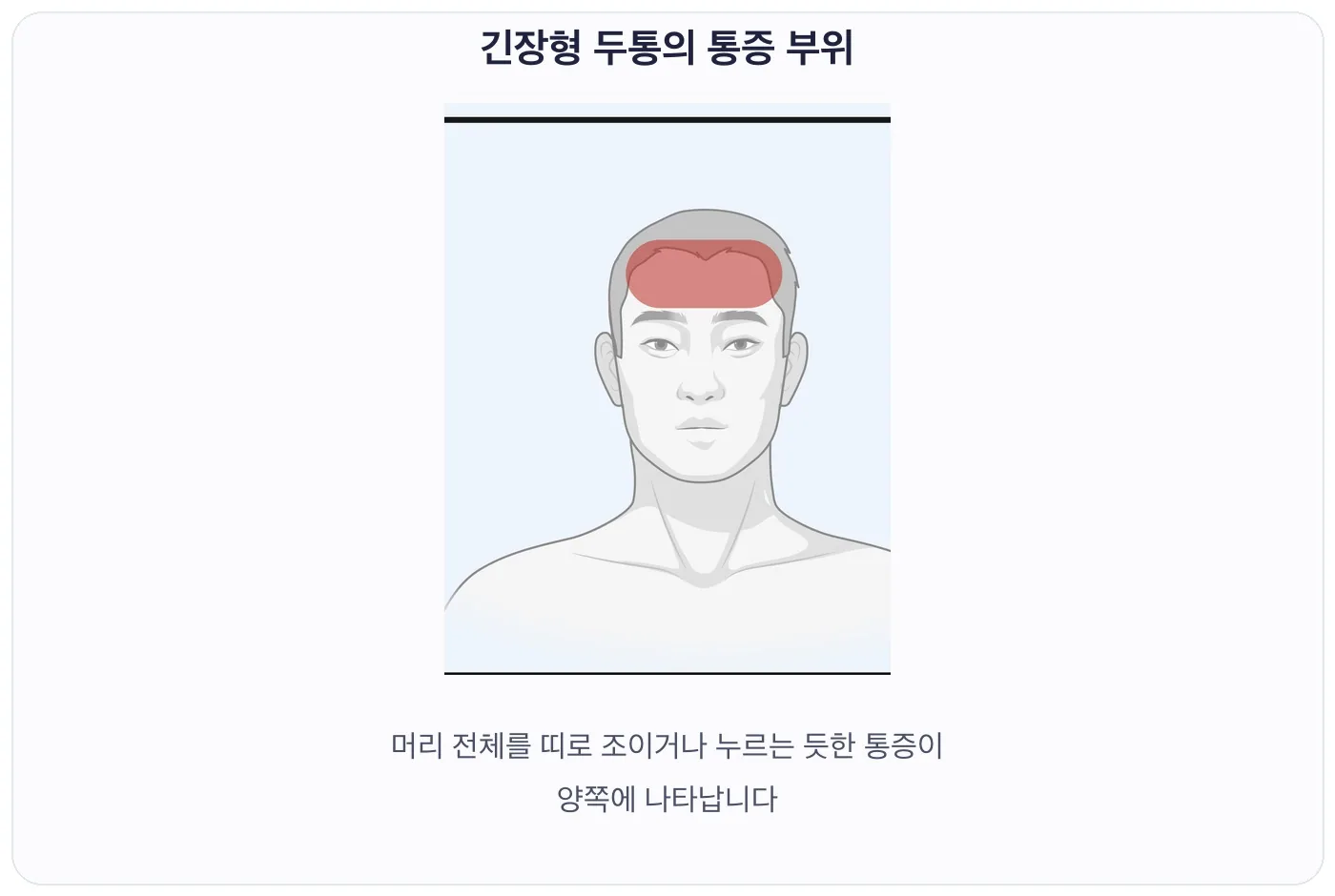
Source : Illustration: Pain distribution in primary headache types · Wikimedia Commons (CC BY 4.0)
Tension headache is the most common form of headache. Mild to moderate in intensity, it does not usually prevent daily activity. What often happens instead is that people endure it for months or years, getting by on painkillers whenever needed.
Recurring headache attacks lead on to reduced concentration, lower productivity at work or school, and chronic fatigue, markedly lowering quality of life. Left untreated it can become chronic, worsening into headache on nearly every day, or change in character into medication-overuse headache, so diagnosis and treatment should not be delayed.
Check the main symptoms of tension headache
| A tightening headache | A headache that feels like tightening or pressure |
|---|---|
| No dizziness or queasiness | Little or no dizziness or queasiness accompanying the headache |
| Worse in the afternoon | Worse in the afternoon than the morning, and painful when stressed or tired |
| Daily life remains possible | Headache makes things hard, but not to the point of preventing work |
| Knotted neck and shoulders | The back of the neck and shoulders are always knotted too |
| Sleep problems | Sleep is insufficient, or you wake unrefreshed |
The more of the above that apply, the more likely a tension headache. However, it can be confused with migraine without aura and may be accompanied by cervicogenic headache, so examination by a neurologist is necessary.
Treatment of tension headache at Centum Neurology
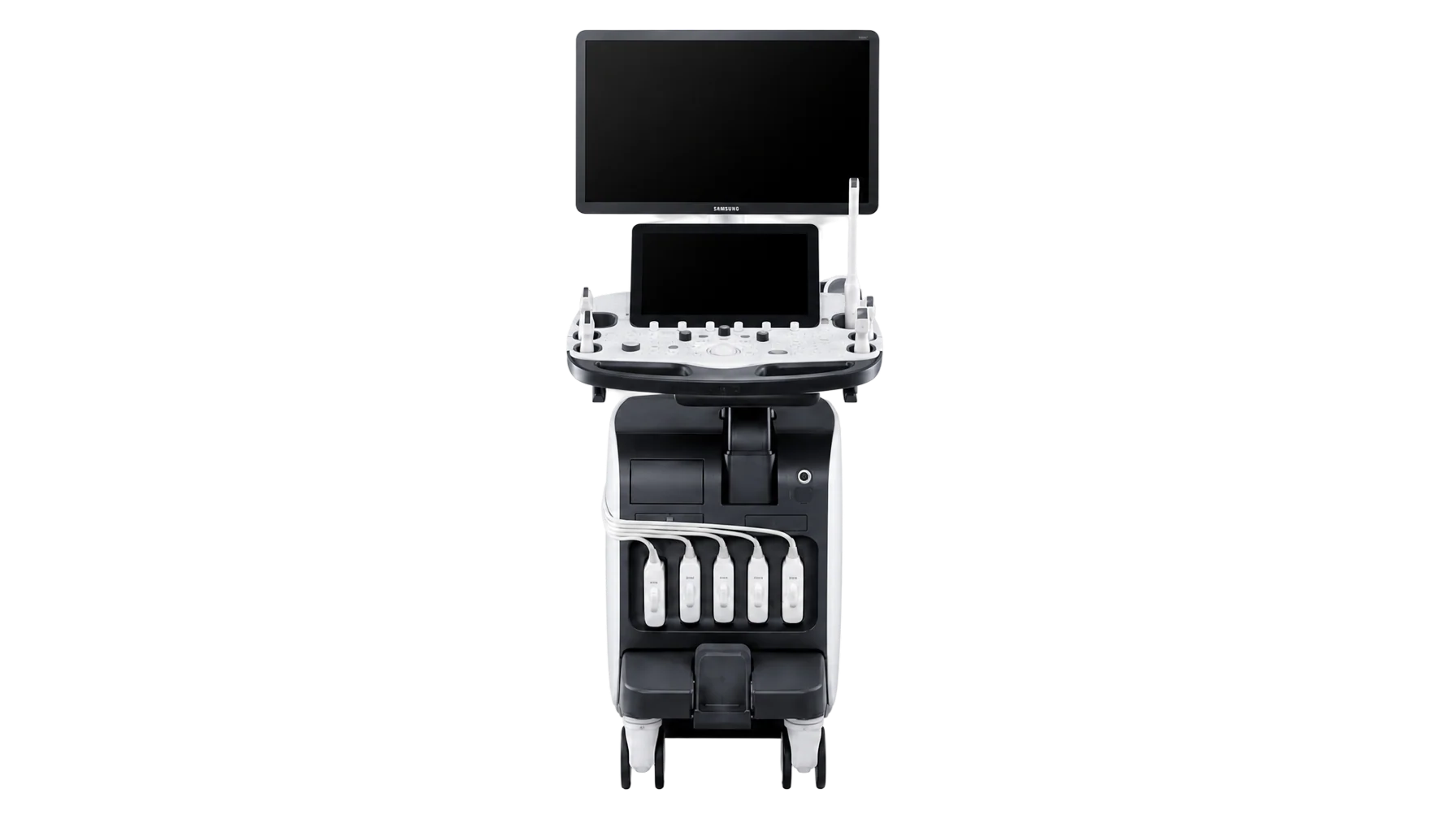
| Ultrasound-guided nerve block | We treat the nerve generating the pain to relieve acute symptoms |
|---|---|
| Cervical nerve root injection | Performed to treat the accompanying cervical abnormality and nerve root |
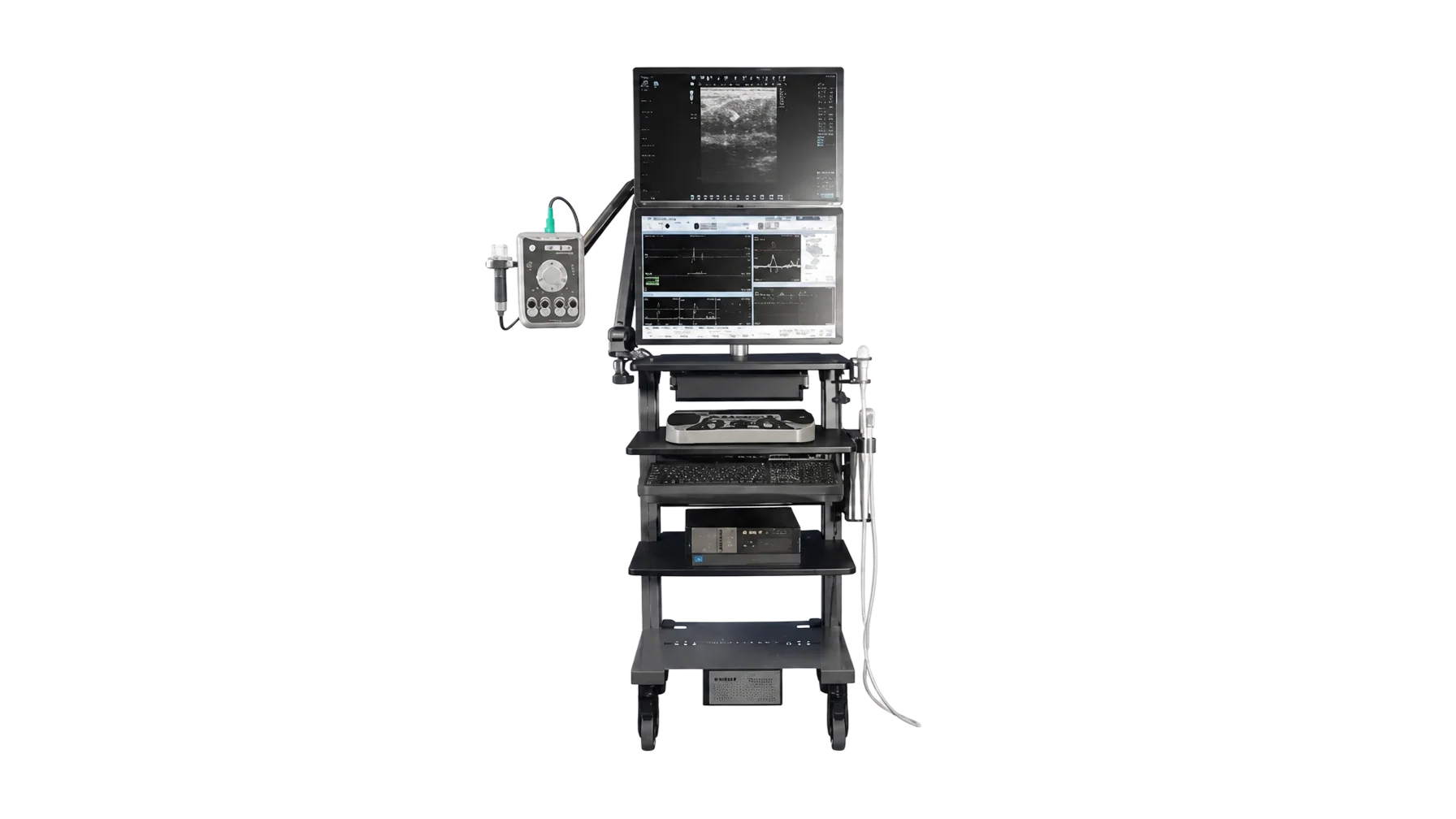
| Extracorporeal shockwave therapy | Performed to relieve accompanying tension in the cervical and occipital muscles |
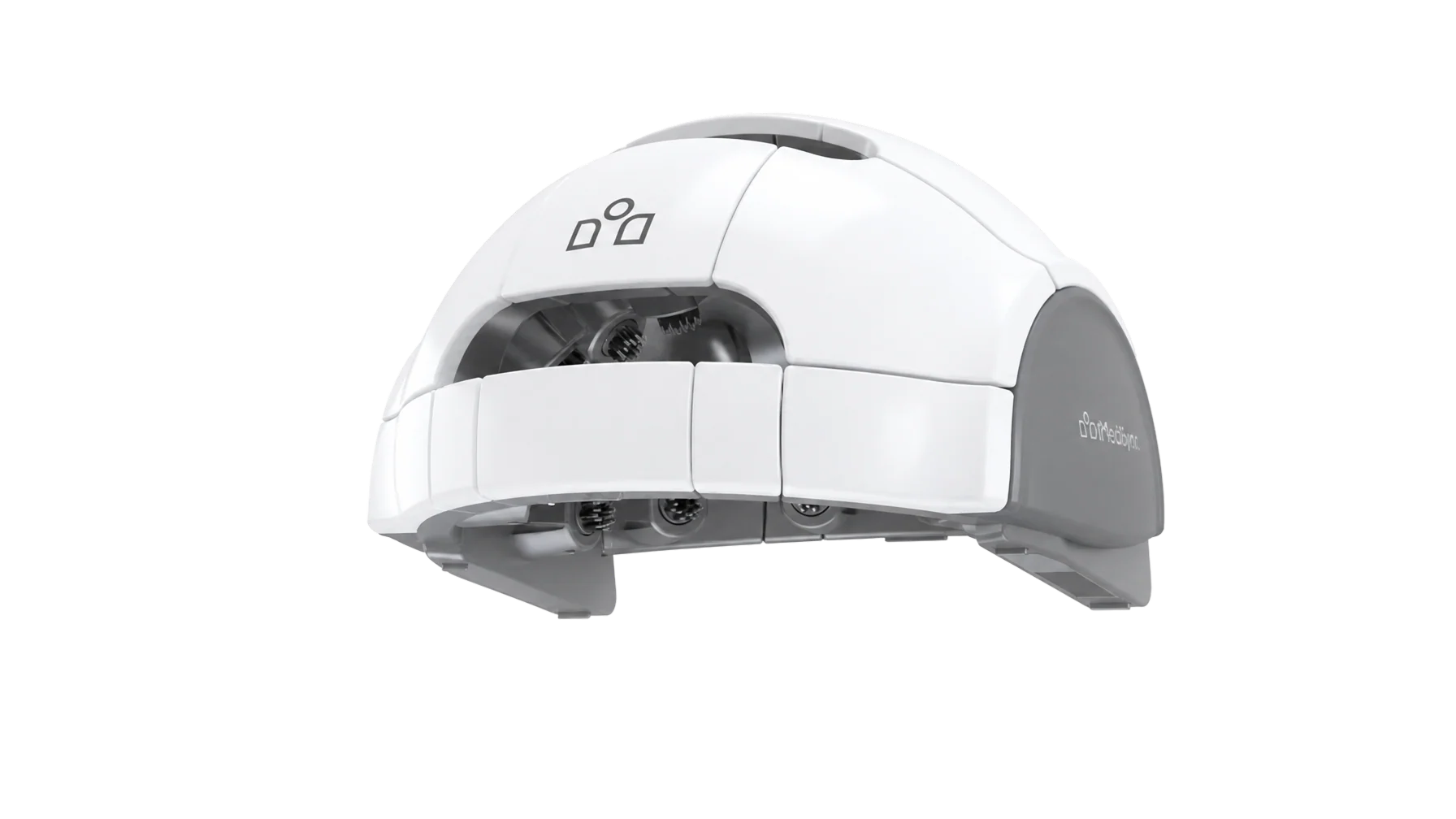
| Transcranial magnetic stimulation (TMS) | A new option for patients with chronic headache unresponsive to medication |
※ This is general medical information provided for understanding only. Actual diagnosis and treatment are determined by a specialist after examination, based on the individual patient's condition.