Autonomic dysfunction (orthostatic dizziness, syncope)
Syncope — the injury from falling is more dangerous than the dizziness
When blood vessels fail to constrict in time as you rise from lying down, blood flow to the brain momentarily falls short.
Vision blacks out and you feel faint; in severe cases consciousness is lost and you collapse.
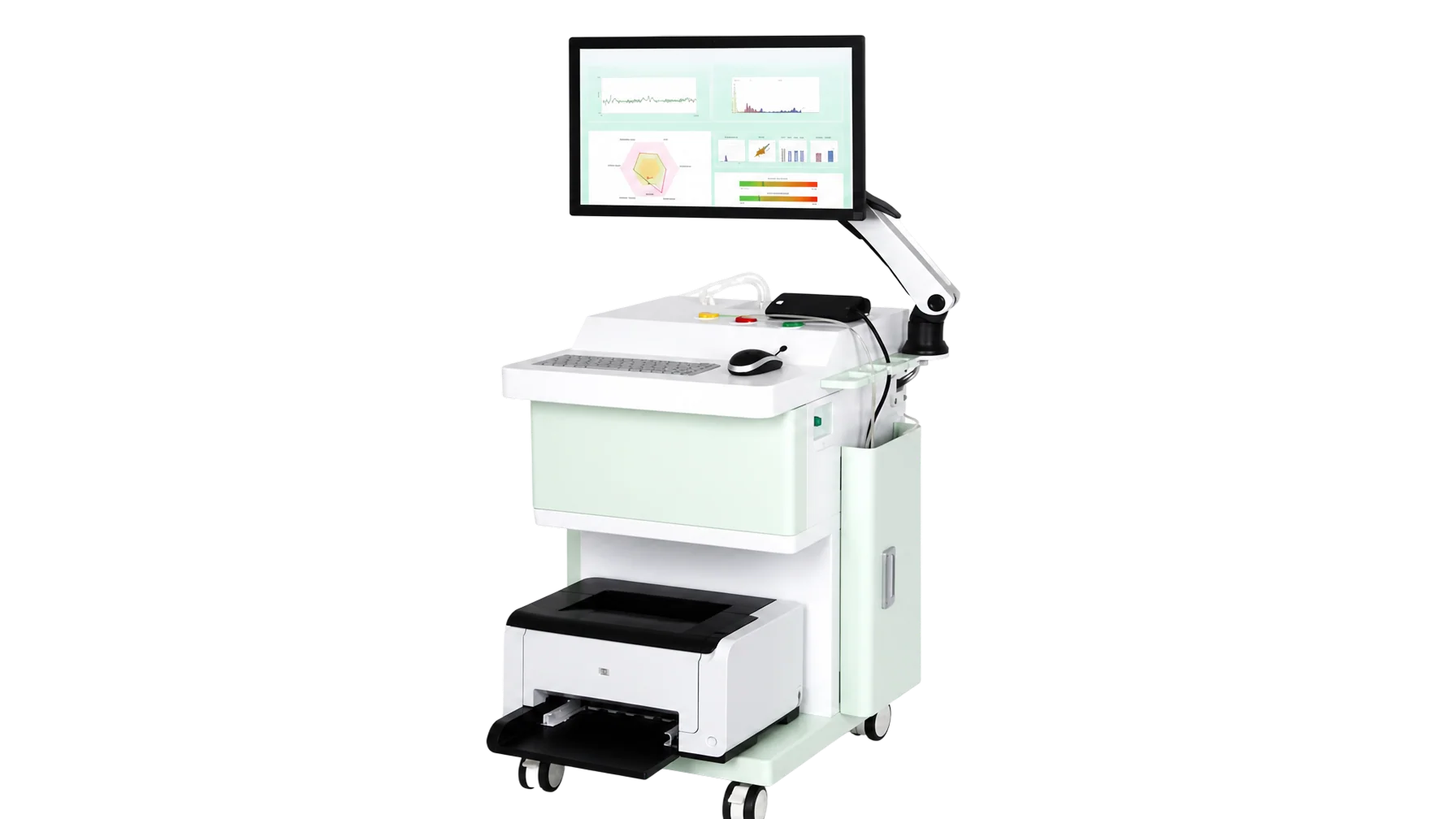
The tilt table test establishes whether it is orthostatic hypotension or postural tachycardia, and management differs accordingly.
Recurrent fainting, fainting with injury from the fall, and fainting during exercise in particular may be cardiac in origin and must first be excluded by ECG. Since the injury from falling is more dangerous than the faint itself, do not put off finding out why.
Autonomic Dysfunction, what kind of condition is it?
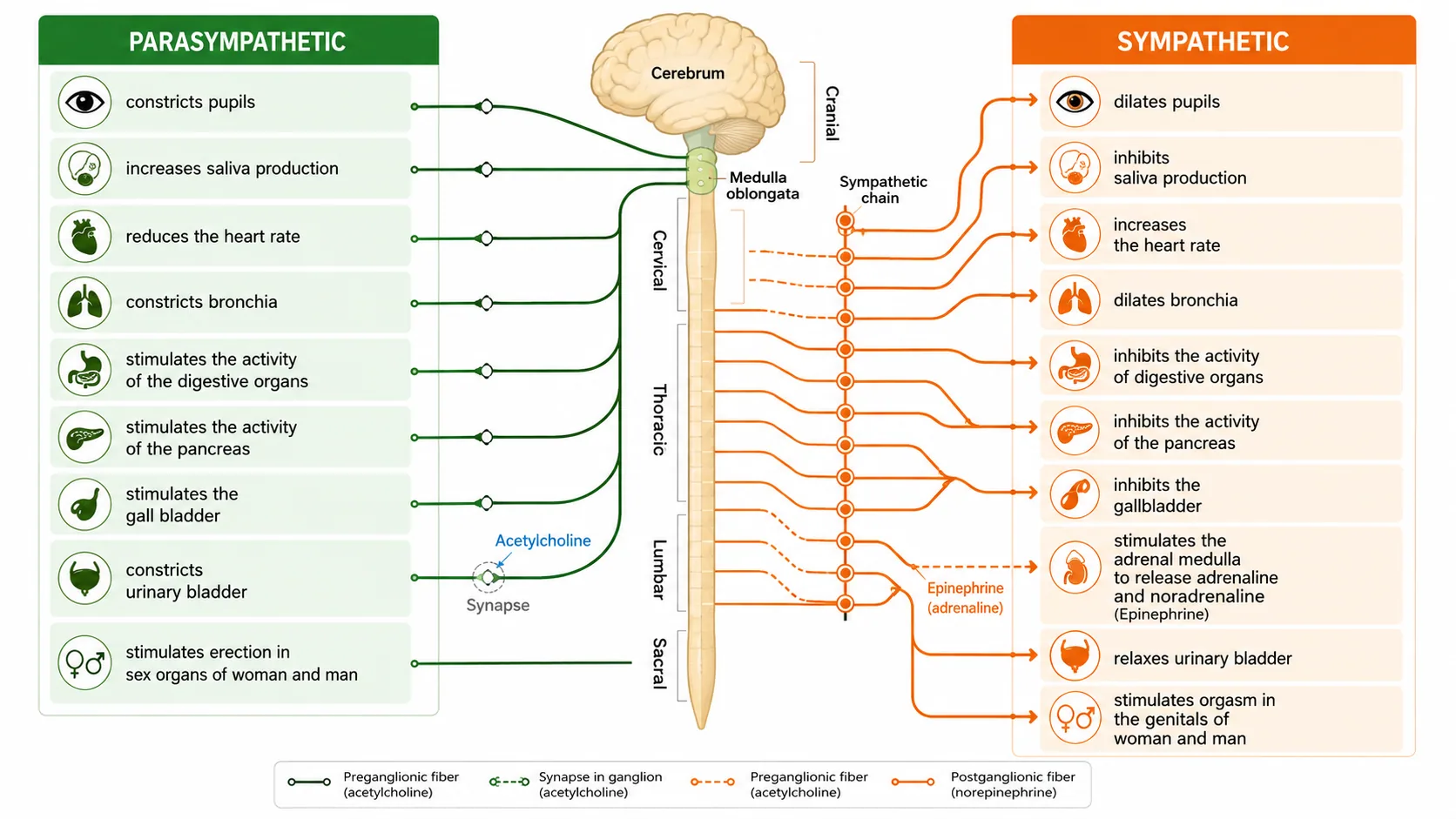
The autonomic nervous system regulates blood pressure, pulse, body temperature, and digestion without our awareness. When that regulation falters, blood vessels fail to constrict in time as you rise from lying down; blood flow to the brain briefly falls short, and you experience blacking out or light-headedness. Management differs depending on whether this is orthostatic hypotension, where blood pressure drops on standing, or postural tachycardia, where blood pressure holds but the pulse rises sharply — a tilt table test distinguishes the two. The foundation of management is increasing fluid and salt intake, correcting how you rise in stages, and strengthening the leg muscles.
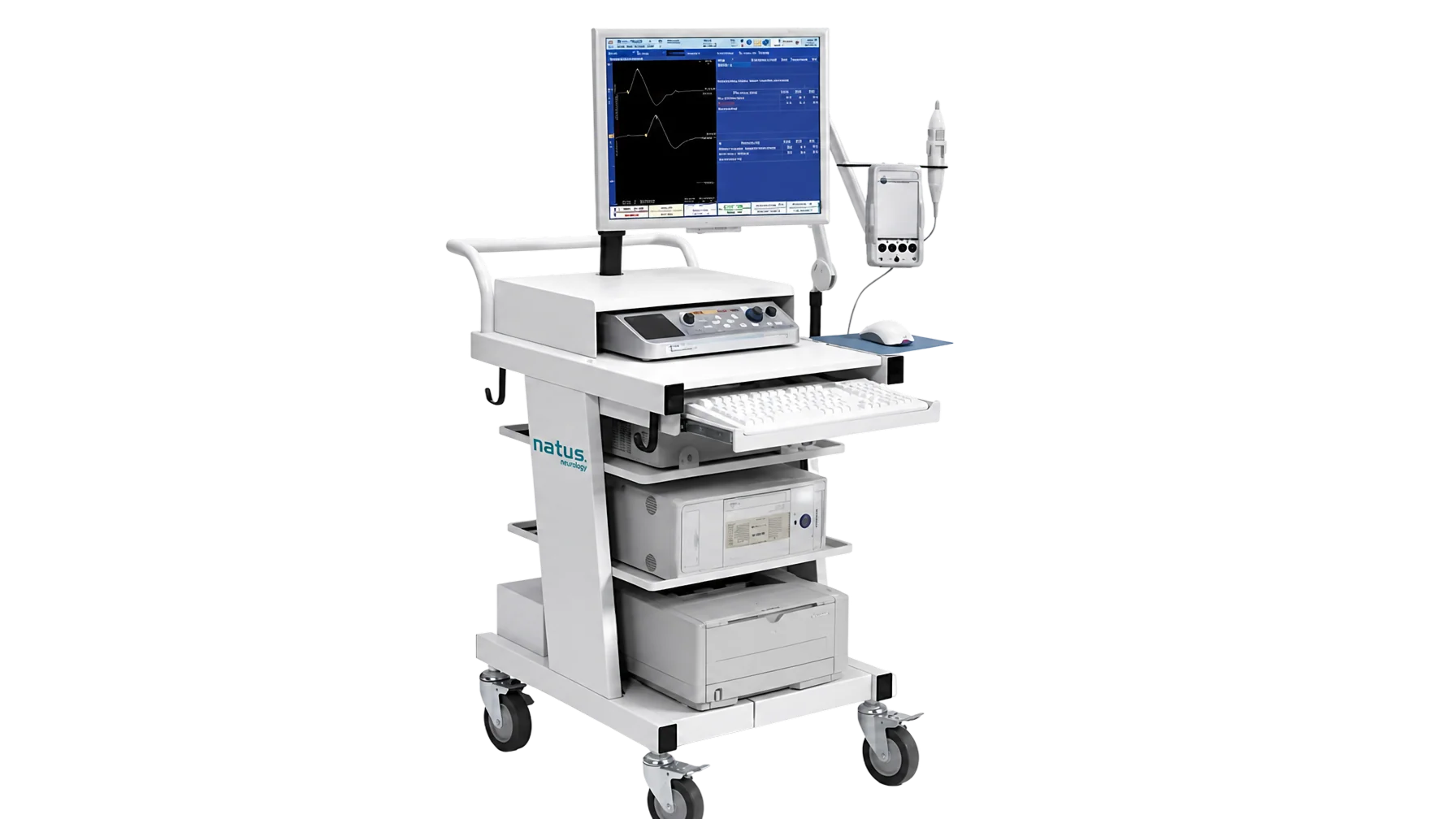
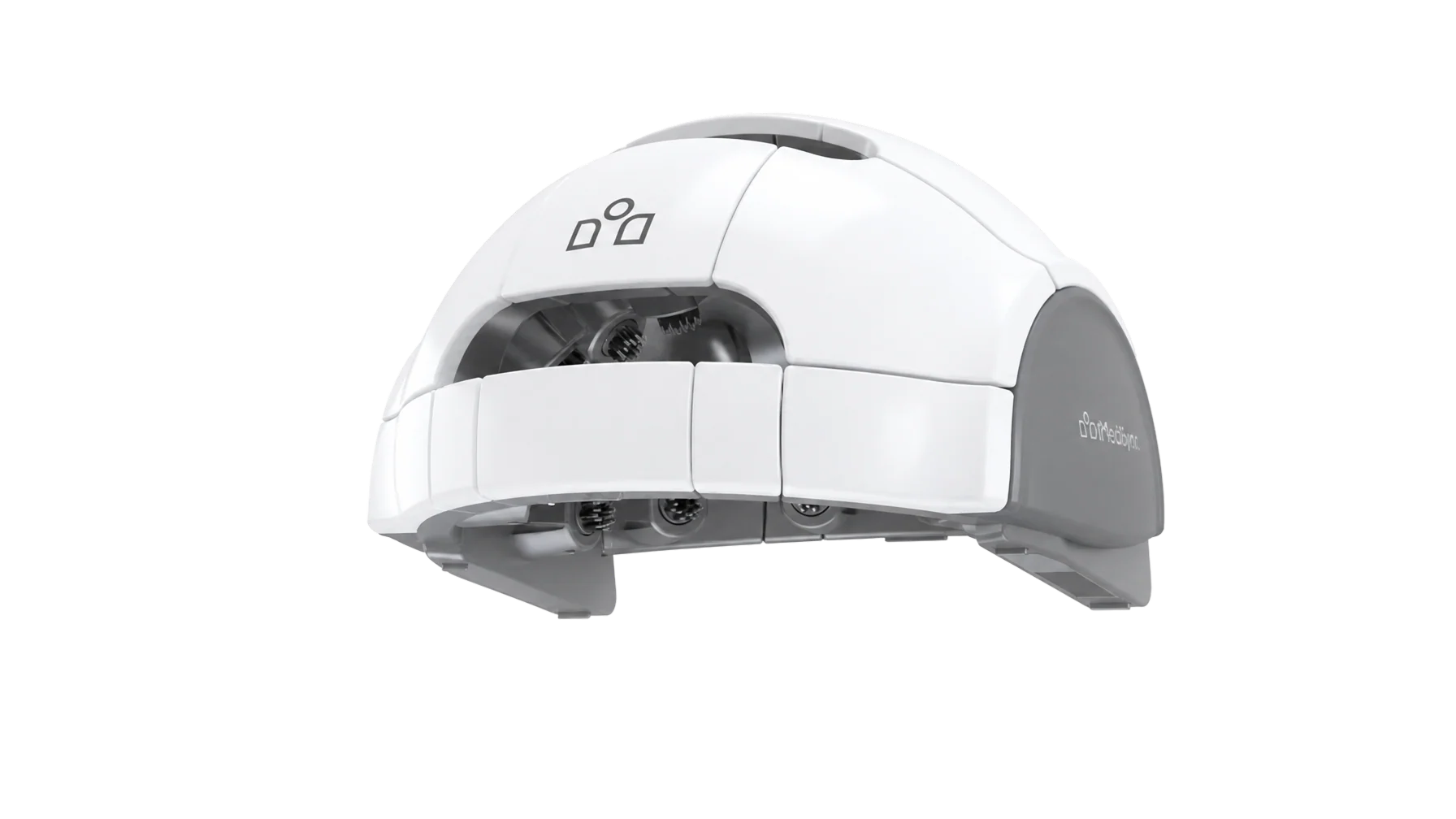
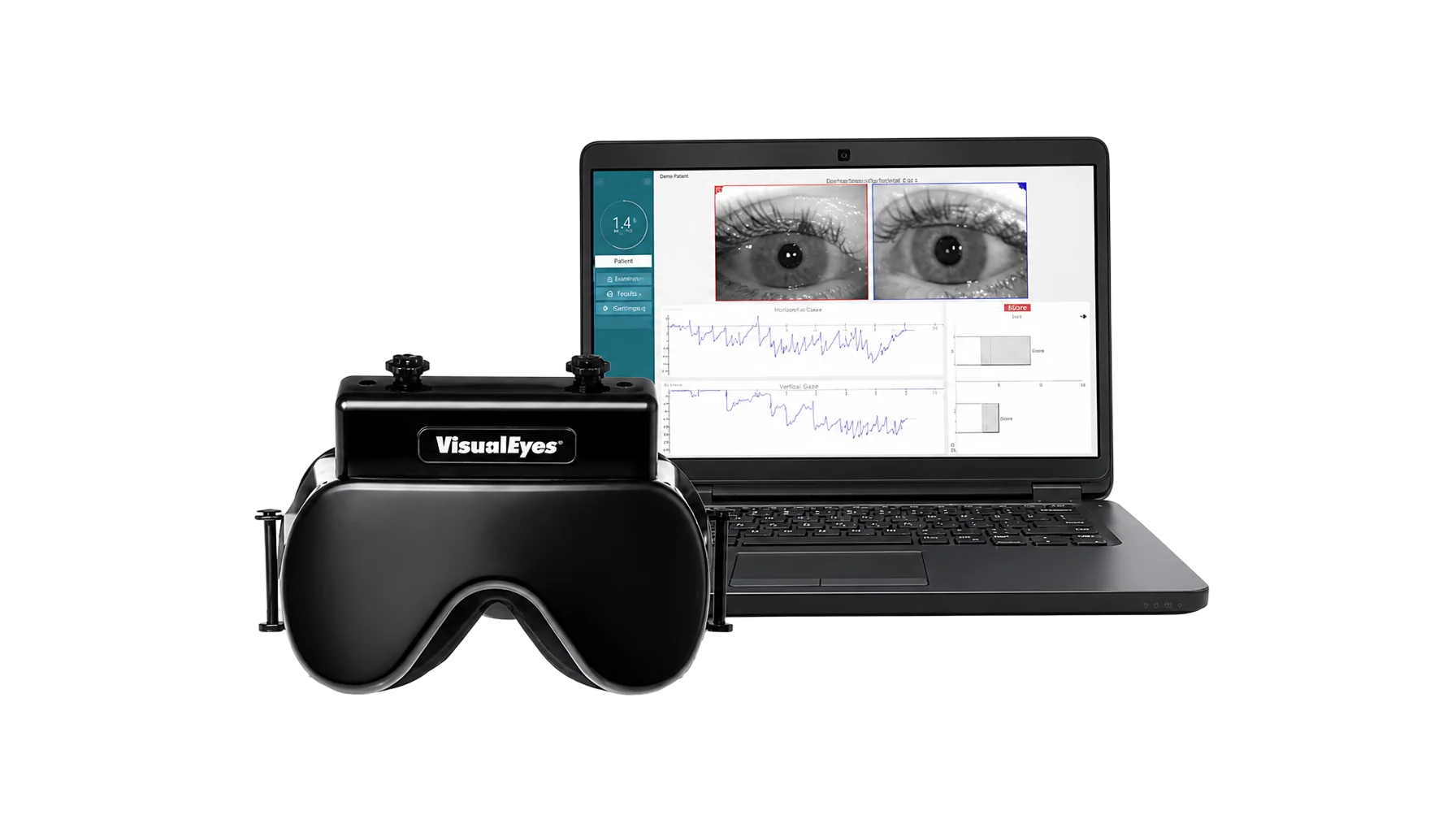
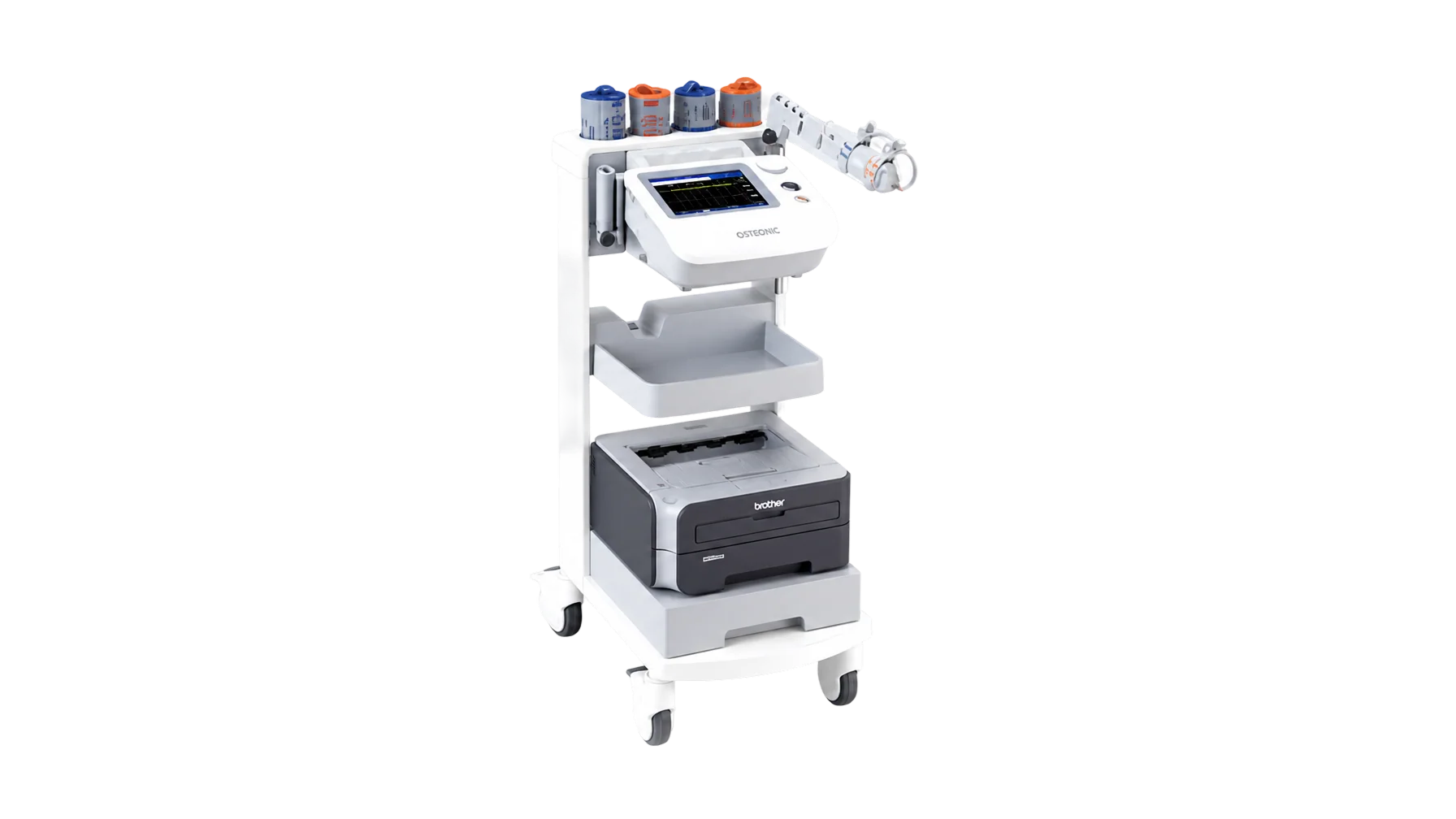
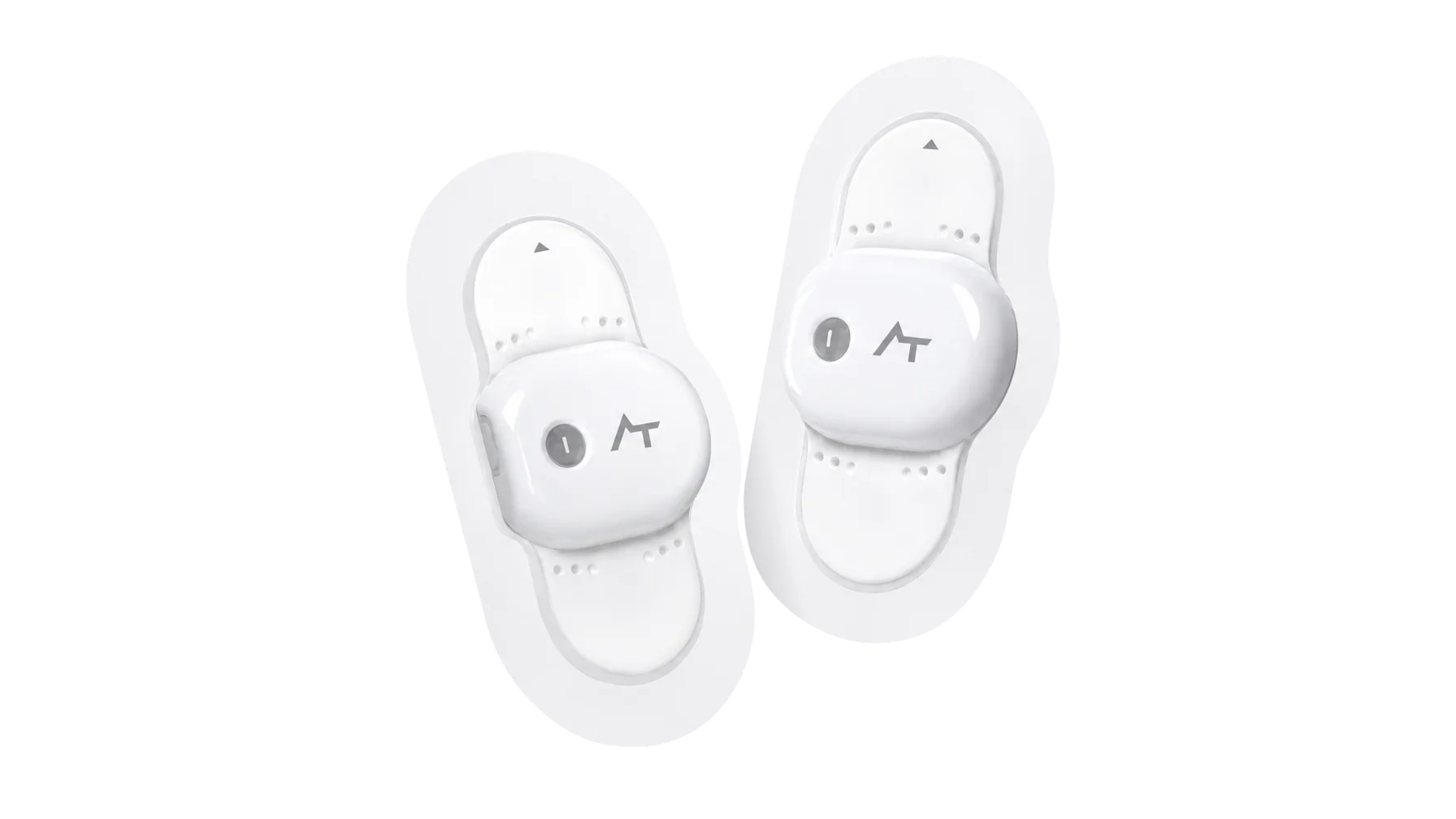
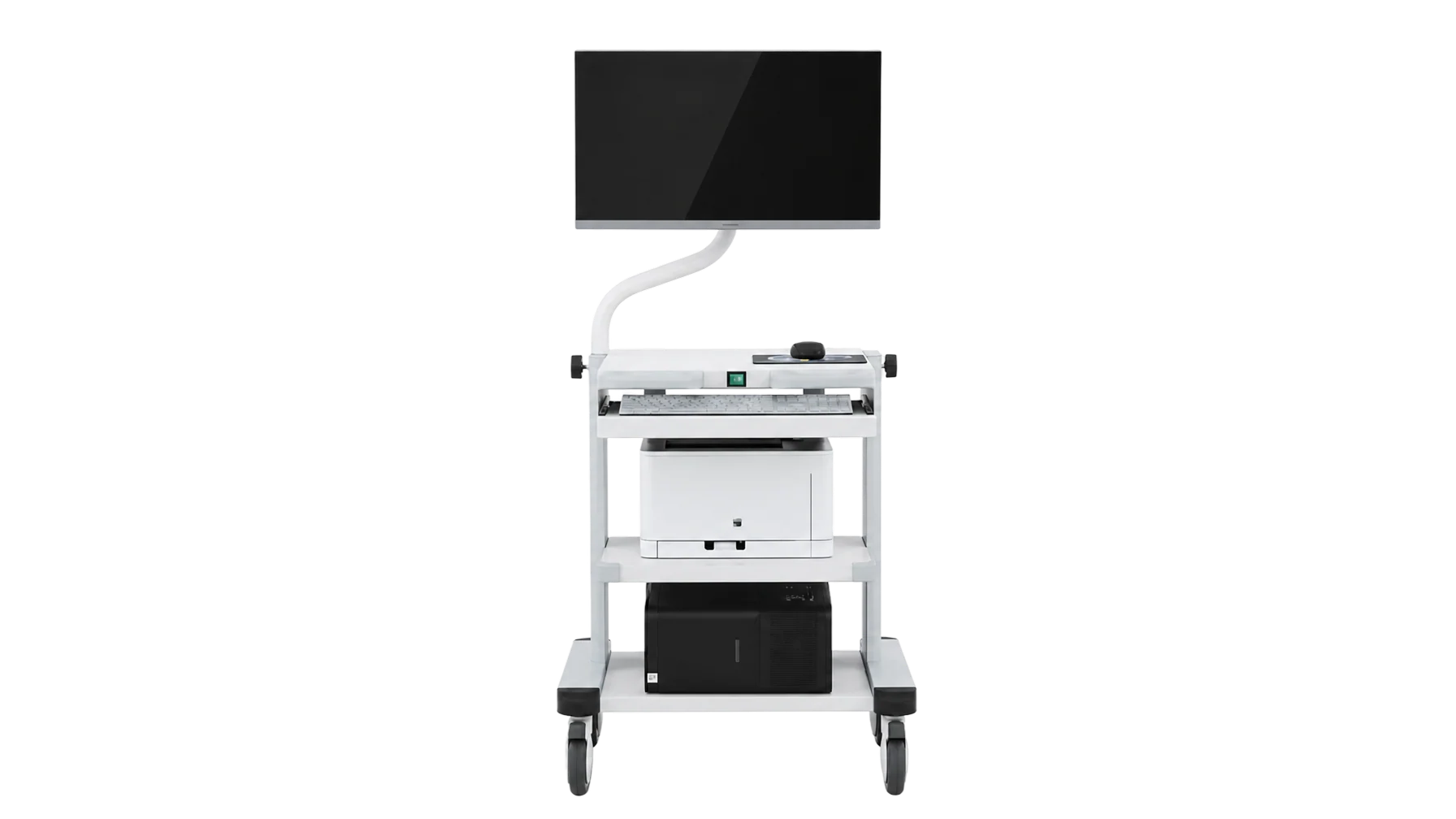
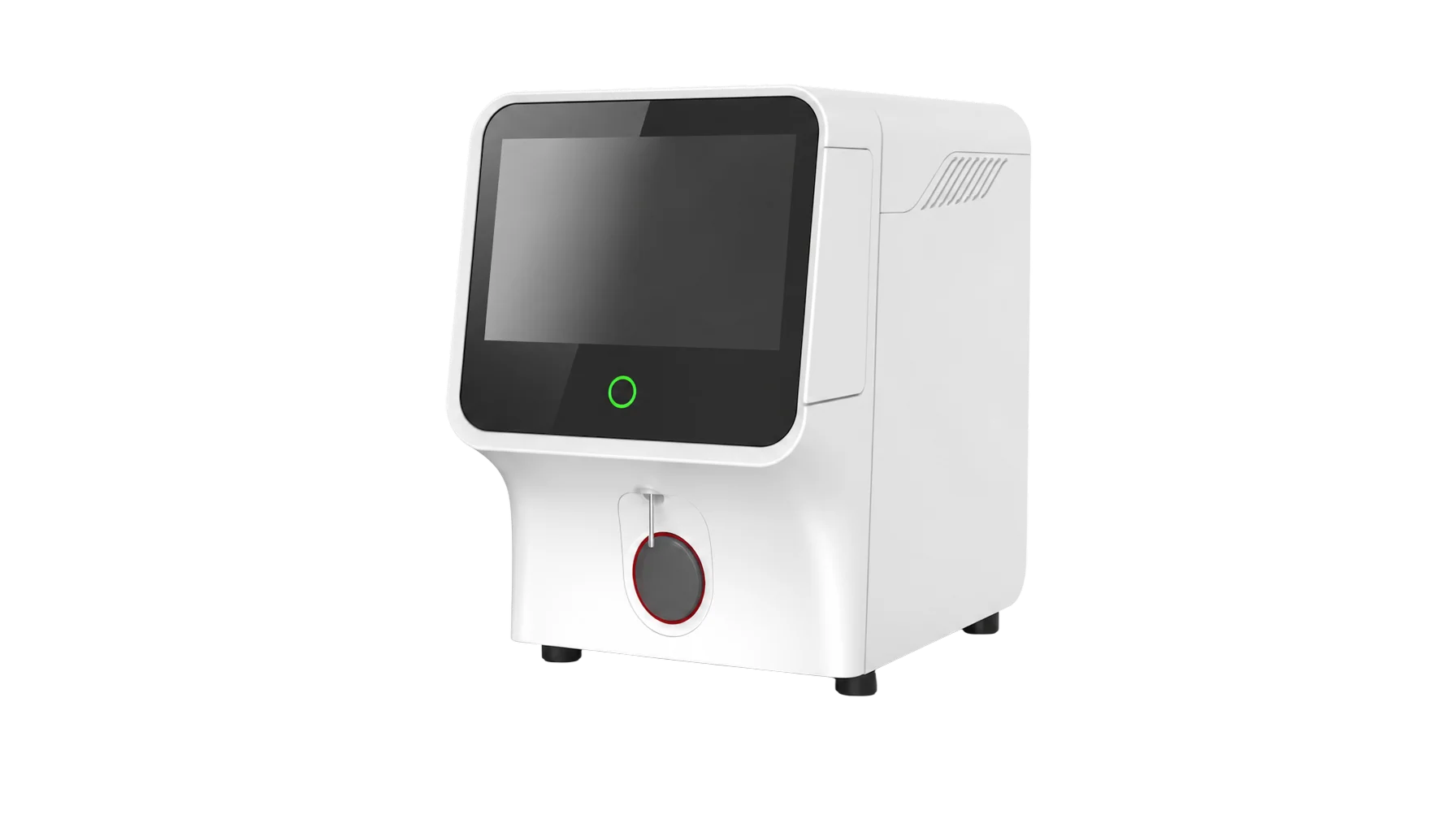
In-clinic Tilt table test · Autonomic Function Test · ECG and blood tests Testing identifies the cause the same day, and
Canalith repositioning · vestibular rehabilitation · autonomic nerve injection — we select only what is needed and proceed step by step.
※ This is general medical information provided for understanding only. Actual diagnosis and treatment are determined by a specialist after examination, based on the individual patient's condition.