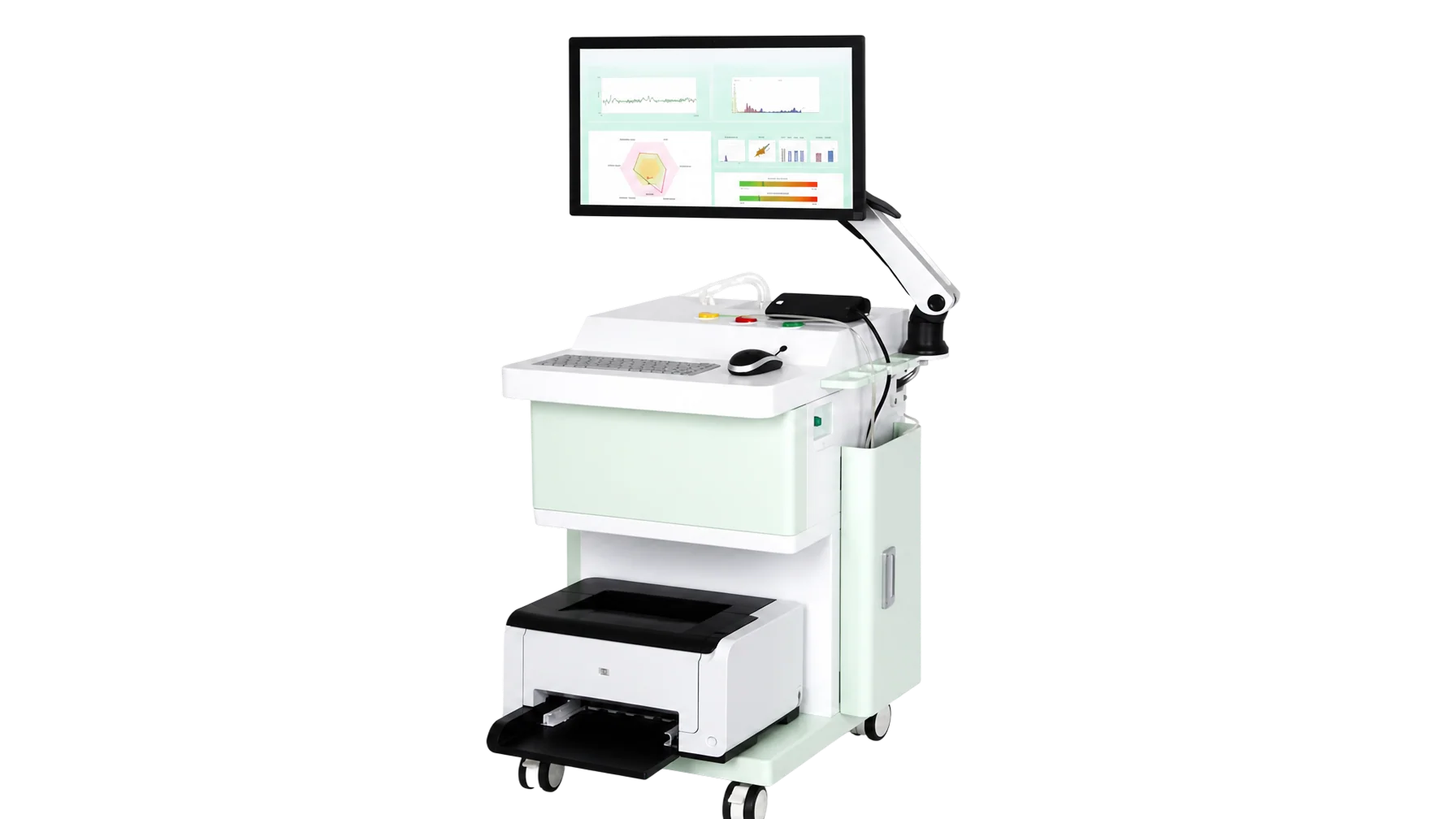
Central Vertigo
It is difficult to distinguish dizziness from a brain lesion (central) from dizziness of ear origin (peripheral)
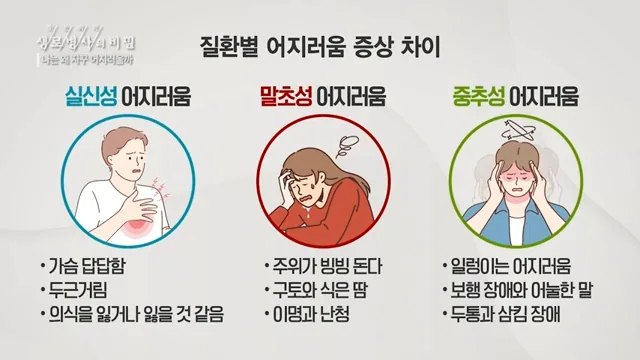
Source : KBS 1TV "The Secret of Life and Death" — Why do I keep feeling dizzy?
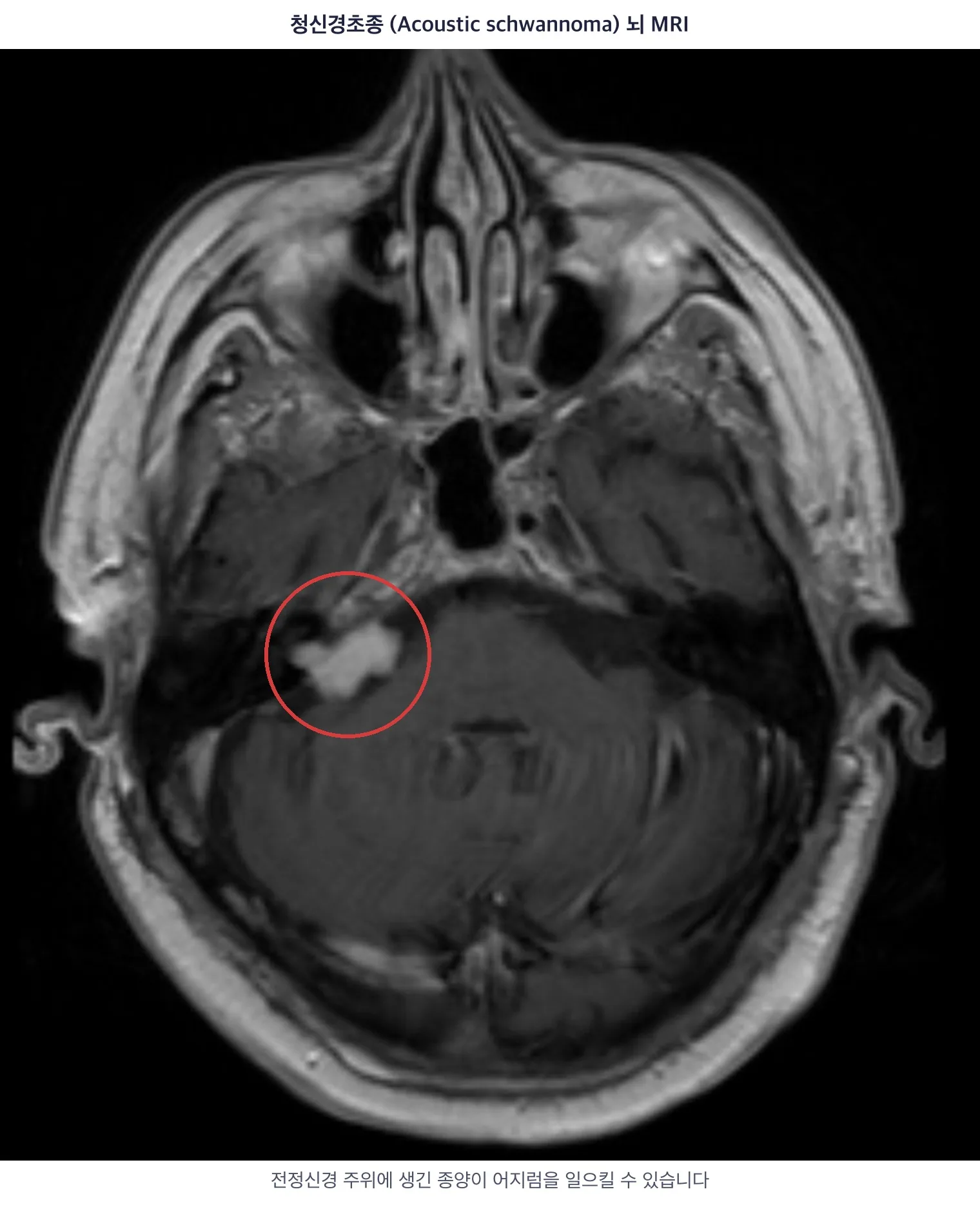
Central vertigo arises from lesions such as stroke or tumor in the cerebellum and brainstem — the centers that detect rotation and tilt of the body. The dizziness itself feels less severe than peripheral vertigo originating in the ear, but relatively marked gait instability is the most common finding. Headache, blurred vision, slurred speech, and limb weakness may also occur, though more often they do not. Without careful examination and testing by a neurologist, distinguishing it yourself is — and this bears emphasizing — extremely difficult.
What are the symptoms suggesting central vertigo?
| Gait disturbance | The dizziness is not severe, but walking is difficult. |
|---|---|
| With headache | Dizziness accompanied by a heavy head or headache. |
| Speech and swallowing difficulty | Speech is slurred, or there is difficulty swallowing food. |
| Reduced sensation · paralysis | Reduced sensation or accompanying paralysis in the face and limbs. |
Tests available at Centum Neurology
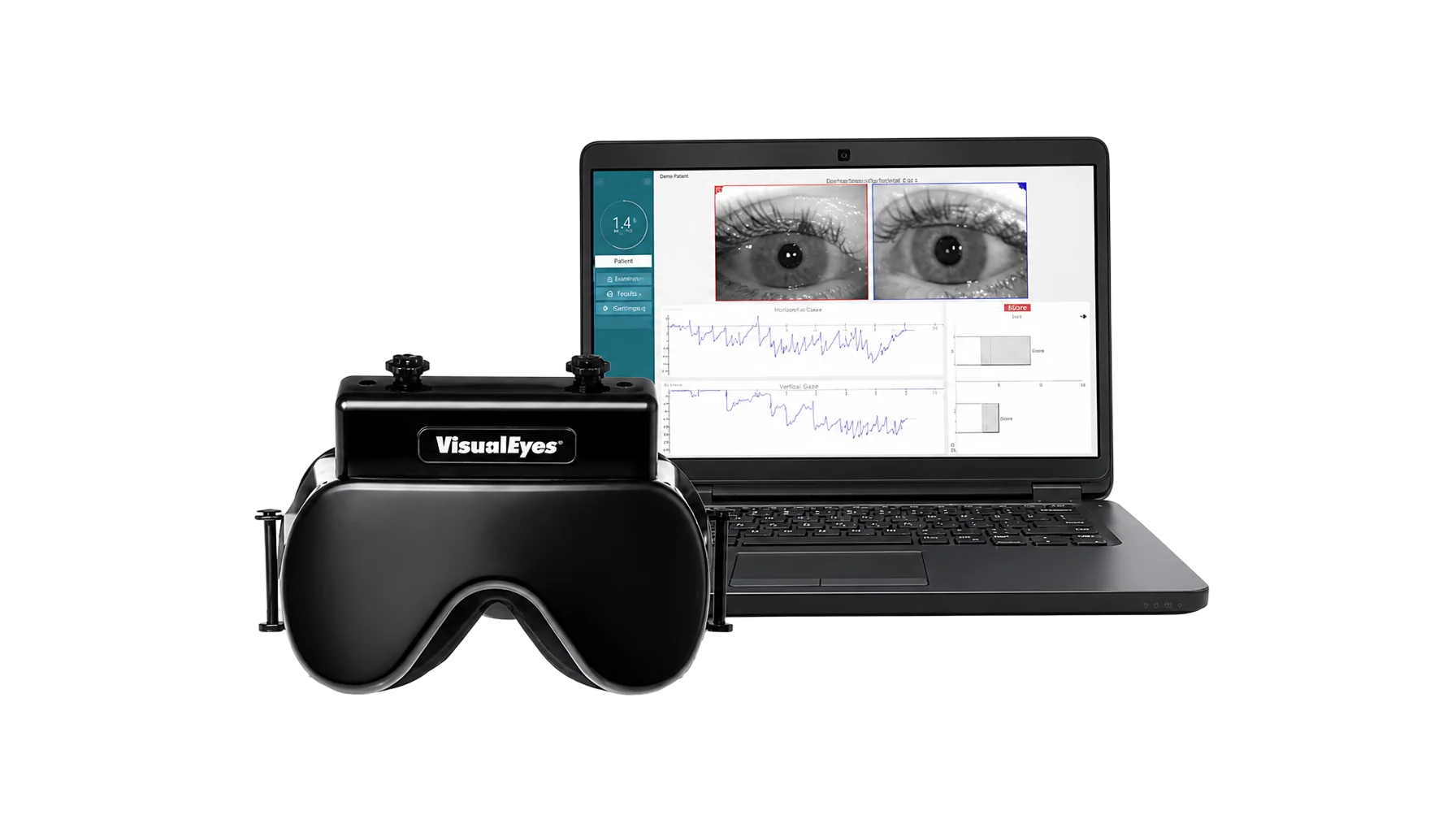
| Video nystagmography | Nystagmus of peripheral and central origin can be distinguished |
|---|---|
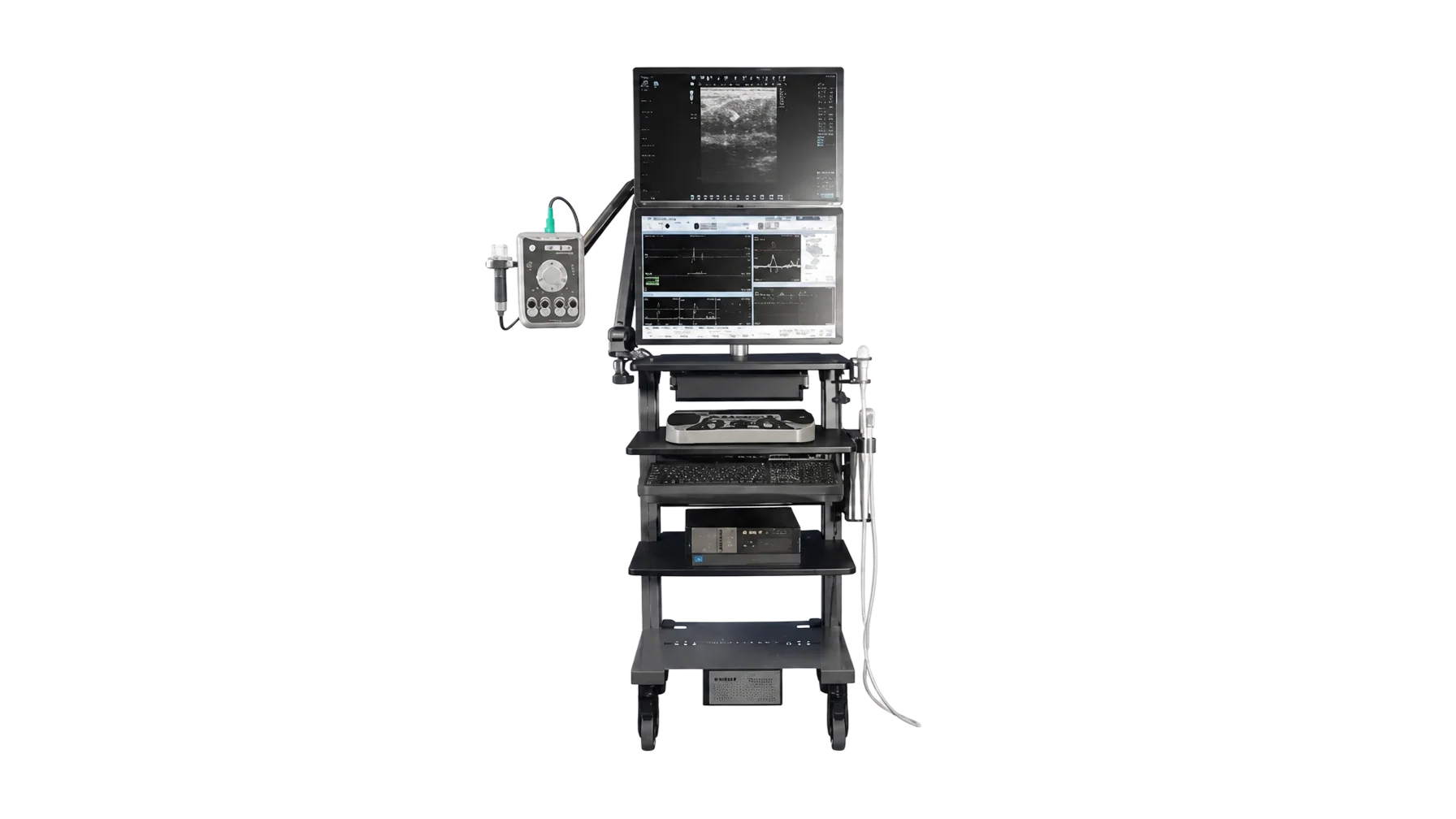
| Vestibular Function Test | A simple stimulus through the ear checks for declining vestibular nerve function |
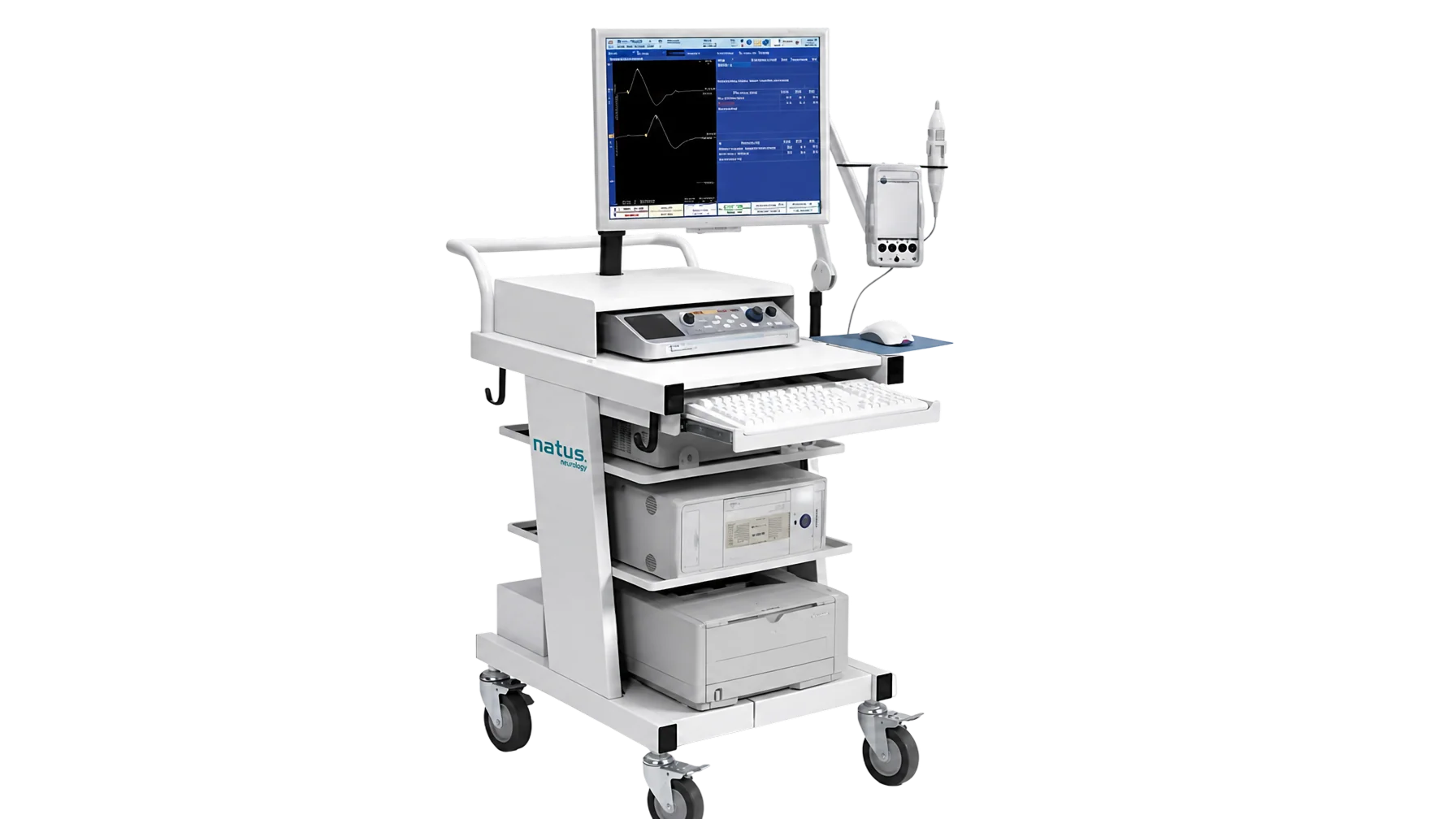
| Evoked potential test | Checking the response to safe electrical stimulation reveals declining cranial nerve function |
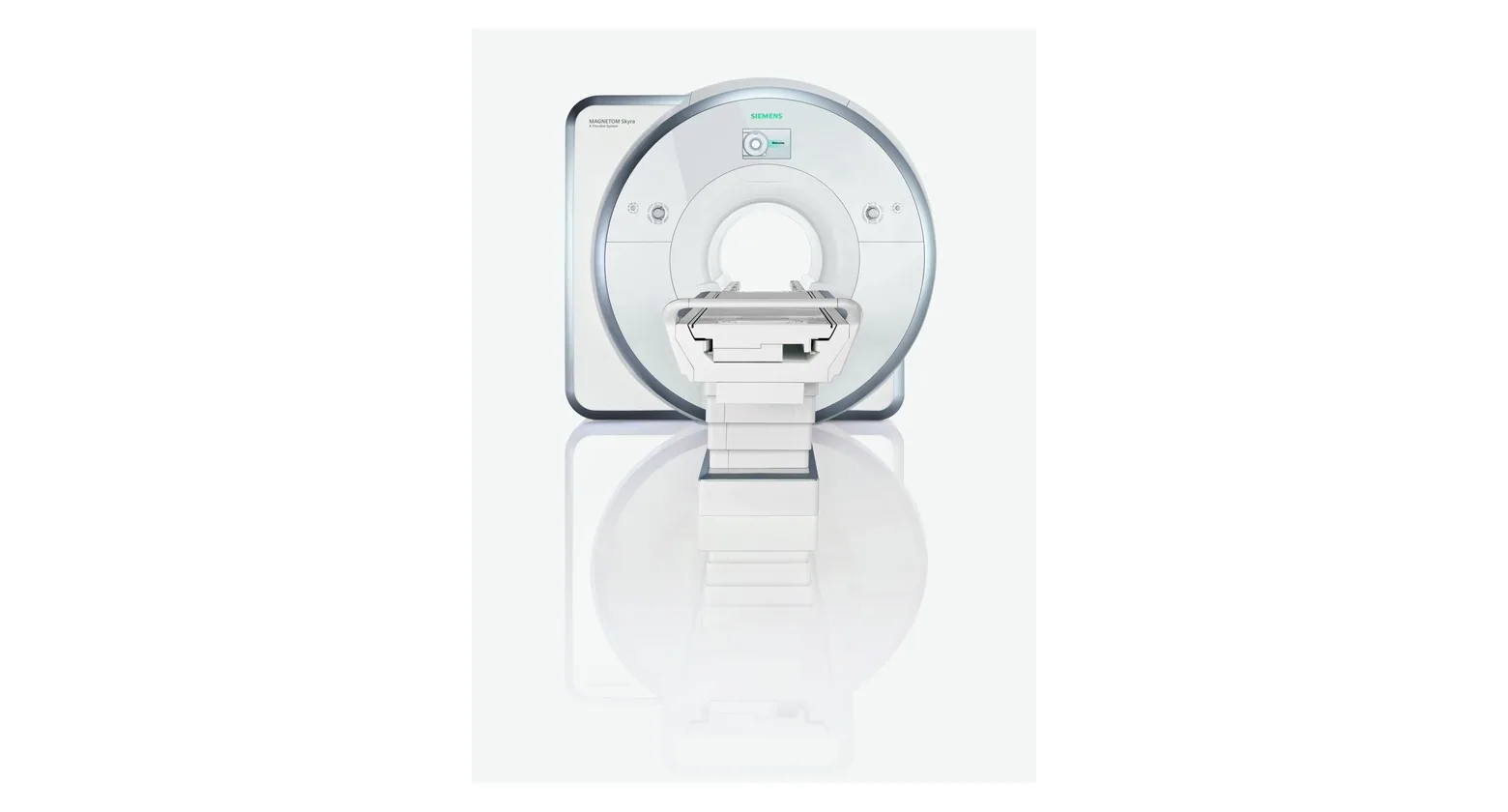
| Brain MRI | Identifies brain lesions causing dizziness |
※ This is general medical information provided for understanding only. Actual diagnosis and treatment are determined by a specialist after examination, based on the individual patient's condition.