Vestibular Neuritis
Vestibular neuritis — severe spinning vertigo lasting for days
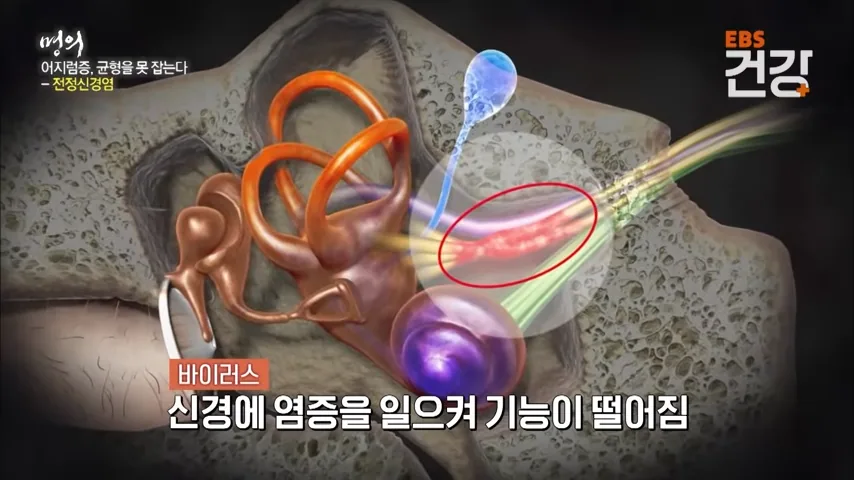
Source : EBS "Myeongui"
Vestibular neuritis is caused by inflammation of the vestibular nerve, which connects the vestibular organ of the ear to the brain. Vestibular nerve function declines and the sense of balance collapses severely. Spinning vertigo with nausea and vomiting continues for hours to days, and moving about and daily life are usually difficult.
Unlike BPPV, in which brief spinning vertigo occurs on changing position, the dizziness of vestibular neuritis persists regardless of posture.
Because the symptoms closely resemble cerebellar stroke, the two must be distinguished. When the inflammation is severe, the sense of balance may not fully recover, so prompt diagnosis and treatment are needed.
What causes vestibular neuritis, and how is it treated?
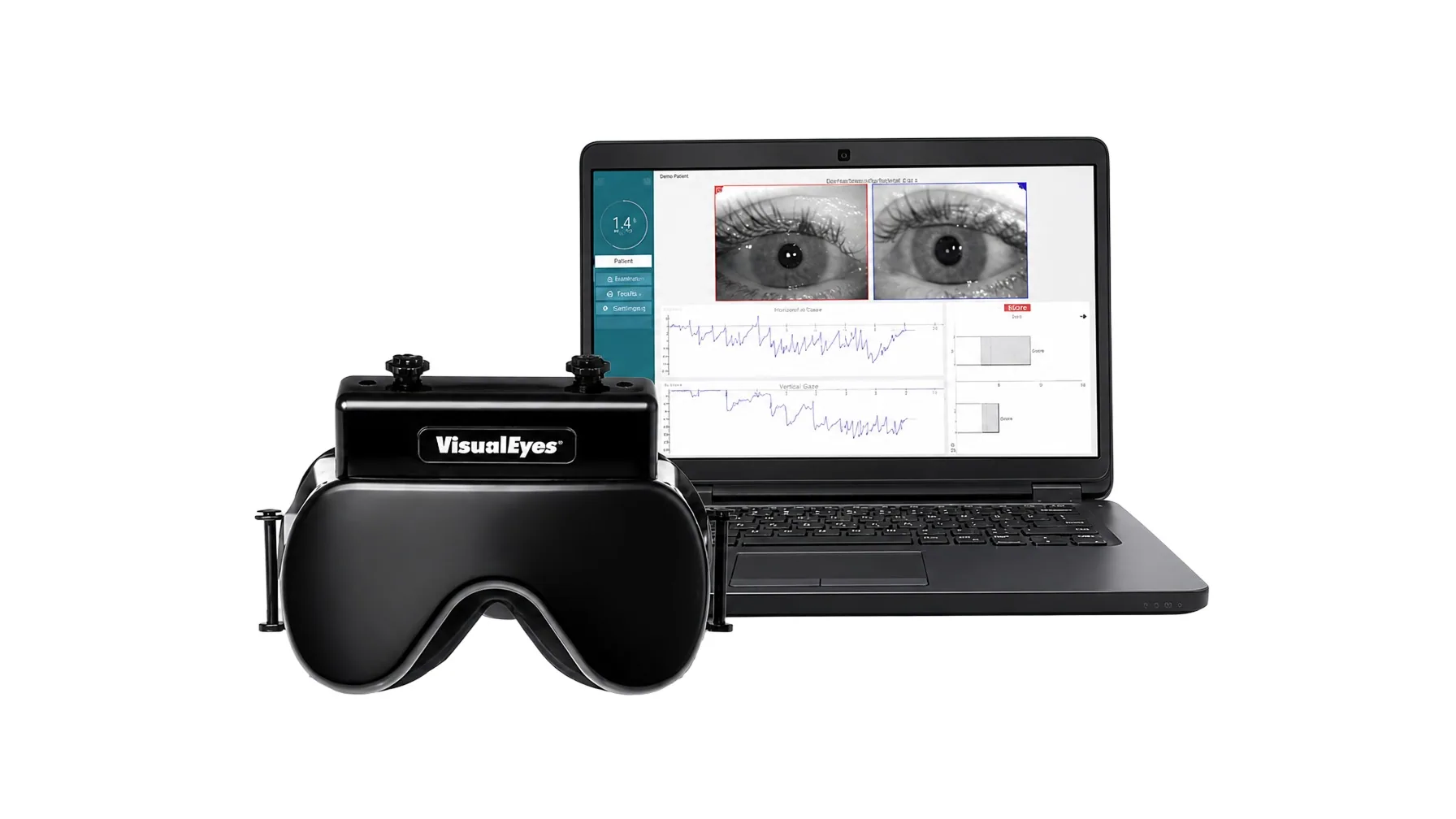
Causes include viral infection of the vestibular nerve, reduced blood supply, accumulated sleep deprivation and overwork, and lowered immunity. Severe spinning vertigo and vomiting continue for hours to days, so treatment to ease the symptoms and the vomiting is essential.
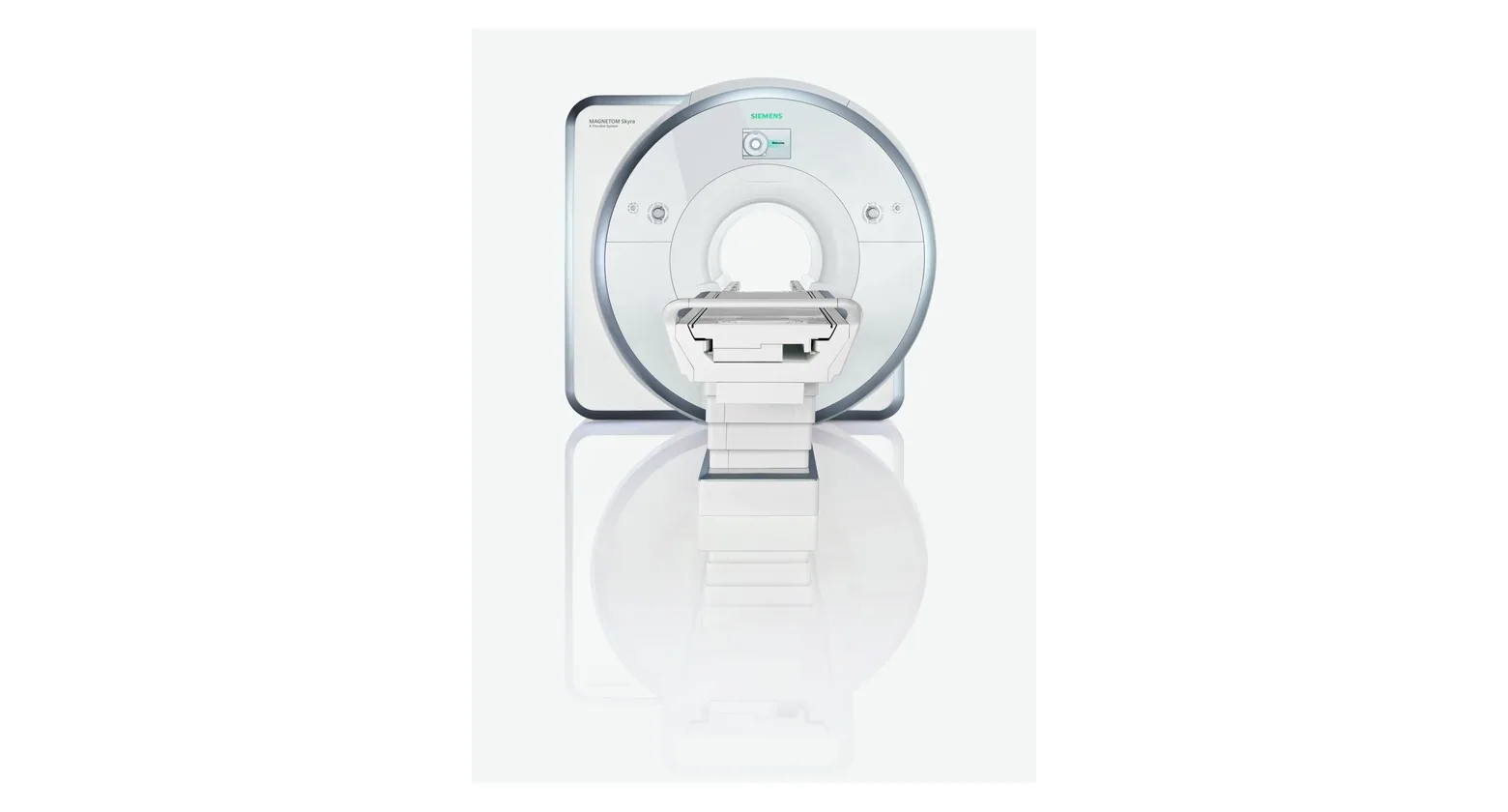
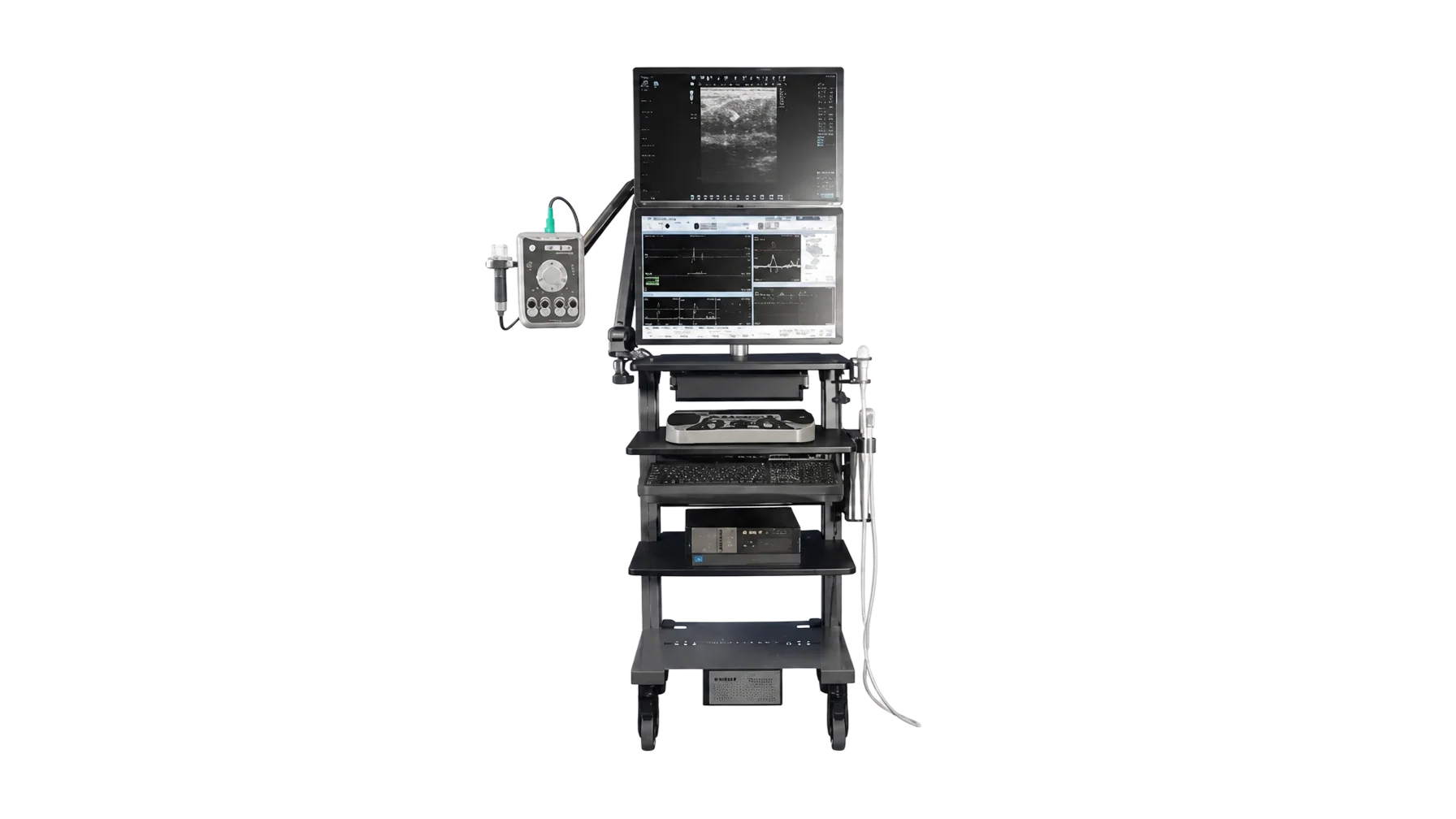
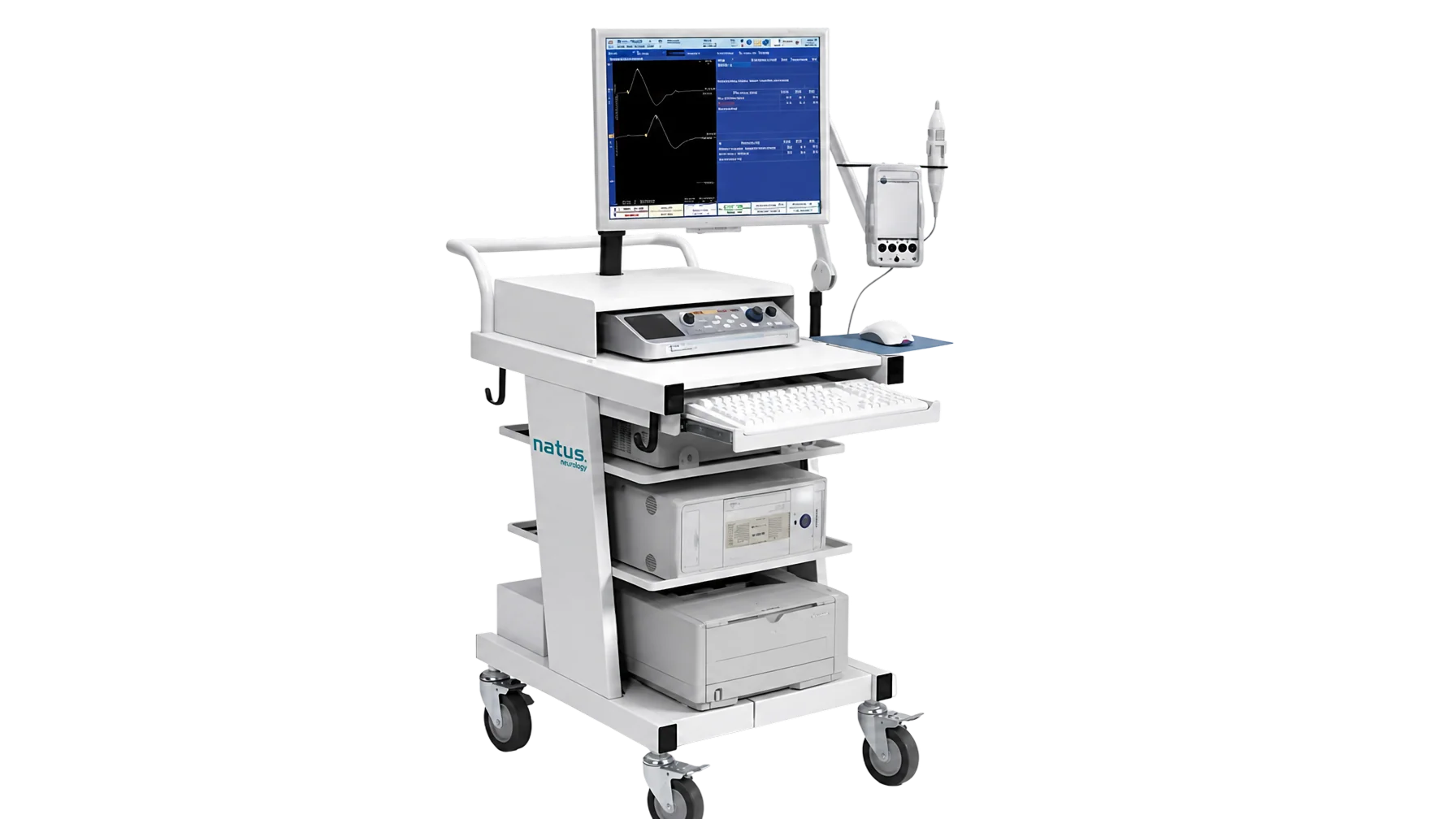
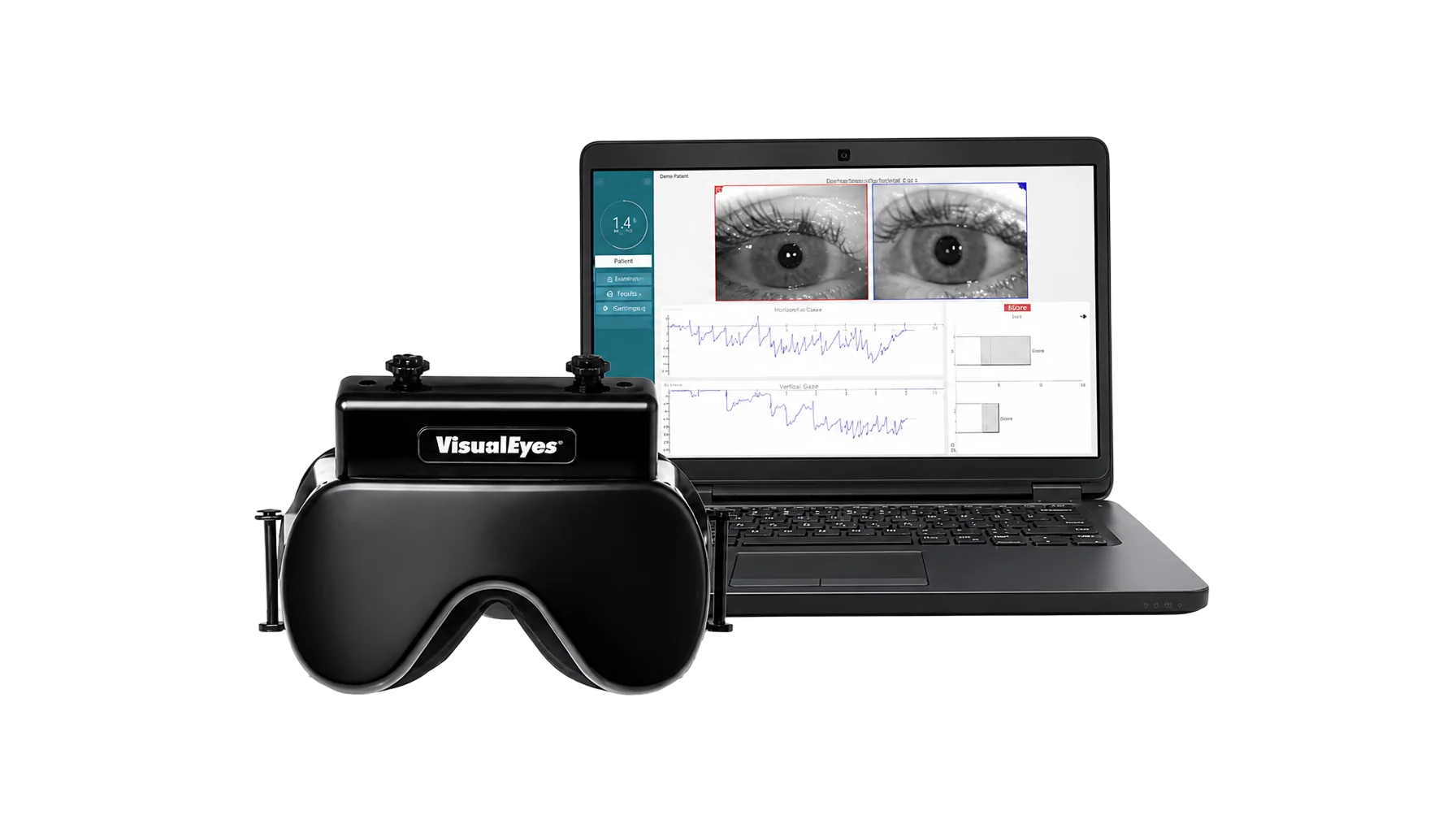
Video nystagmography, video head impulse testing (vHIT), and caloric testing distinguish other forms of peripheral nystagmus and identify imbalance between left and right vestibular function. Brain MRI is performed when a brain disorder such as cerebellar or brainstem stroke is suspected.
At Centum Neurology we combine the best available treatments — fluids and medication, vestibular rehabilitation, and others — to help vestibular function recover as quickly as possible.
※ This is general medical information provided for understanding only. Actual diagnosis and treatment are determined by a specialist after examination, based on the individual patient's condition.