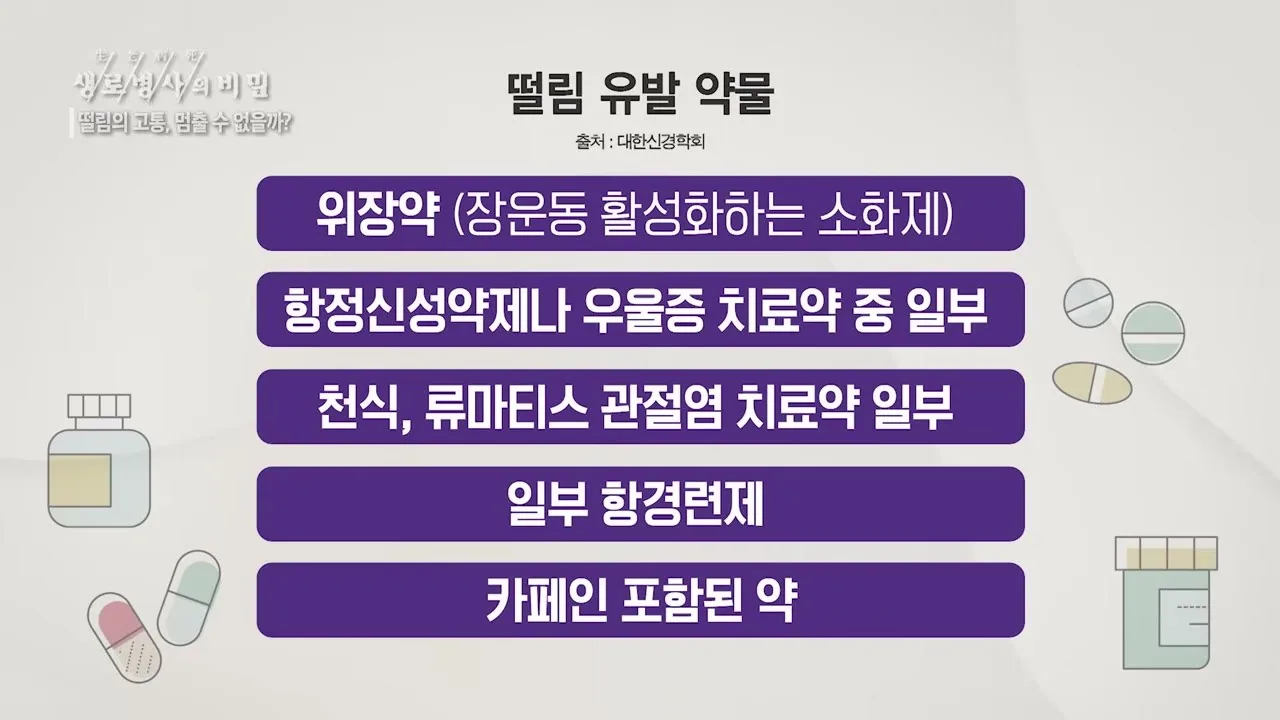
Source : KBS 1TV "The Secret of Life and Death" · Source: Korean Neurological Association
Tremor is not exclusive to Parkinson's disease. The cause differs by where and when the shaking occurs; the three main types are as follows.
Essential tremor — the hand shakes at the moment of doing something, such as grasping an object or writing.
Facial twitching (hemifacial spasm) — the muscles on one side of the face twitch and contract independently of will.
Eyelid twitching (blepharospasm) — the muscles around the eye twitch repeatedly, and in severe cases opening the eye becomes difficult.
Because treatment is opposite when the cause differs, if tremor keeps recurring start by finding out why.
Facial twitching
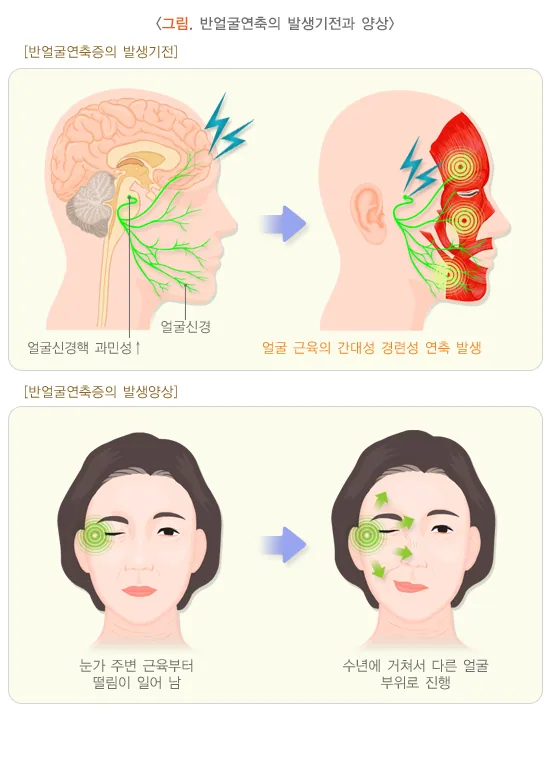
Source : KDCA National Health Information Portal
It most often arises from compression by a vessel lying close to the facial nerve; irritation of the nerve induces hyperexcitability in the facial nucleus, and this abnormal excitability produces clonic spasmodic twitching of the muscles on one side of the face.
A tumor, arteriovenous malformation, or a skull condition such as Paget's disease can compress the facial nerve and produce symptoms; neurological disorders such as stroke or multiple sclerosis can also be responsible.
Hemifacial spasm occurs more often in women than men, and mainly in the forties and fifties. Onset before the forties is uncommon, so when it occurs, other neurological conditions should be ruled out.
Hand tremor (essential tremor)
What are the symptoms?
Hand tremor refers to shaking that appears in the hands. Tremor can occur not only in the hands but also in the head, neck, jaw, tongue, and voice, and rarely in the legs and feet. Parkinson's disease, parkinsonian syndromes, cerebellar tremor, medications, and alcohol can all produce tremor. The cause of essential tremor remains unknown, but a family history is often present.
How does it differ from Parkinson's tremor?
Essential tremor characteristically worsens when the hand exerts force, and eases when the person is calm or has had alcohol. Hand tremor from Parkinson's disease, by contrast, worsens when the hand is at rest. Essential tremor does little harm to health, but others may mistake the shaking hands or nodding head for nervousness, which can make social life difficult.
Diagnosis
Several tests are used in diagnosing hand tremor. Blood testing is used to determine whether secondary factors such as hyperthyroidism or hypoglycemia are involved. A neurophysiological study called tremor analysis distinguishes whether the tremor arises from a central nervous system abnormality or is an enhanced physiological tremor. Alongside this, detailed examination differentiates tremor caused by Parkinson's disease.
Treatment
Essential tremor rarely resolves on its own and there is no curative medication, but medication that eases the symptoms can make daily life comfortable. Because the drugs used can lower blood pressure and slow the pulse, we manage symptoms by monitoring the patient's condition as they are administered.
Blepharospasm
What are the symptoms?
Blepharospasm is a form of focal dystonia in which both eyes close involuntarily. It results from spasmodic contraction of the orbicularis oculi muscle.
What makes the symptoms worse?
Eyelid spasm is aggravated by bright light, polluted air, and stress, and disappears during sleep. Difficulty with driving, reading, and watching television can become a considerable obstacle to social and working life.
Treatment
Symptoms may improve in response to clonazepam, anticholinergics, or anticonvulsants, but more recently botulinum toxin (Botox) is injected locally for treatment.
Classification by cause
Idiopathic
Cases arising without any particular cause
Secondary
Cases arising secondarily from a structural brain lesion
Causes of secondary tremor
Compression by a vessel
Compression by a mass
Neurological conditions such as stroke or multiple sclerosis
Damage to the facial nerve, such as from trauma or Bell's palsy (paralysis caused by viral infection of the facial nerve)
Diagnosis and testing
The main symptom of hemifacial spasm is involuntary contraction of facial muscles; fatigue, anxiety, and reading can trigger or worsen it. To distinguish it from other kinds of involuntary eyelid movement, neurophysiological studies such as blink reflex testing, facial nerve conduction study, and EMG are needed. If a condition compressing the facial nerve is suspected, brain MRI is performed, and if vascular compression is suspected as the cause, angiography or MR angiography is reviewed alongside it.
Related conditions
In some cases the neck muscles move continuously and repeatedly along with one half of the face, or unrelated areas such as the shoulder or head move together with it. This is a different condition from hemifacial spasm, so treatment differs by cause, and brain imaging together with neurophysiological studies such as nerve conduction and EMG may be required.
Treatment — medication
When the spasms are relatively infrequent or early symptoms are mild, medication may be tried. Anticonvulsants such as carbamazepine, benzodiazepines such as clonazepam, and GABAergic muscle relaxants are used. However, the effect of medication can weaken over time, so treatment such as surgery or botulinum toxin injection may become necessary.
Treatment — non-pharmacological
Botulinum toxin injection — EMG is used to locate the contracting muscle, which is then injected. The procedure is relatively simple and yields good results, making it helpful for patients whose facial muscles contract persistently with severe symptoms. The effect appears within two to five days of injection and lasts about three to six months. Surgical treatment — preferred when the lesion is compressive. Where a vessel presses on the facial nerve as it emerges from the brain, separating nerve from vessel can be effective; this is called microvascular decompression.
※ This is general medical information provided for understanding only. The actual screening items and interpretation of results are determined after consultation with a specialist.
Advanced Equipment
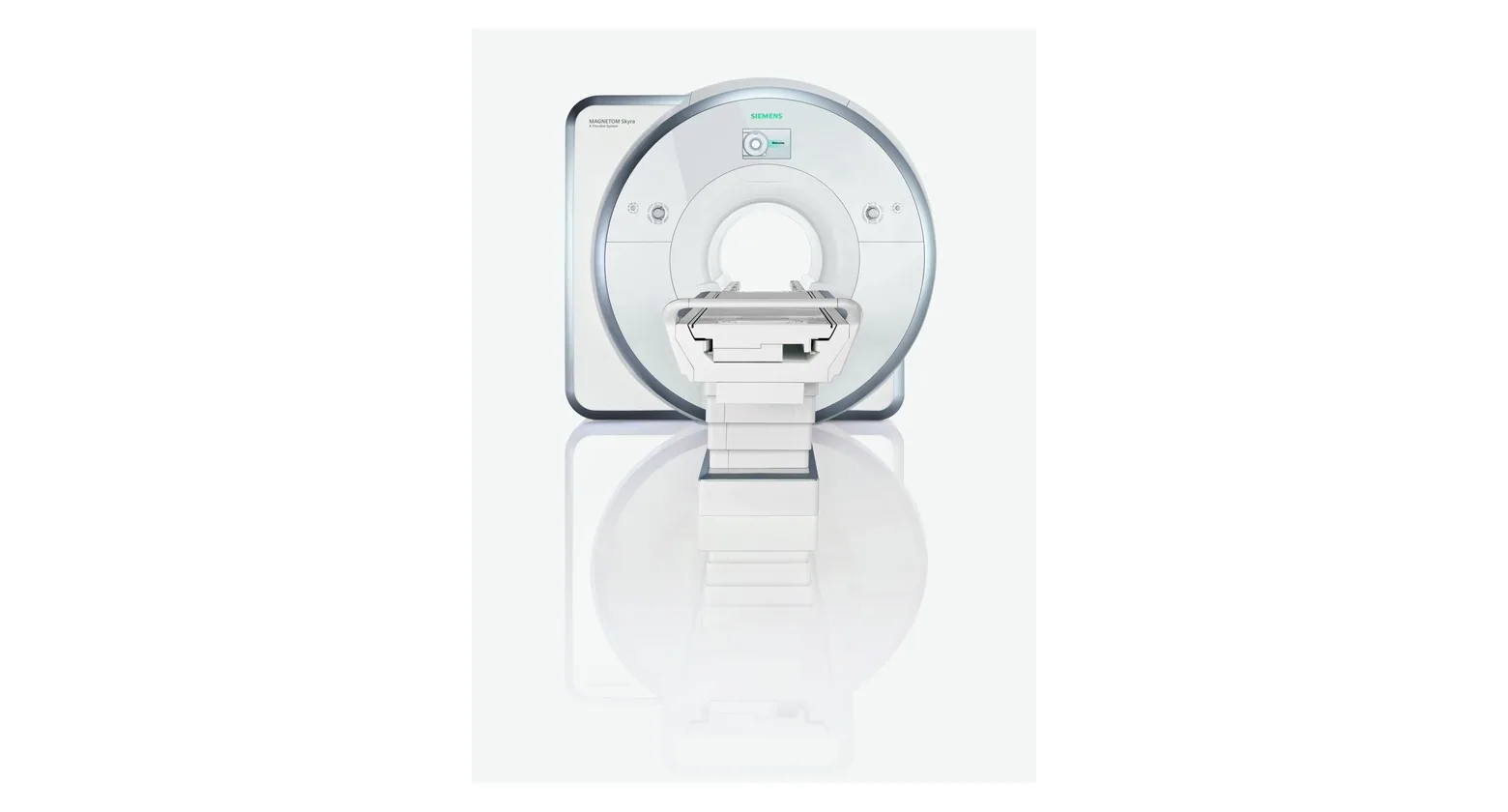
SIEMENS3T AI MRIWe add AI imaging (Deep Resolve) to a proven Siemens 3T MRI to examine neurological conditions faster and more clearly.
MRABrain and carotid MRAIt accurately evaluates the degree of atherosclerosis, stenosis, structural abnormality, and the presence of aneurysm in the vessels of the brain and neck.
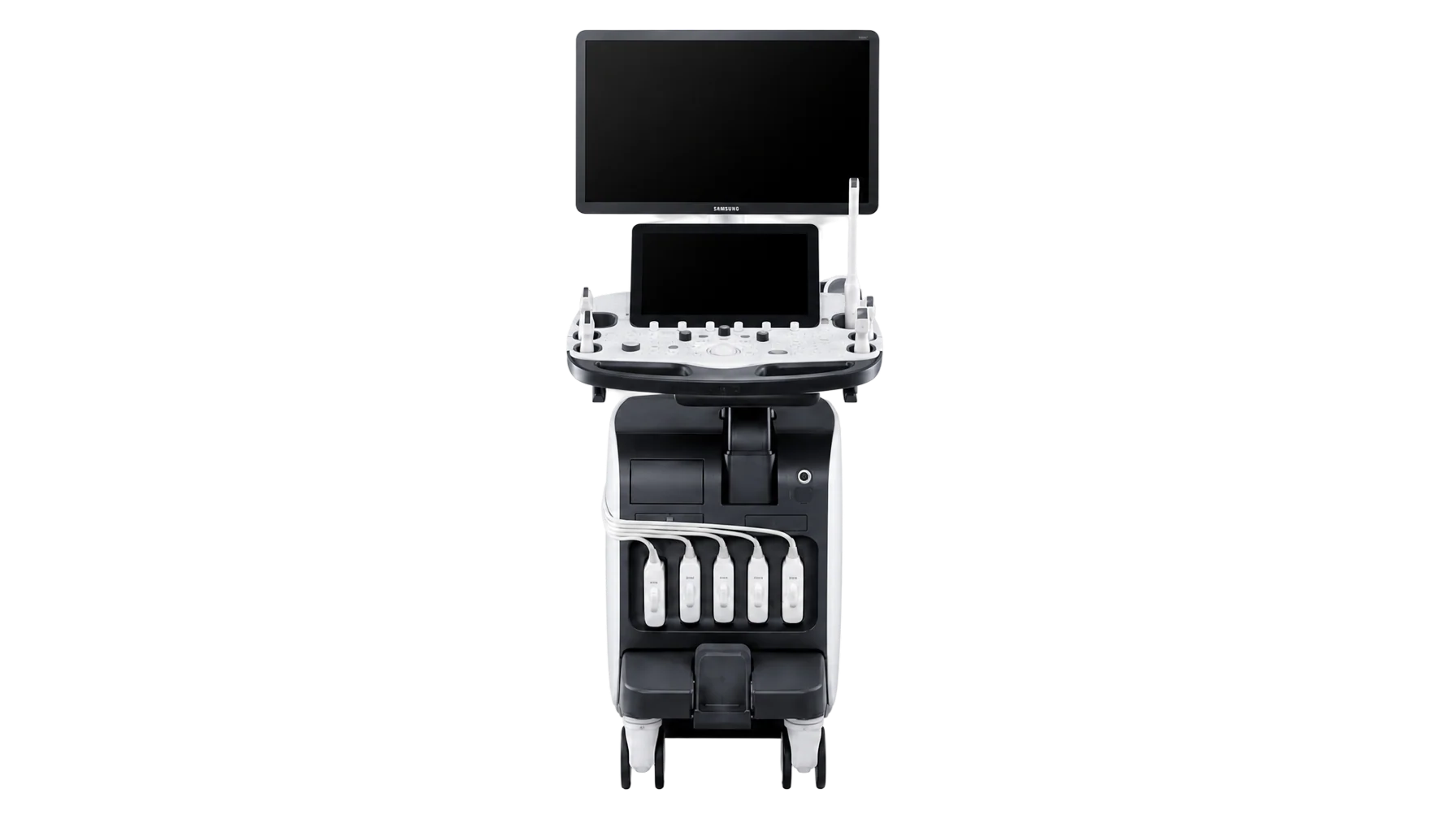
Carotid USCarotid UltrasoundCarotid wall thickness and plaque are examined to assess stroke risk.
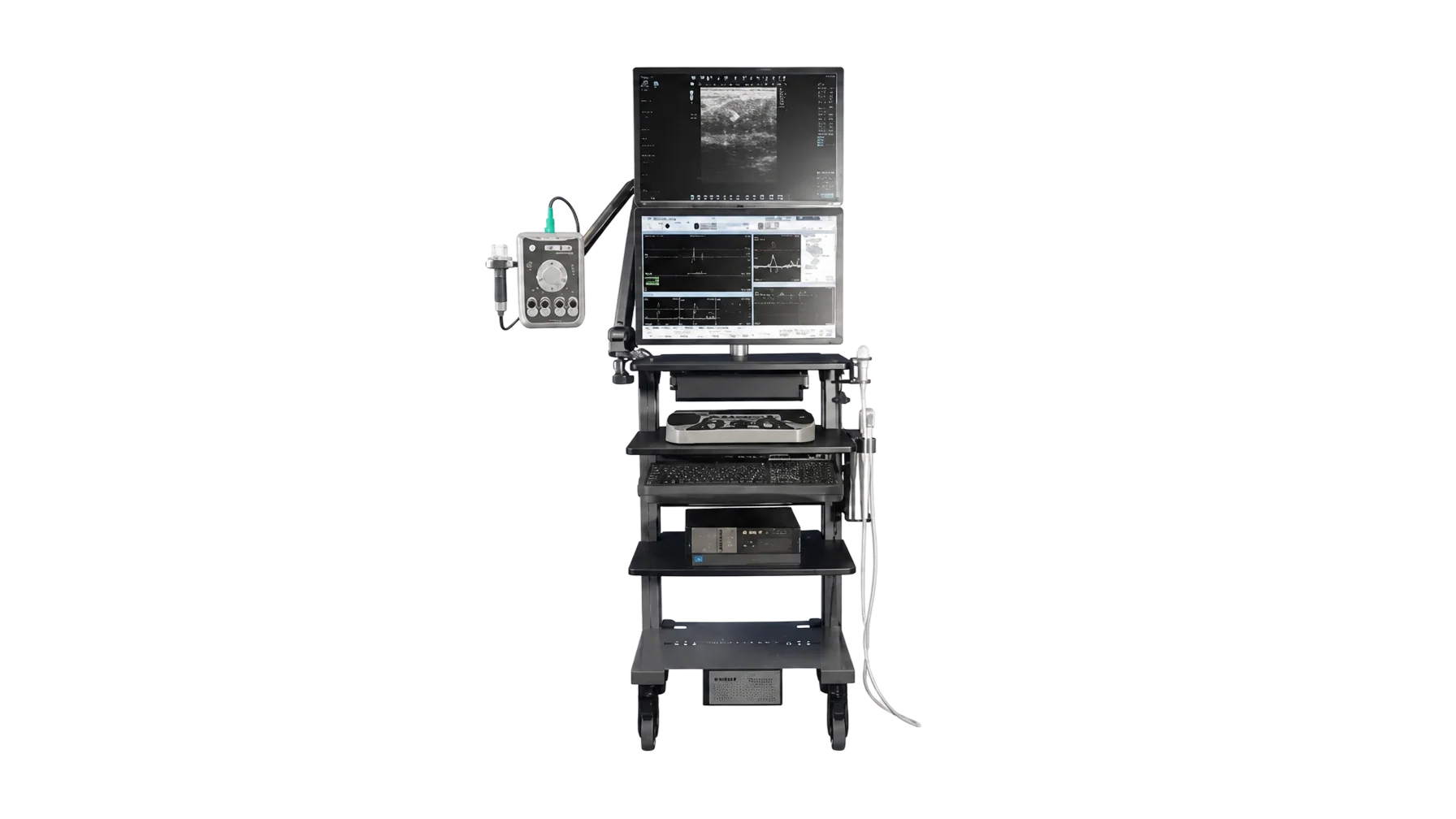
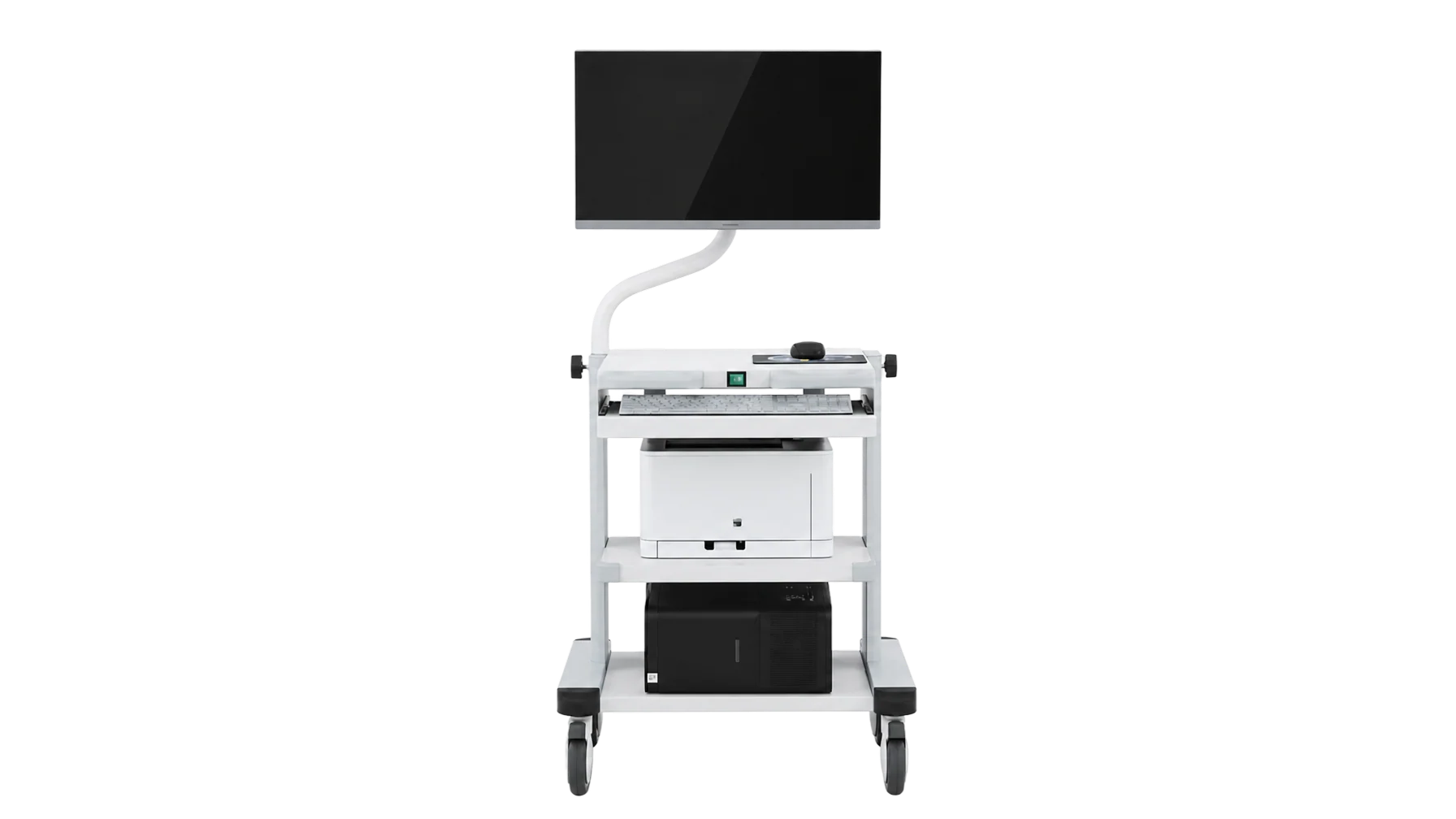
NCS / EMGNerve Conduction StudyNerves in the arms, legs, and face are safely stimulated electrically and the responses recorded, establishing whether peripheral nerve damage is present and how severe it is.
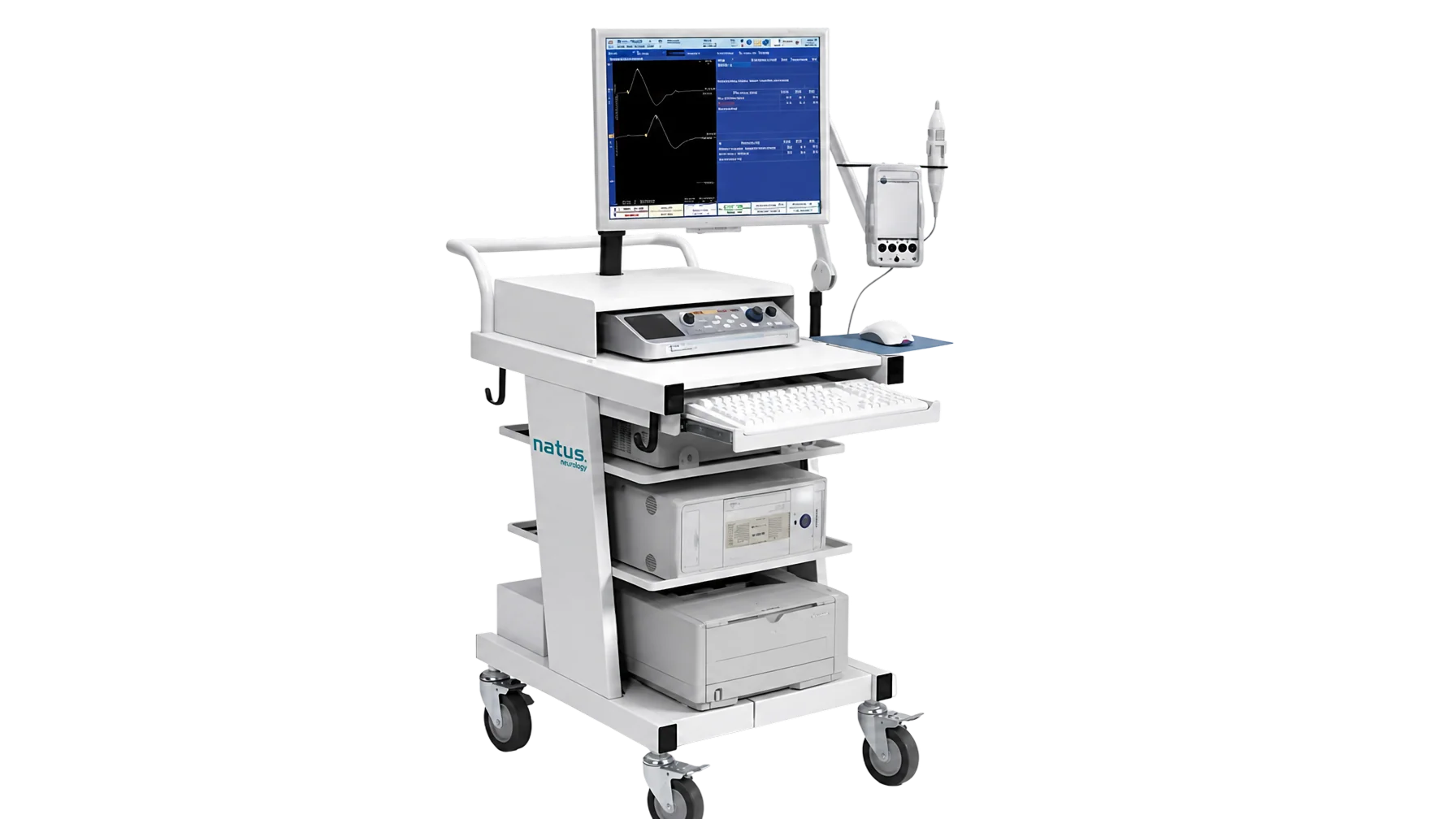
EPEvoked potential testBy safely stimulating the visual and auditory pathways electrically, damage to the cranial nerves can be identified.
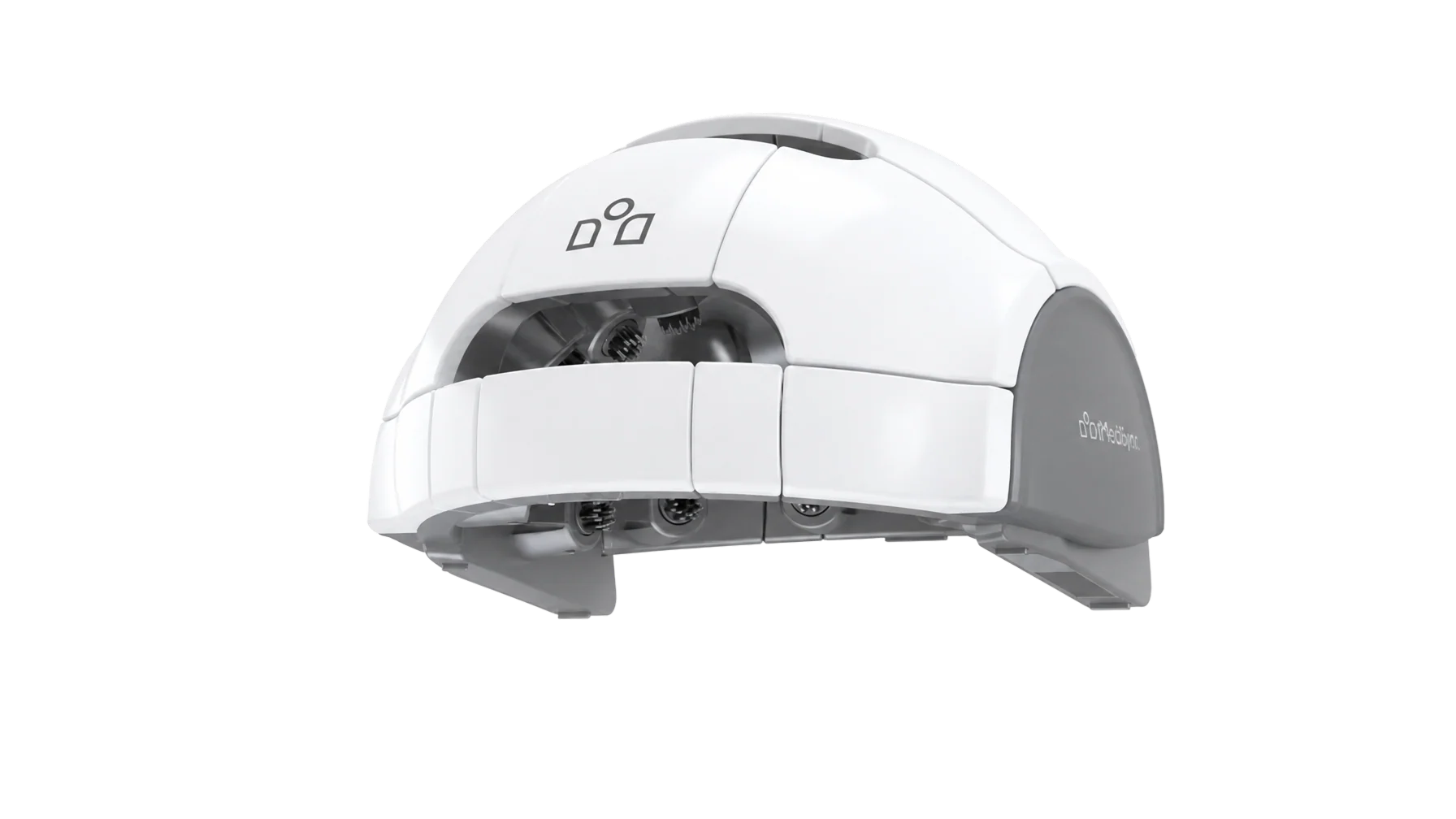
EEGAI digital EEGBeyond the conventional identification of epileptiform waveforms, quantitative EEG with the latest AI software aids in assessing brain function in headache, anxiety, and depression.
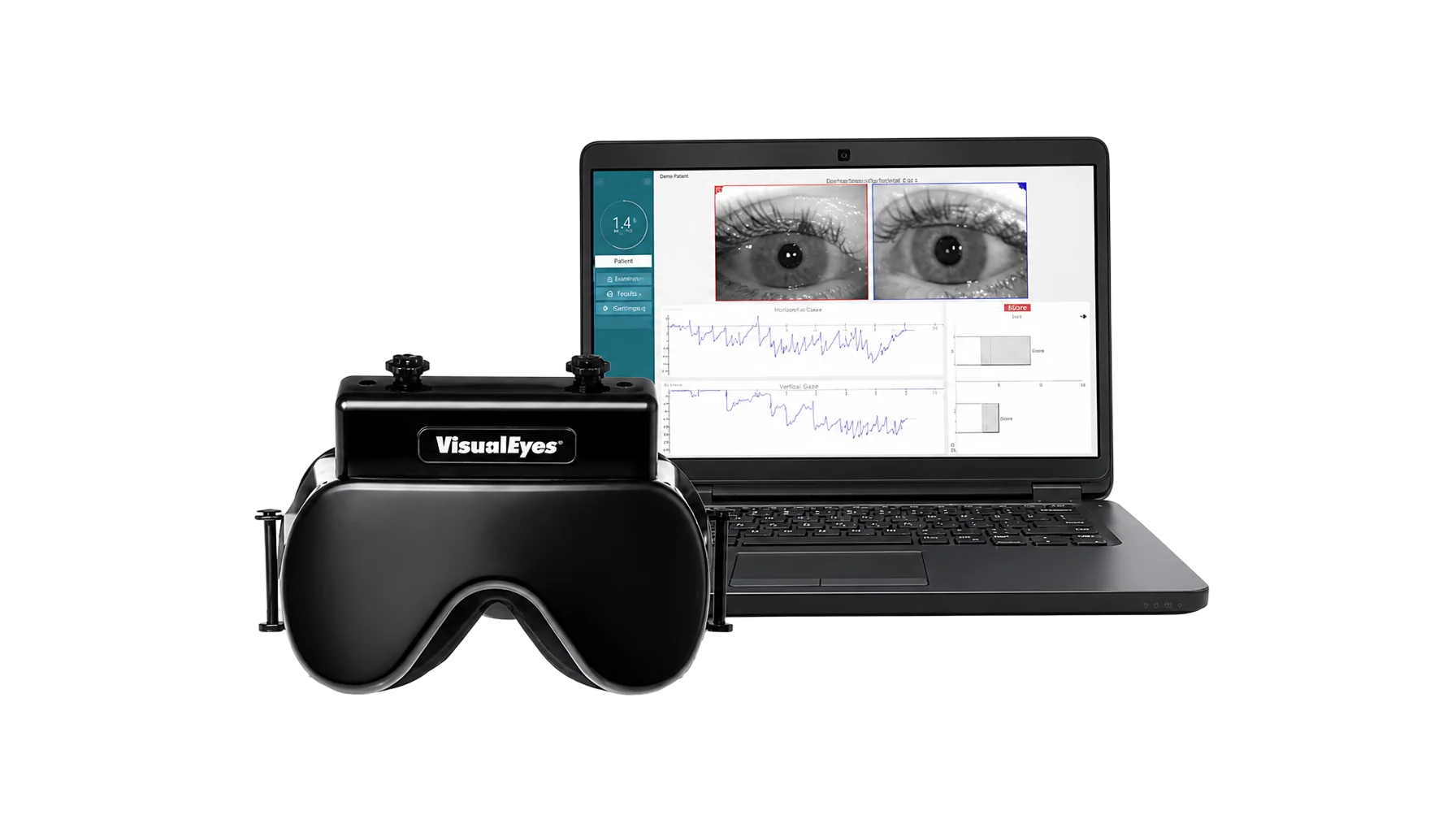
VNGVideo nystagmographyBy recording and analyzing involuntary eye movement on video, this test is useful for distinguishing dizziness disorders such as BPPV and Meniere's disease.
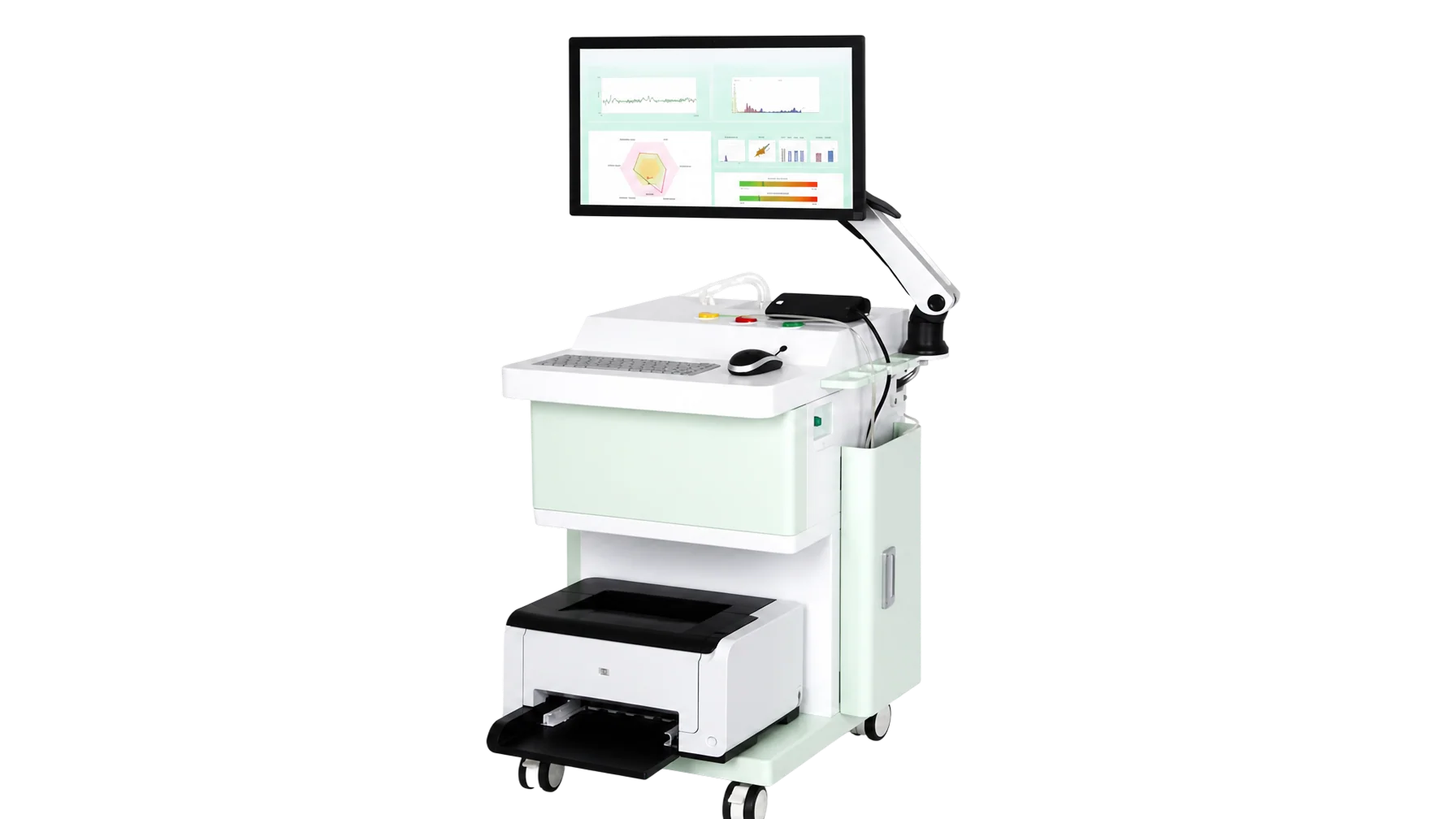
HRV / SSRAutonomic Function TestEquipment that objectively assesses the balance between the body's sympathetic and parasympathetic nerves.
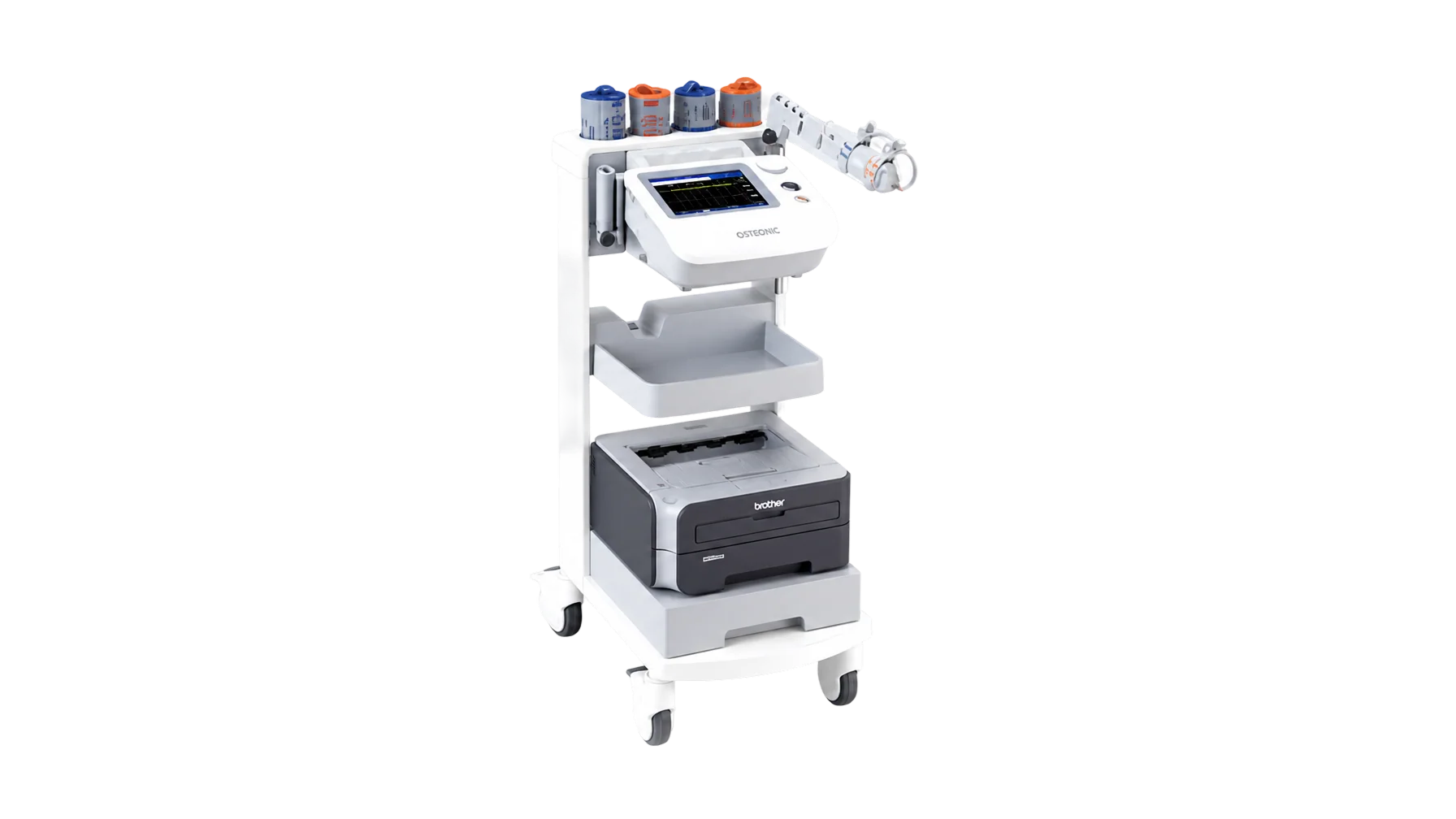
PWV / ABIArterial elasticity testingBy measuring vessel elasticity and the degree of atherosclerosis, it readily assesses the risk of circulatory disturbance and cardiovascular or cerebrovascular disease.
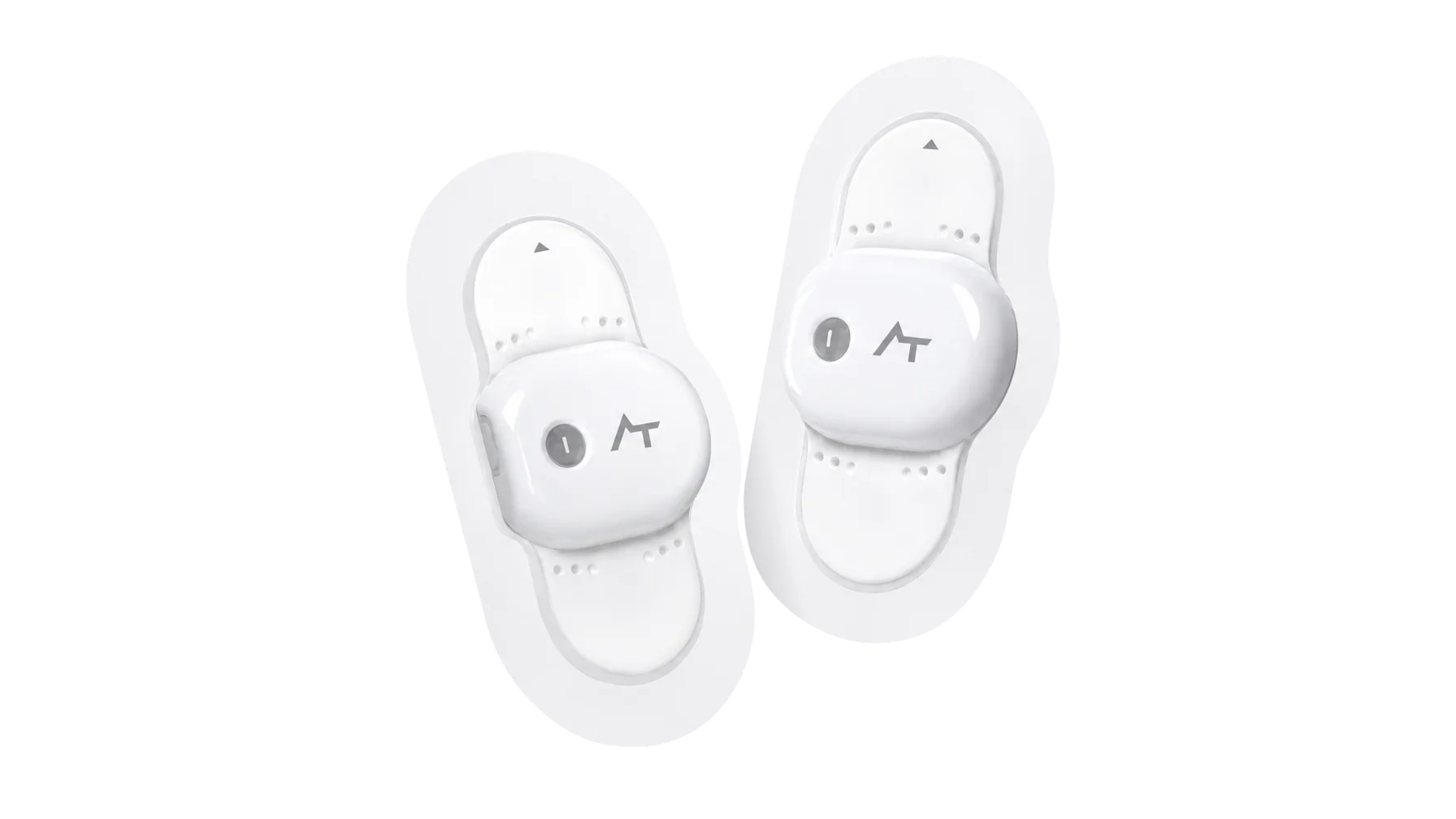
Wearable ECG/BPWearable cardiac function testingA micro-sensor continuously analyzes blood pressure and ECG over 24 hours to identify cardiac dysfunction capable of causing a stroke.
SNSB / CERADNeuropsychological testingIt distinguishes simple forgetfulness from dementia and objectively evaluates cognitive function including memory.
LABBlood and genetic testingWe identify risk factors for cardiovascular and cerebrovascular disease, including dyslipidemia, and look for high-risk dementia genes in advance so that prevention can begin.
SIEMENS3T AI MRIWe add AI imaging (Deep Resolve) to a proven Siemens 3T MRI to examine neurological conditions faster and more clearly.
MRABrain and carotid MRAIt accurately evaluates the degree of atherosclerosis, stenosis, structural abnormality, and the presence of aneurysm in the vessels of the brain and neck.
Carotid USCarotid UltrasoundCarotid wall thickness and plaque are examined to assess stroke risk.
NCS / EMGNerve Conduction StudyNerves in the arms, legs, and face are safely stimulated electrically and the responses recorded, establishing whether peripheral nerve damage is present and how severe it is.
EPEvoked potential testBy safely stimulating the visual and auditory pathways electrically, damage to the cranial nerves can be identified.
EEGAI digital EEGBeyond the conventional identification of epileptiform waveforms, quantitative EEG with the latest AI software aids in assessing brain function in headache, anxiety, and depression.
VNGVideo nystagmographyBy recording and analyzing involuntary eye movement on video, this test is useful for distinguishing dizziness disorders such as BPPV and Meniere's disease.
HRV / SSRAutonomic Function TestEquipment that objectively assesses the balance between the body's sympathetic and parasympathetic nerves.
PWV / ABIArterial elasticity testingBy measuring vessel elasticity and the degree of atherosclerosis, it readily assesses the risk of circulatory disturbance and cardiovascular or cerebrovascular disease.
Wearable ECG/BPWearable cardiac function testingA micro-sensor continuously analyzes blood pressure and ECG over 24 hours to identify cardiac dysfunction capable of causing a stroke.
SNSB / CERADNeuropsychological testingIt distinguishes simple forgetfulness from dementia and objectively evaluates cognitive function including memory.
LABBlood and genetic testingWe identify risk factors for cardiovascular and cerebrovascular disease, including dyslipidemia, and look for high-risk dementia genes in advance so that prevention can begin.