Carotid Artery Stenosis
What is atherosclerosis?
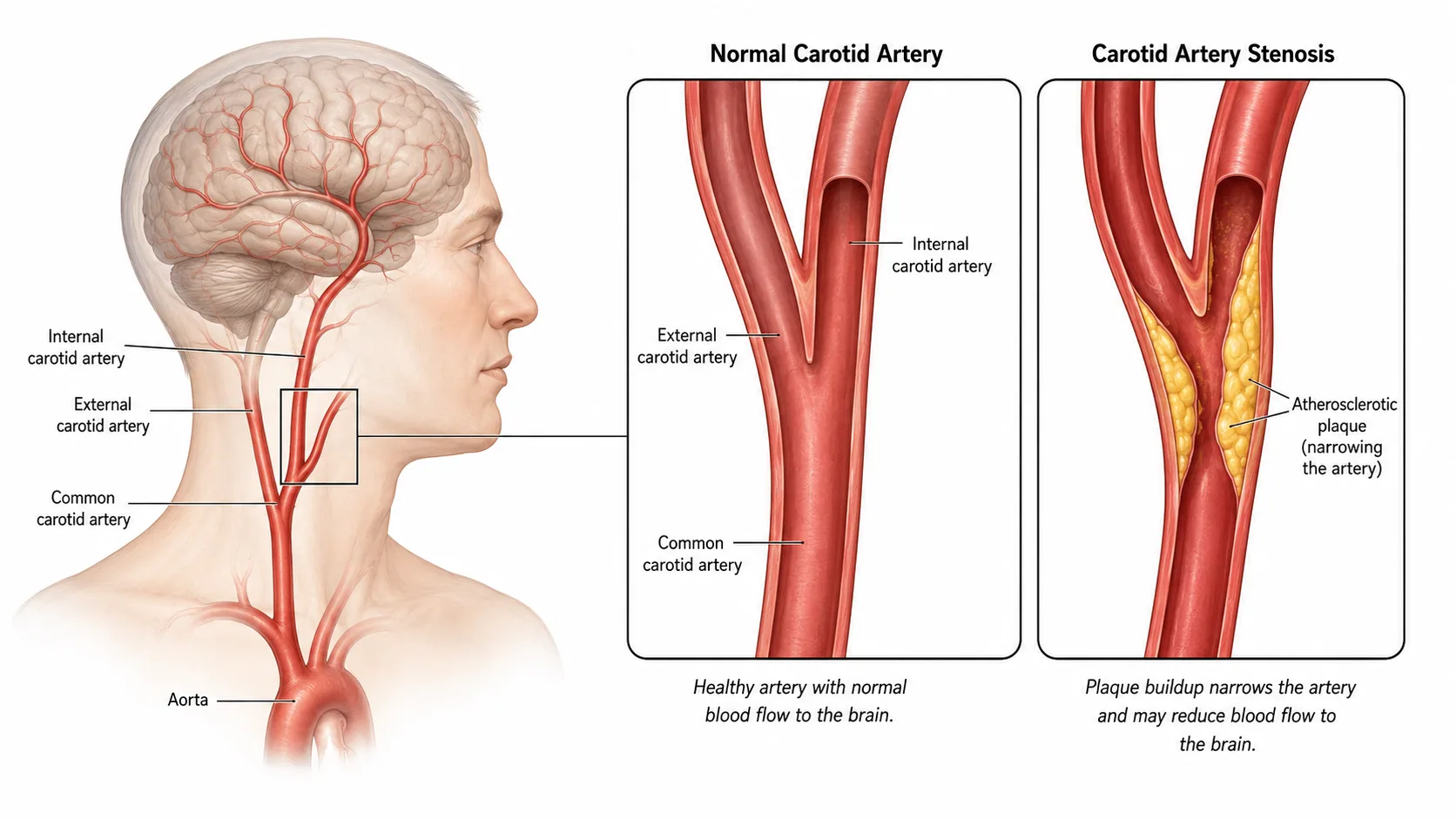
Atherosclerosis is the hardening and narrowing of vessels as plaque accumulates in the vessel wall, and it is the single most important cause of cerebral and myocardial infarction. Hypertension, diabetes, dyslipidemia, smoking, and obesity are the risk factors, and because it usually causes no symptoms, early diagnosis and prevention matter.
Carotid stenosis is an early marker of atherosclerosis
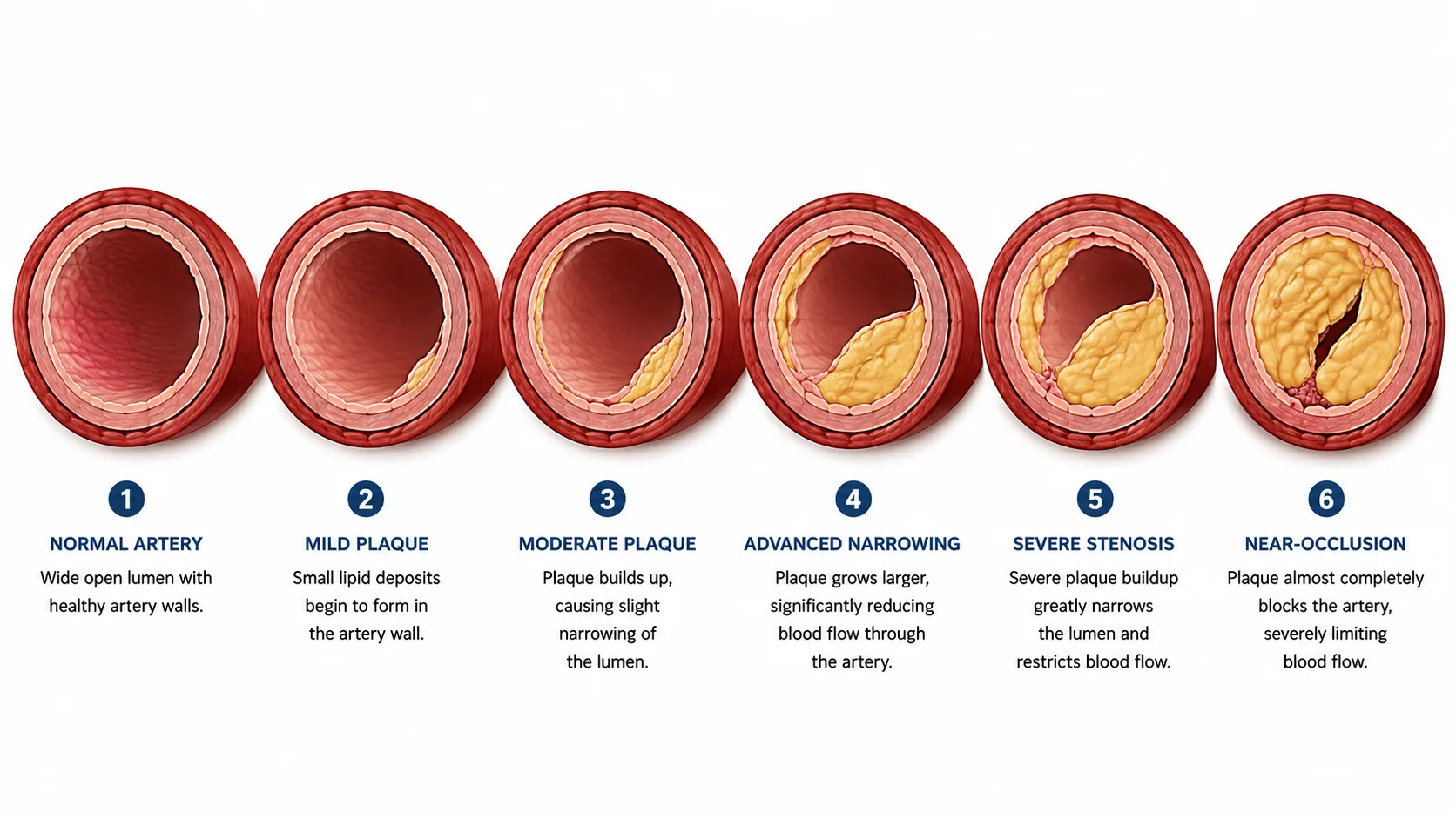
Carotid stenosis is a narrowing of the lumen of the carotid artery, which supplies blood to the brain. As cholesterol and inflammatory cells accumulate in the vessel wall to form plaque, the artery gradually narrows; in severe cases blood flow falls sharply, or the plaque ruptures and causes a cerebral infarction.
Carotid intima-media thickness is
a representative marker reflecting the early changes of atherosclerosis
| Presence of atherosclerosis | Increased thickness suggests at minimum the presence of early atherosclerosis, and may reflect the degree of atherosclerosis throughout the body |
|---|---|
| Early detection in the asymptomatic phase | Changes are detectable even before plaque forms, making it highly useful for early detection during the asymptomatic phase |
| Associated with risk | Associated with the risk of myocardial infarction and stroke |
Testing recommendation criteria
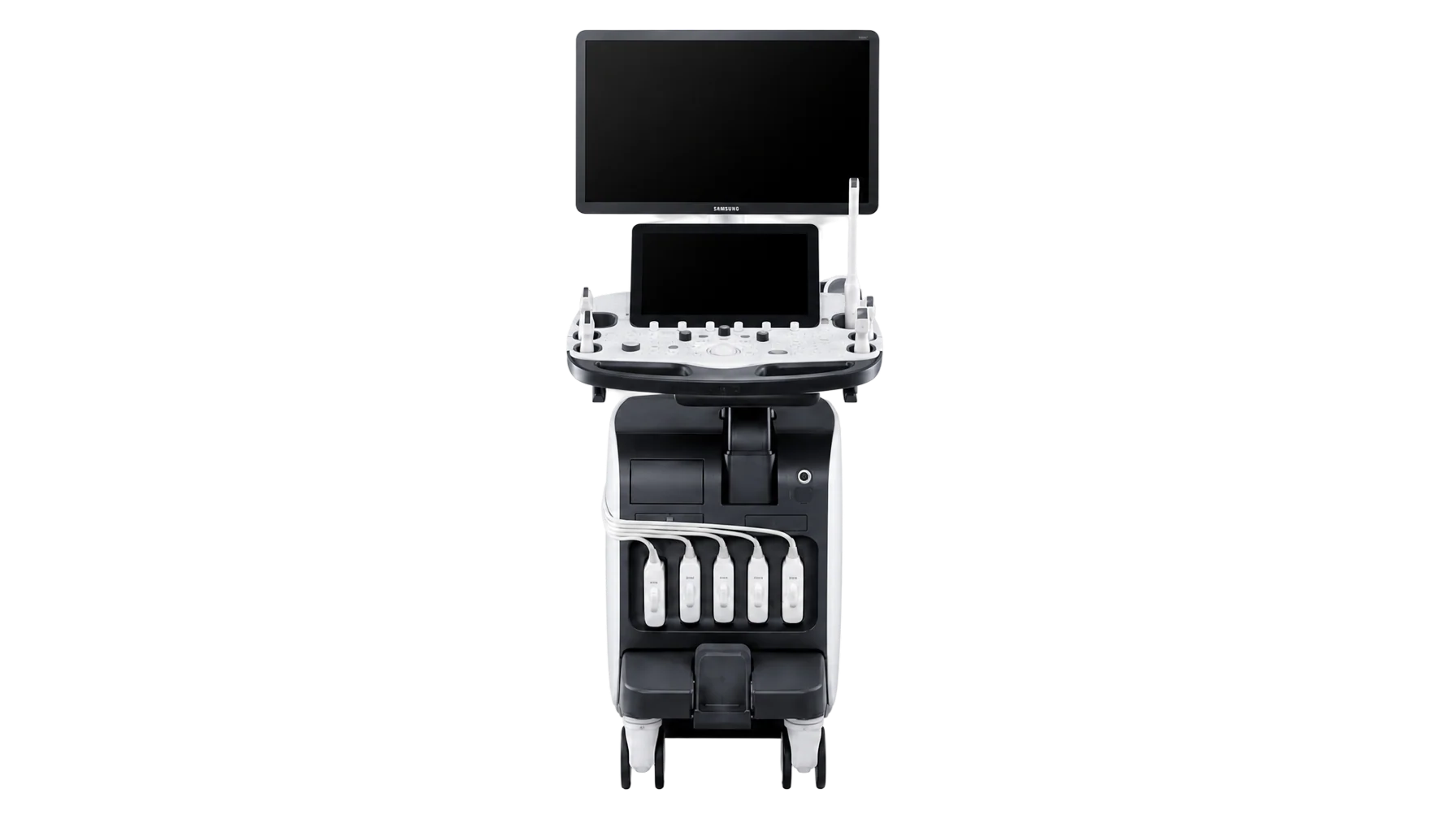
| Healthy individuals over 40 | Carotid ultrasound is advisable |
|---|---|
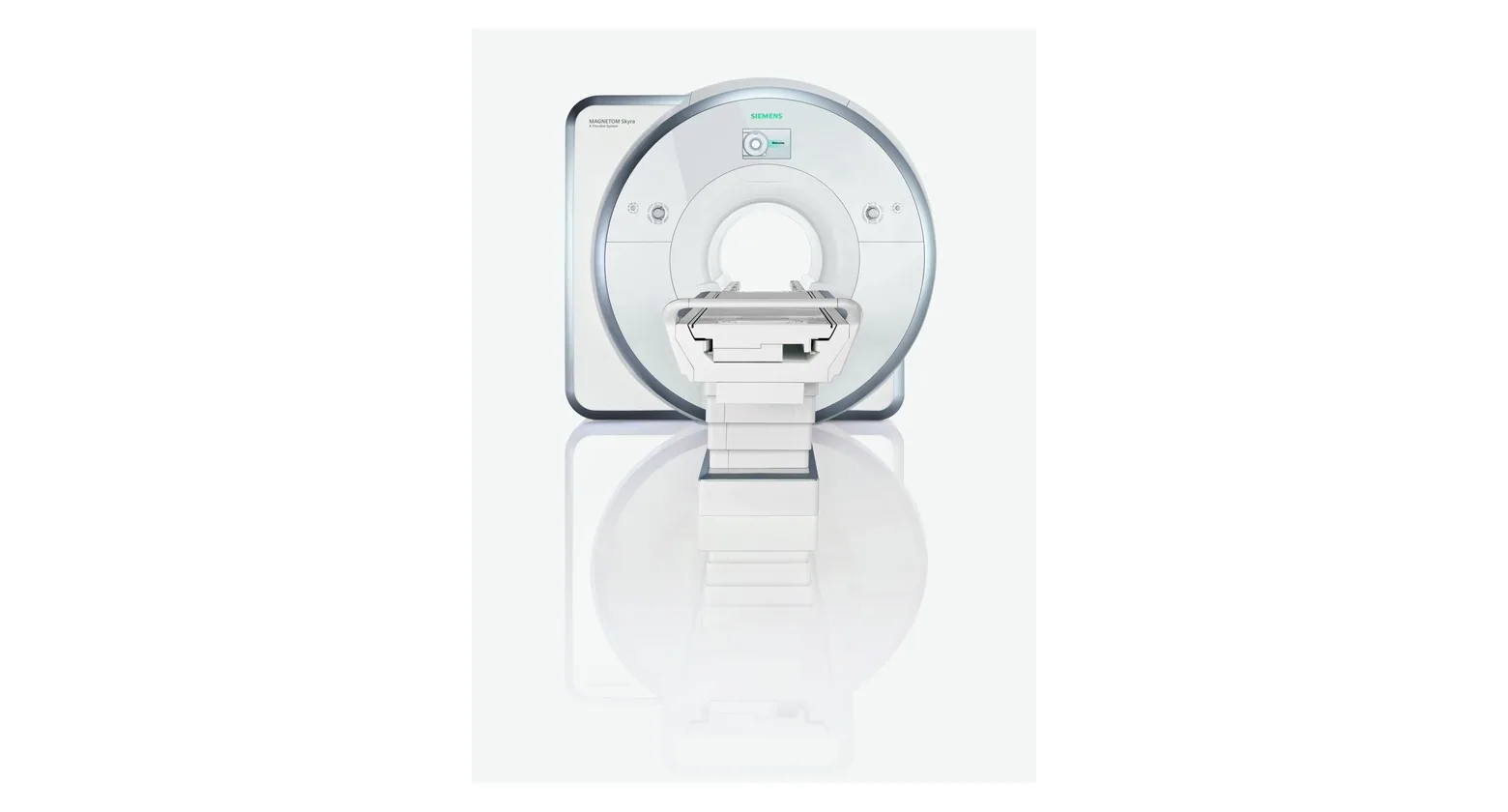
| Those over 50 · those with risk factors for atherosclerosis | We recommend cerebrovascular and carotid MRA first |
※ This is general medical information provided for understanding only. Actual diagnosis and treatment are determined by a specialist after examination, based on the individual patient's condition.