한국어English简体中文

Equipment

Advanced Equipment

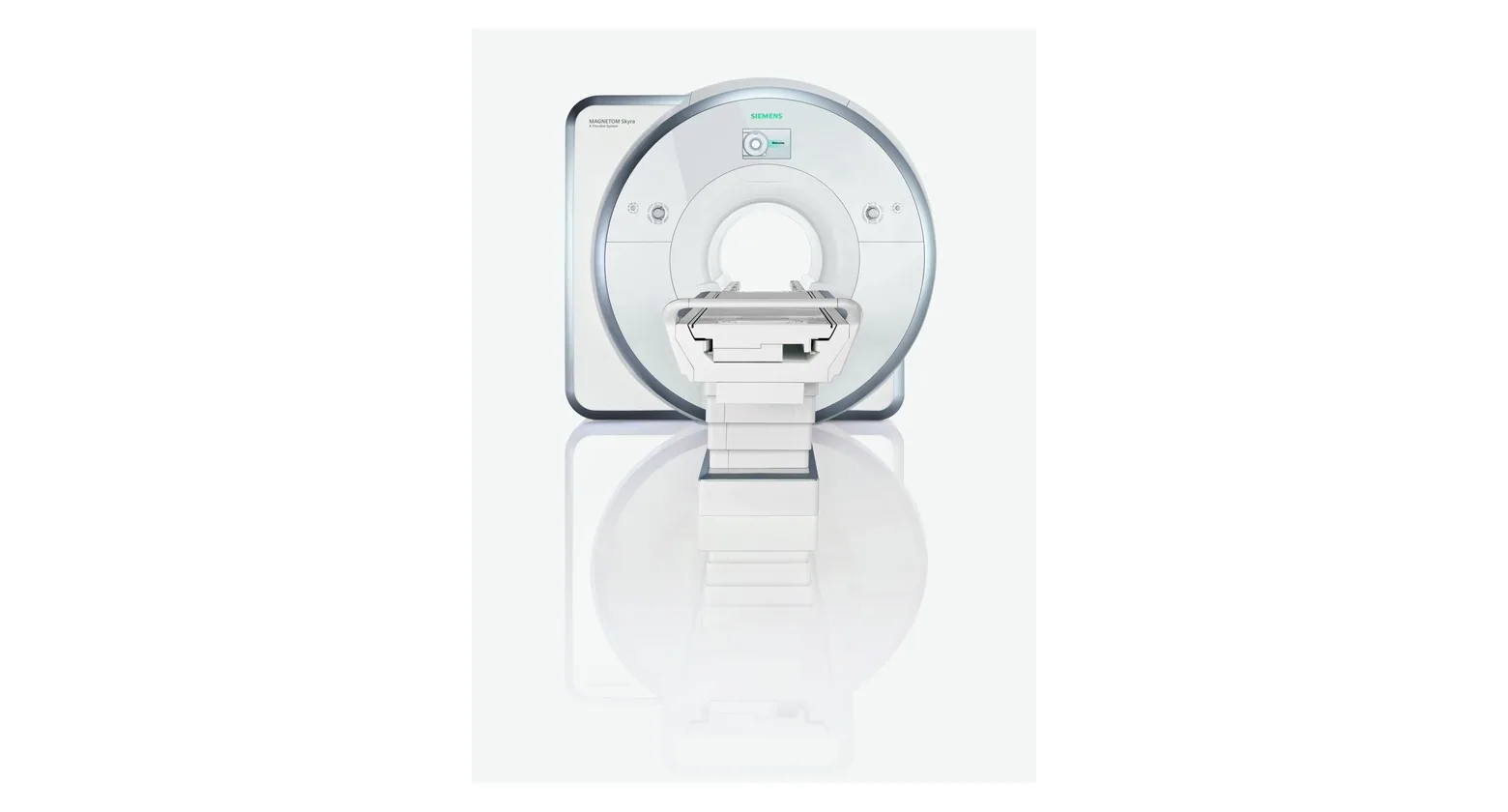
  • SIEMENS3T AI MRIWe add AI imaging (Deep Resolve) to a proven Siemens 3T MRI to examine neurological conditions faster and more clearly.
  • MRABrain and carotid MRAIt accurately evaluates the degree of atherosclerosis, stenosis, structural abnormality, and the presence of aneurysm in the vessels of the brain and neck.
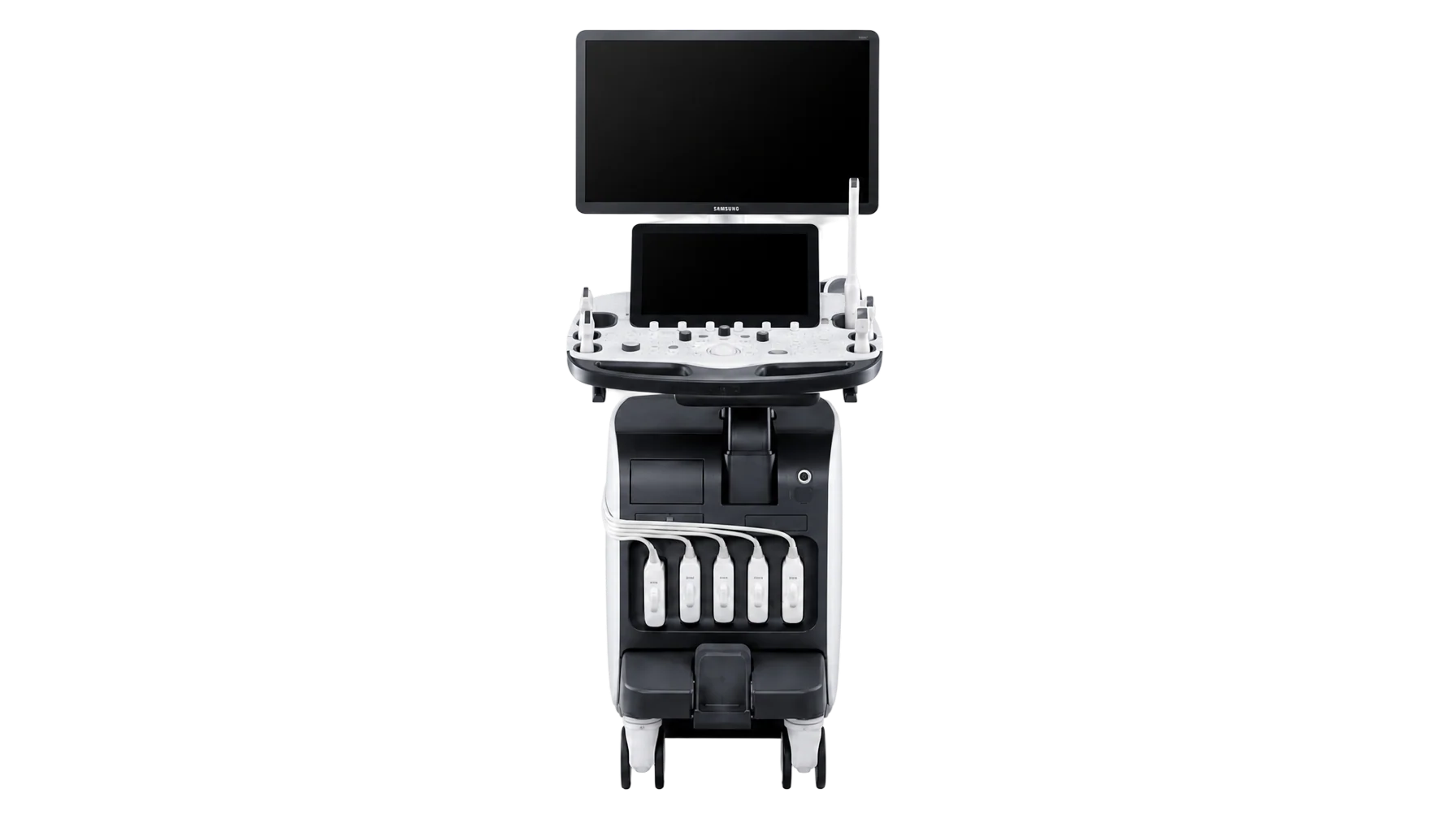
  • Carotid USCarotid UltrasoundCarotid wall thickness and plaque are examined to assess stroke risk.
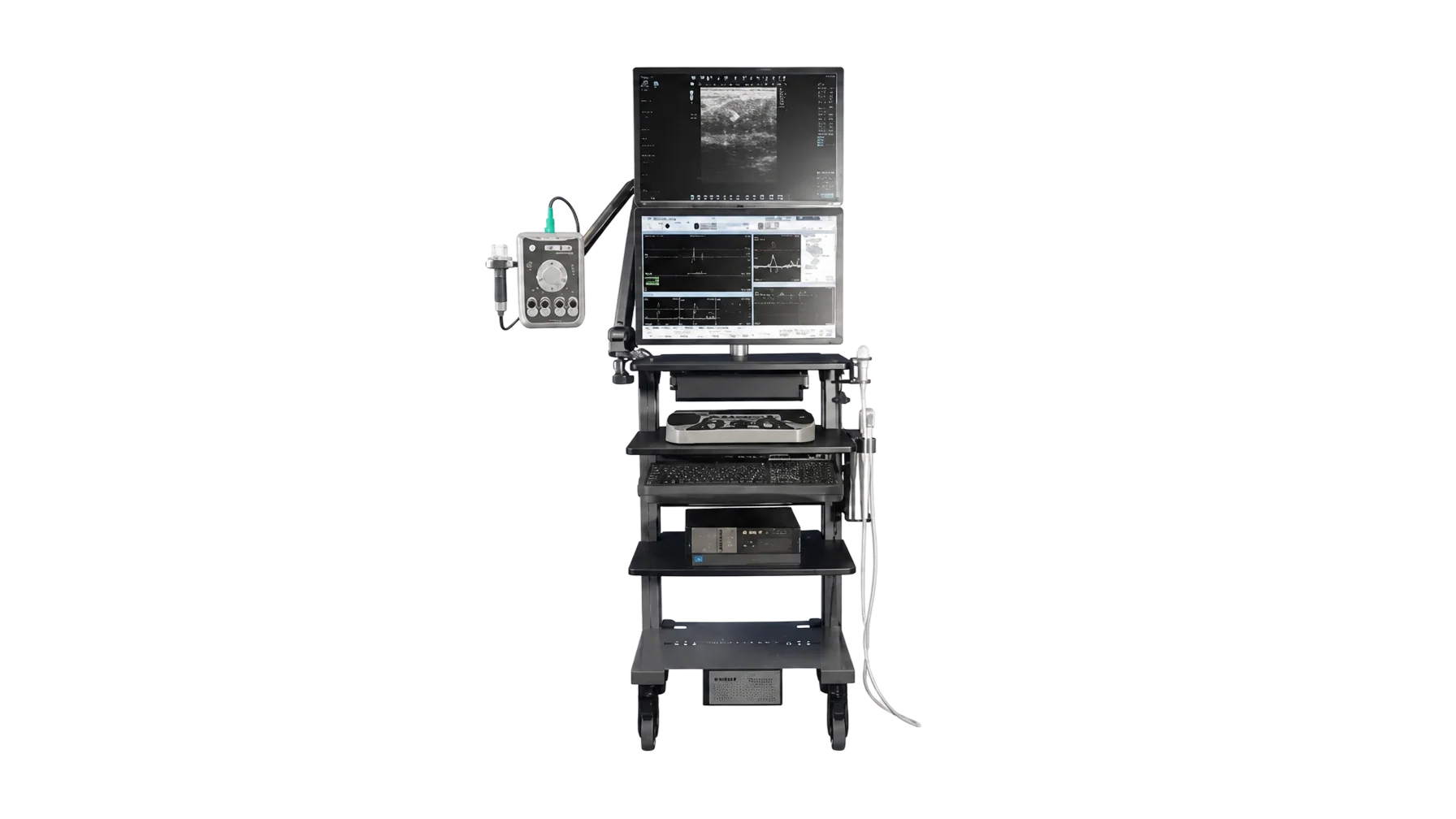
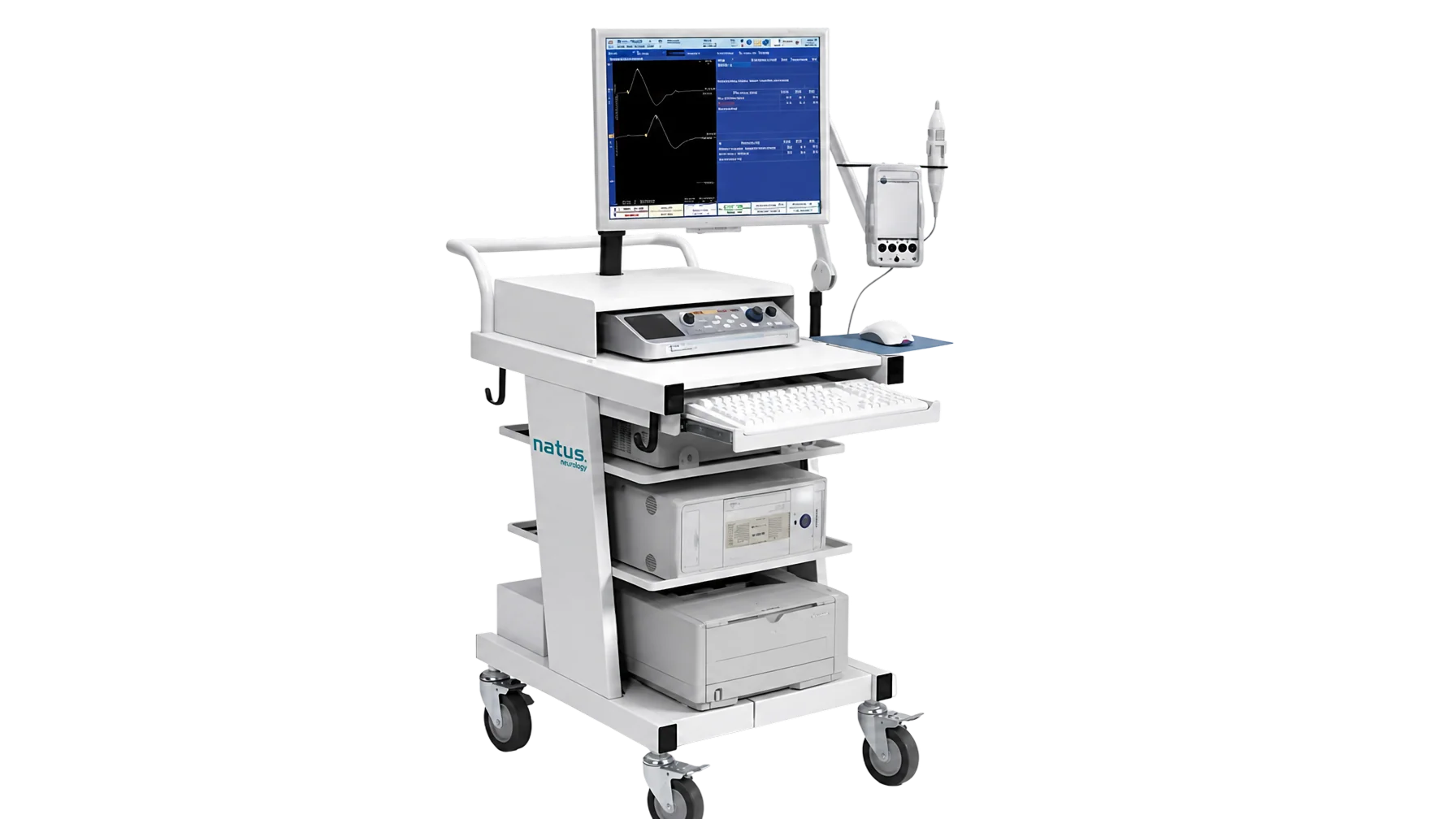
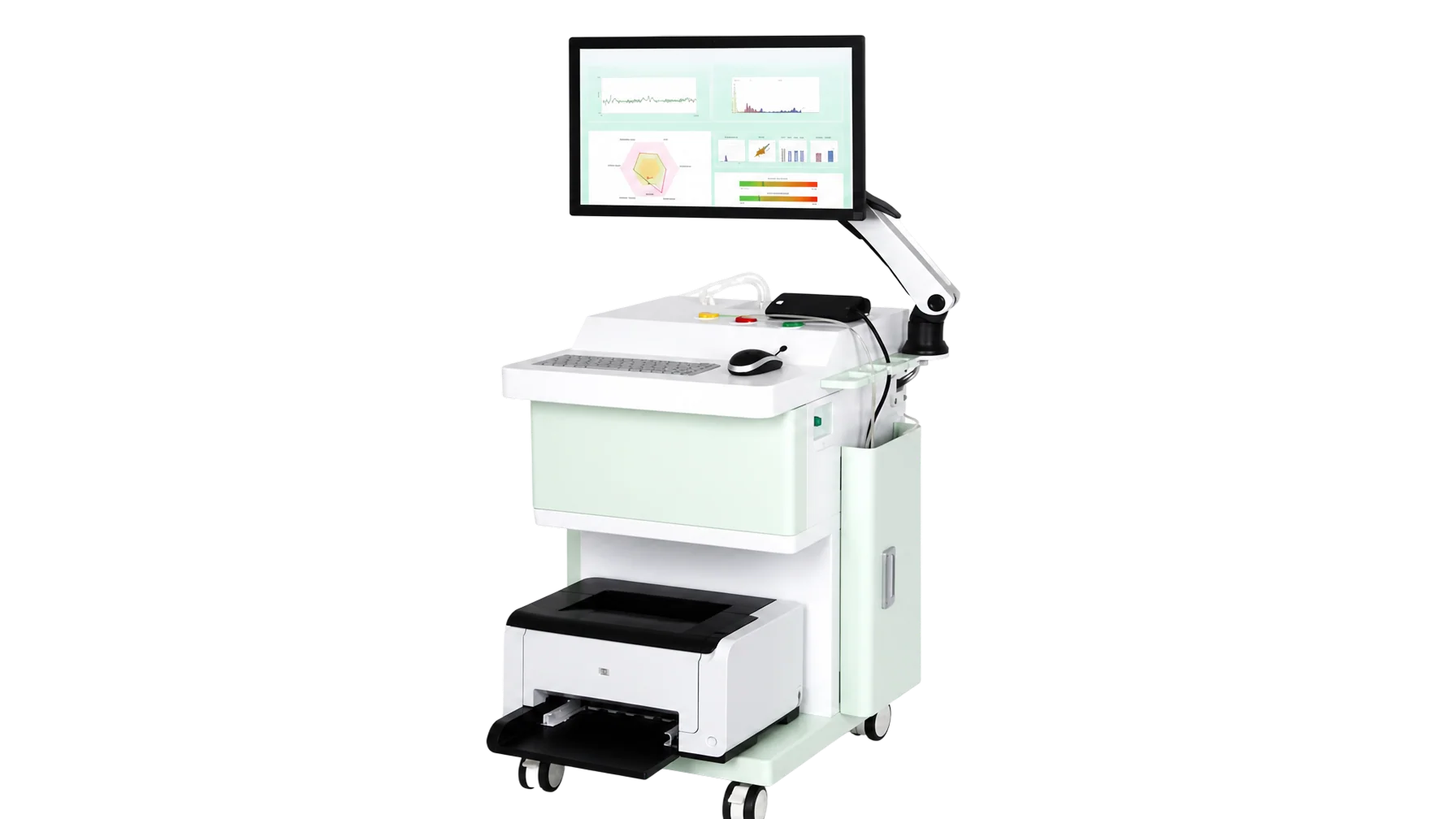
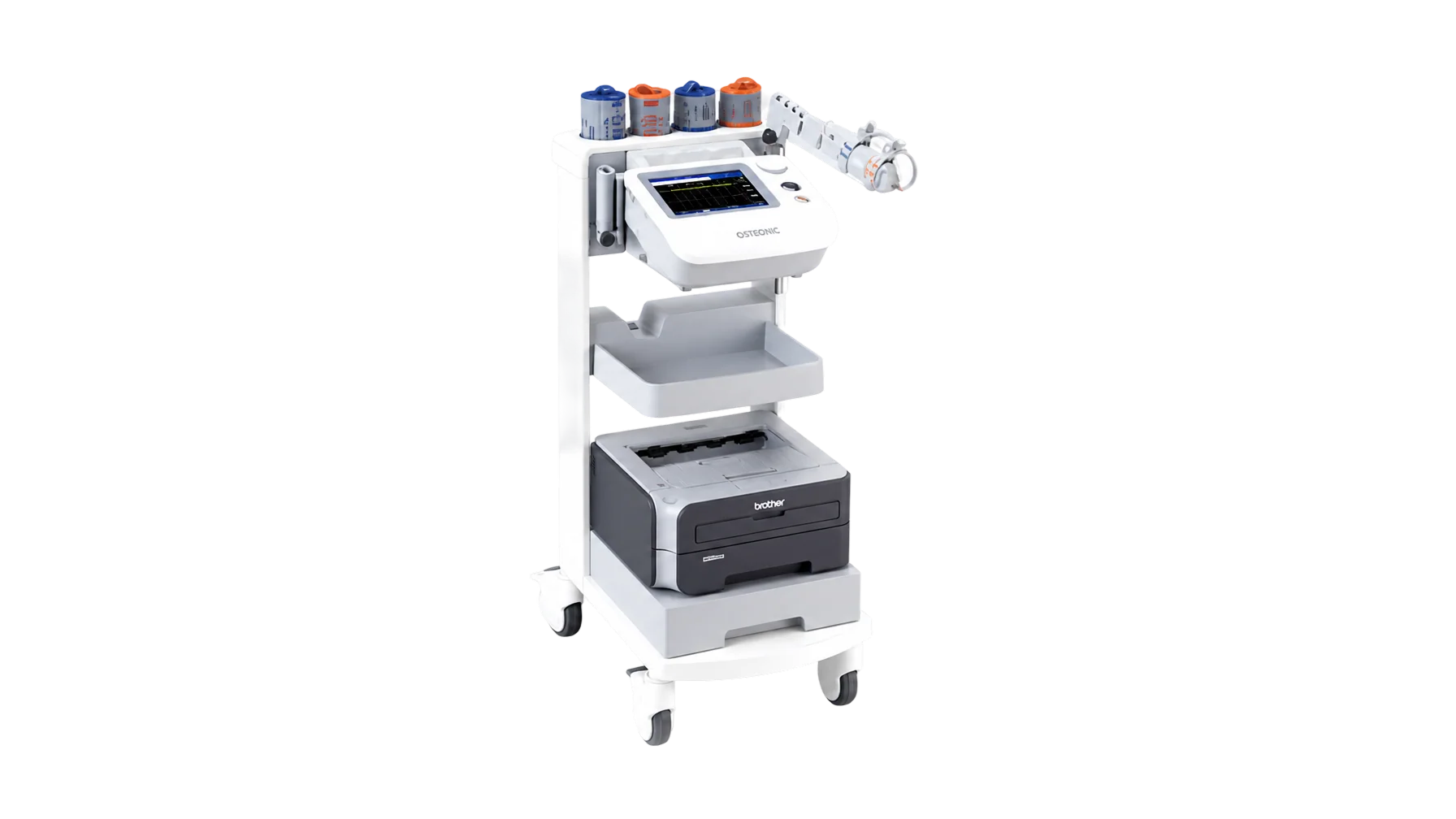
  • NCS / EMGNerve Conduction StudyNerves in the arms, legs, and face are safely stimulated electrically and the responses recorded, establishing whether peripheral nerve damage is present and how severe it is.
  • EPEvoked potential testBy safely stimulating the visual and auditory pathways electrically, damage to the cranial nerves can be identified.
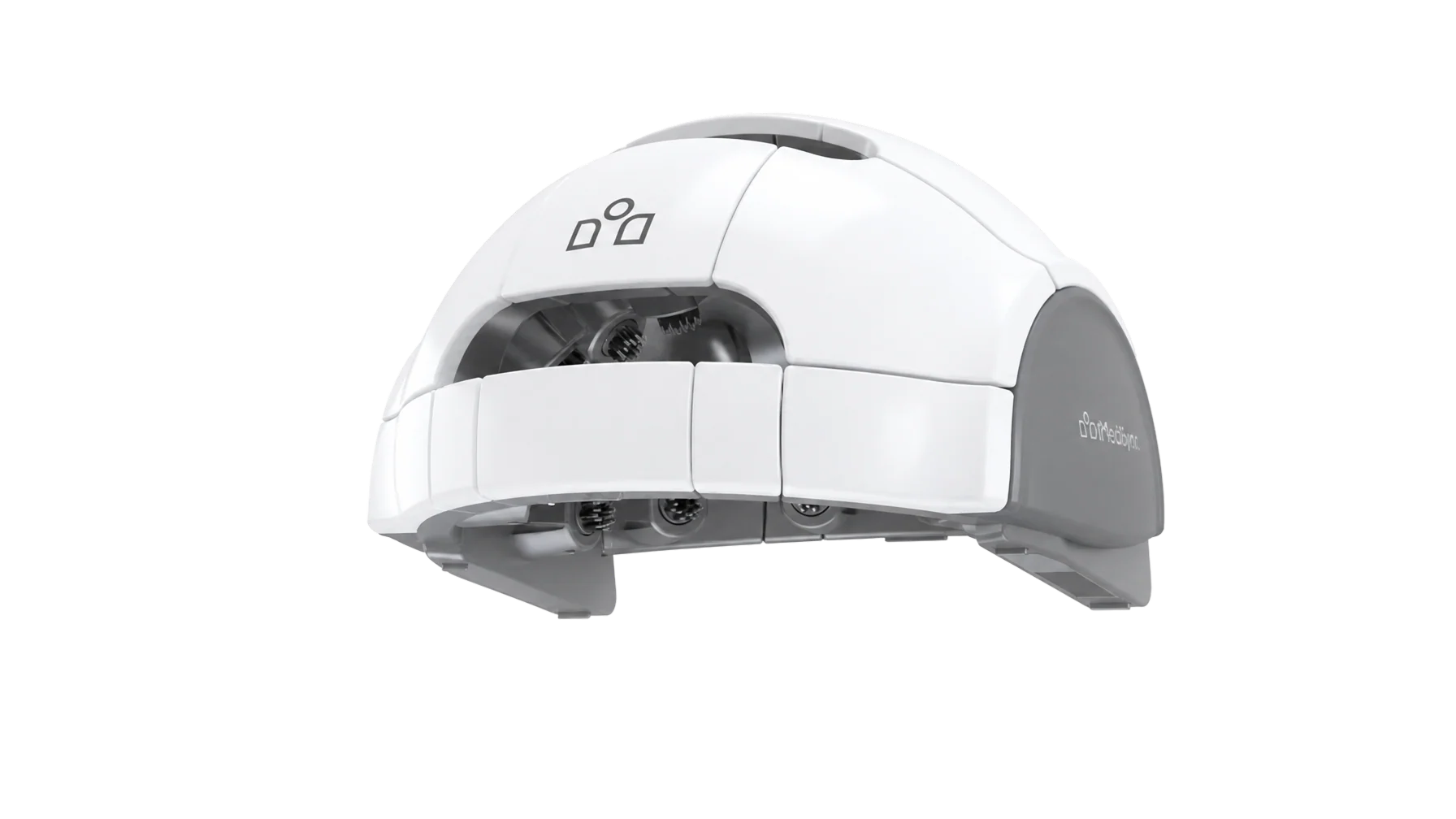
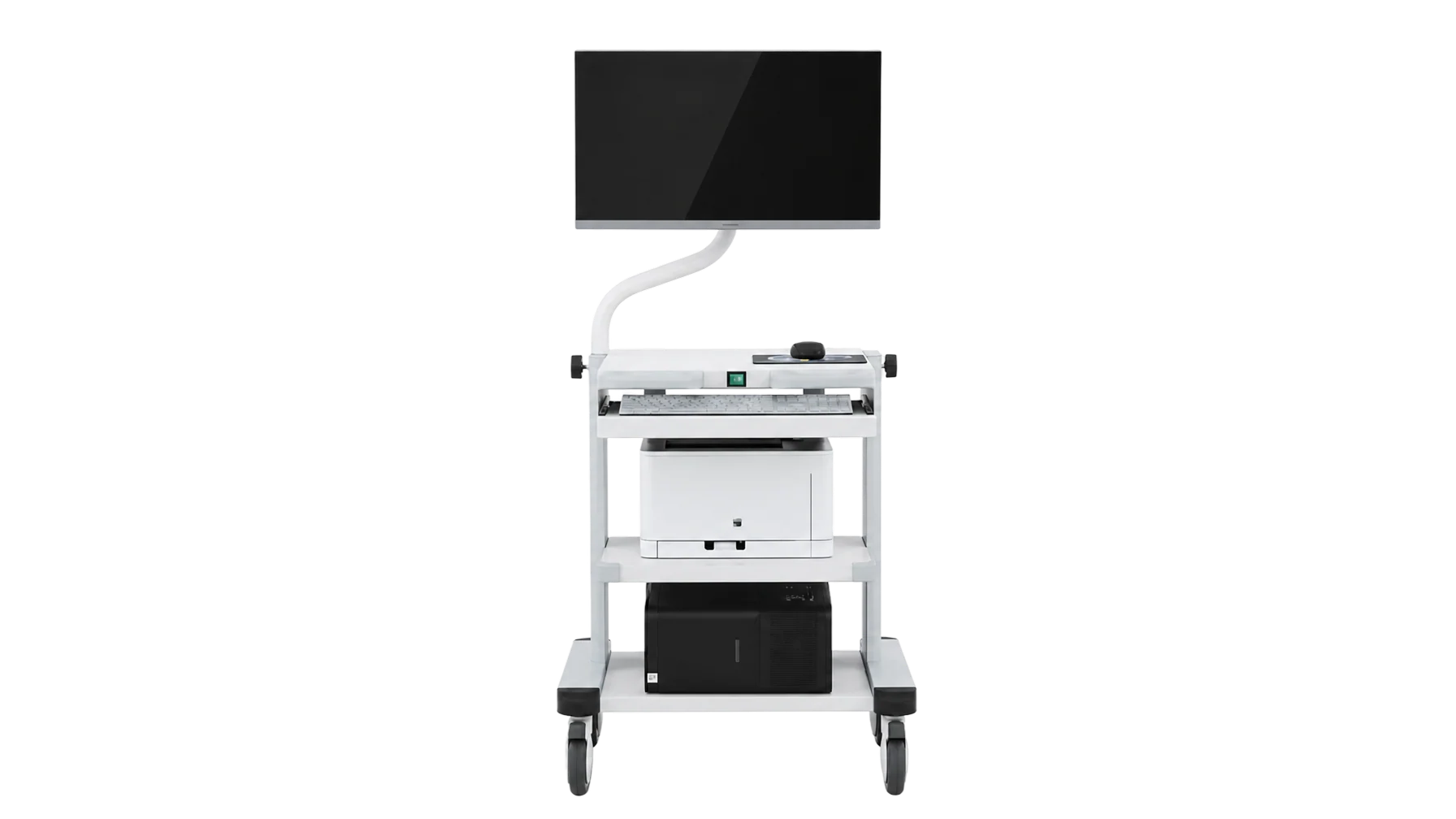
  • EEGAI digital EEGBeyond the conventional identification of epileptiform waveforms, quantitative EEG with the latest AI software aids in assessing brain function in headache, anxiety, and depression.
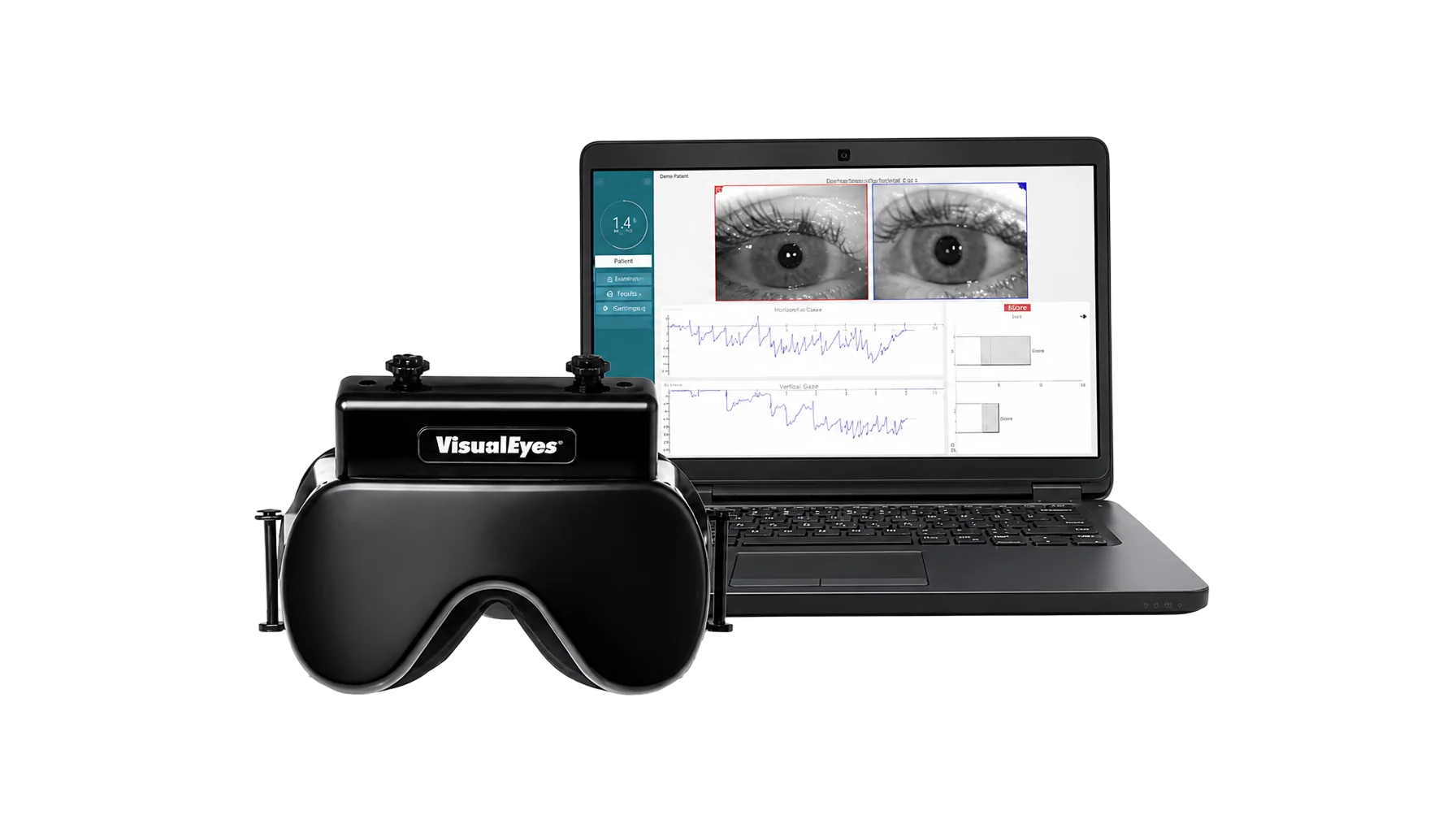
  • VNGVideo nystagmographyBy recording and analyzing involuntary eye movement on video, this test is useful for distinguishing dizziness disorders such as BPPV and Meniere's disease.
  • HRV / SSRAutonomic Function TestEquipment that objectively assesses the balance between the body's sympathetic and parasympathetic nerves.
  • PWV / ABIArterial elasticity testingBy measuring vessel elasticity and the degree of atherosclerosis, it readily assesses the risk of circulatory disturbance and cardiovascular or cerebrovascular disease.
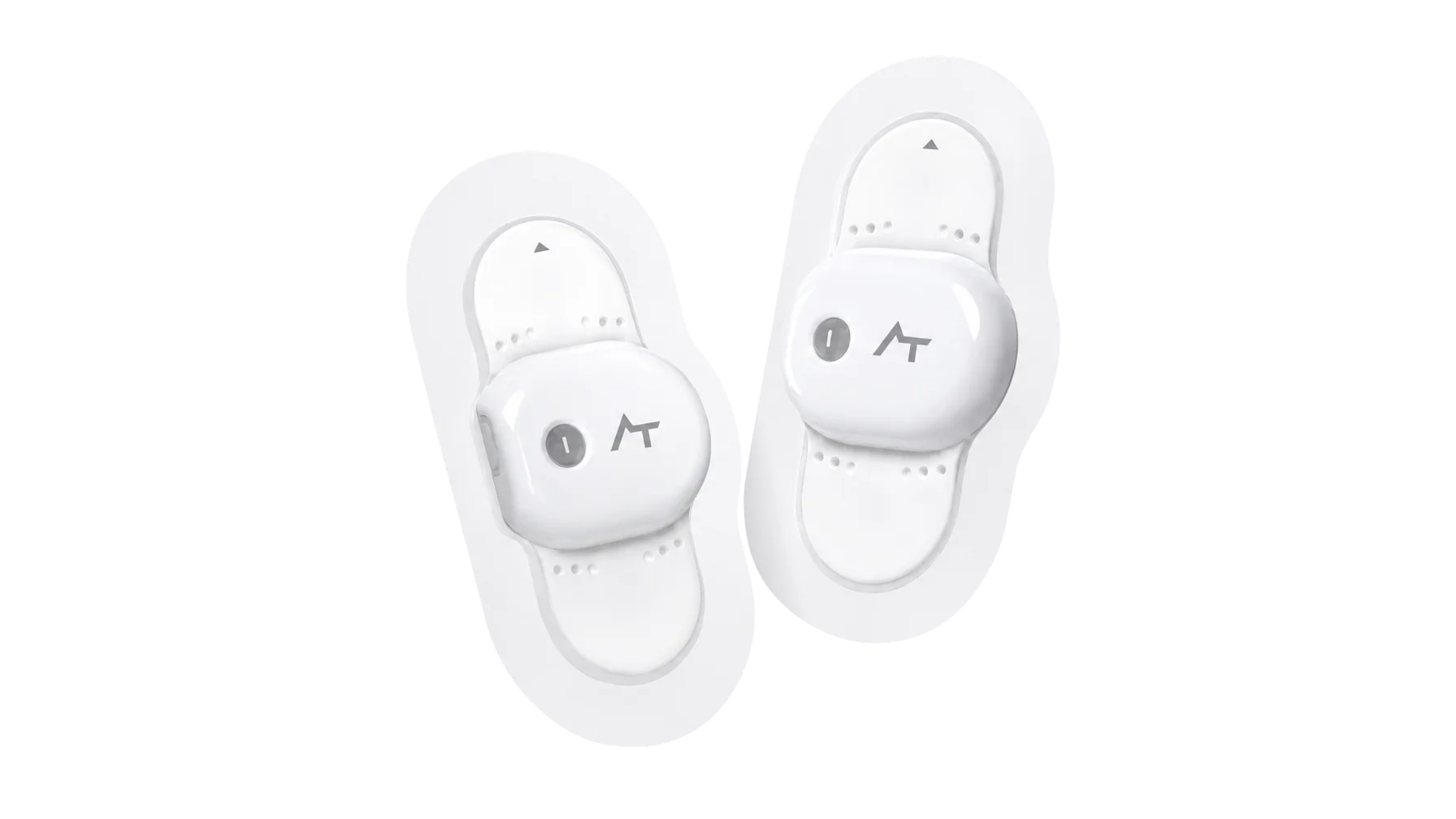
  • Wearable ECG/BPWearable cardiac function testingA micro-sensor continuously analyzes blood pressure and ECG over 24 hours to identify cardiac dysfunction capable of causing a stroke.
  • SNSB / CERADNeuropsychological testingIt distinguishes simple forgetfulness from dementia and objectively evaluates cognitive function including memory.
  • LABBlood and genetic testingWe identify risk factors for cardiovascular and cerebrovascular disease, including dyslipidemia, and look for high-risk dementia genes in advance so that prevention can begin.

Nerve conduction studyAbout

What kind of test is it?

A small electrical stimulus is applied to the arm or leg, and the resulting activity in nerve or muscle is recorded and the waveform analyzed. The recorded waveform reveals nerve latency, amplitude, and conduction velocity, and Spinal and peripheral nerve disorders — diagnoses facial palsy, trigeminal nerve disorders, carpal tunnel syndrome, and peripheral neuropathy (for example, diabetic peripheral neuropathy).

What areas are examined?

Testing can be performed on a variety of nerves, but the median, ulnar, and radial nerves are examined in the upper limb, and the peroneal, tibial, and sural nerves in the lower limb. A tingling sensation may be felt at the test site, and The expected duration is 30 minutes to 1 hour is the approximate time required, though it may change depending on how the examination proceeds.

Booking & Directions

Our consultation hours and directions.

Consultation Hours

Weekdays
09:00 - 18:00
Lunch Break
13:00 - 14:00
Saturday
09:00 - 13:00
Sundays & Public Holidays
Closed

Directions

6F, M Tower, 554 Siheung-daero, Gwanak-gu, Seoul

Mechanical parking at the rear of the building · Complimentary valet parking

What sets Centum Neurology apart

For brain and spine conditions, an accurate assessmentdetermines the outcome.

  • 01Two board-certified neurologists with 20 years of experienceThe experience of a general-hospital cerebrovascular and dementia center director, brought here
  • 02From testing to results, all in one dayPatient-centered testing without delay, and only the treatment you actually need
  • 03Brain, spine, and joints — 3T AI MRI scanned the same dayWe have installed the latest equipment for rapid assessment of brain disease
  • 04Evidence-based, up-to-date treatmentAdvanced neurological treatments once available only at university hospitals — now close to home